Nothing in the store matches . Try a shorter or broader term.
Spec with the real material
Five curated sets covering every programme we represent — kitchens, closets, bath, interior doors, and DND handle finishes. Each set is packaged for the design table, labelled by finish code, and matched to the current Aster, Kico, RAB, and DND catalogs.
Aster Sample Set
Curated laminates, matt and glossy lacquers, Fenix, Officina metals, and selected wood veneers across all thirteen Aster collections — Moderno, Transitional, Tradizionale.
Kico Sample Set
Wardrobe and living-space finishes from Kico — melamine boards, lacquered fronts, glass inserts, and profile samples for walk-in closets, sliding doors, and bookcases.
RAB Sample Set
Vanity and laundry finishes across all seven RAB programmes — Soul Wood, 3puntoØ, Blend, Step, Euro Zecchino, Thai, and the Laundry line — in wood, lacquer, metal, and stone.
Interior Door Sample Set
Leaf-surface finishes across our interior door programmes — lacquered, veneered, and glass panel swatches with edge and reveal references. Sized to read in the door rail.
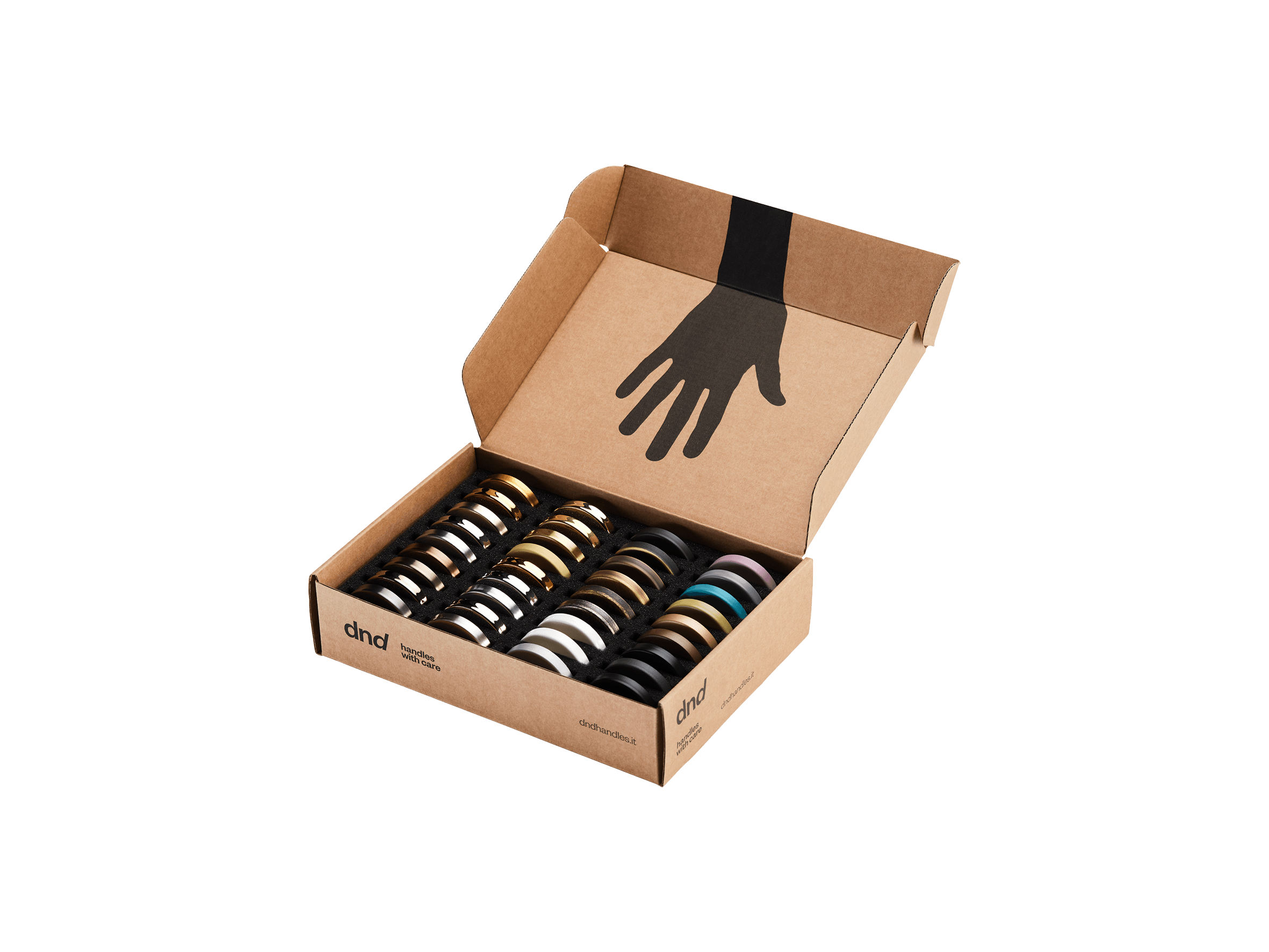
DND Finish Swatches
The full DND finish palette — polished, satin, and PVD brass, chrome, bronze, nickel, and copper — as physical metal swatches. The only way to match a handle to hinge, lock face, and cabinetry pull.
Every handle is a small piece of sculpture
110 handles from DND, the Italian atelier whose own words are "designer and classic quality handles" — including work by Stefano Boeri, Karim Rashid, Giulio Iacchetti (Good Design 2017 & Archiproducts 2024), Enrico Martini, Andrea Morgante, Marco Pisati, Mauro Ronchi, and DND's in-house studio. Every handle is available across DND's full finish palette. Click any handle for a configurator to try it in every finish.
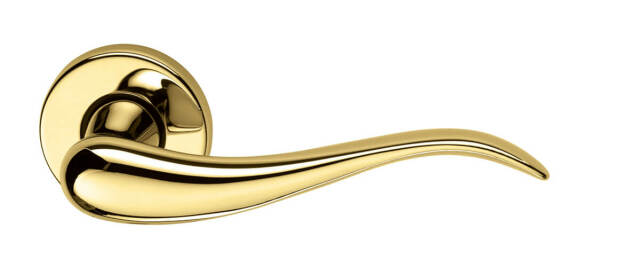
Airone
A slim cylindrical lever with a soft taper toward the tip. Solid brass in matte bronze, polished brass, and stainless.
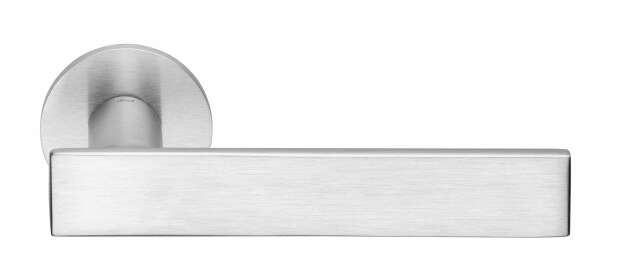
Anik
A bold rectangular grip with chamfered edges. Solid brass across DND's full PVD palette — sculptural on a minimalist door.
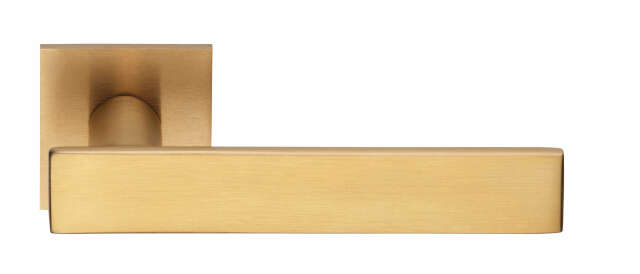
Anik 02
Square-rose variant of Anik.
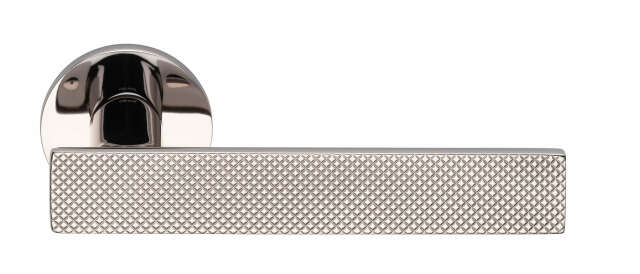
Anik Brilliant
Polished version of Anik.
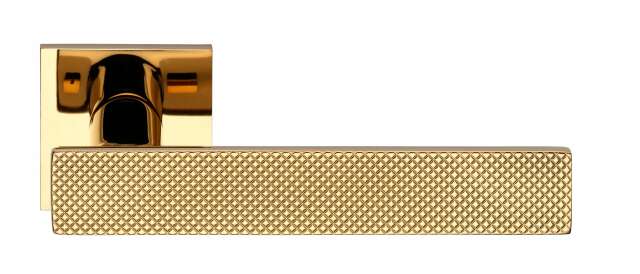
Anik Brilliant 02
Polished Anik on a fine-square rosette.
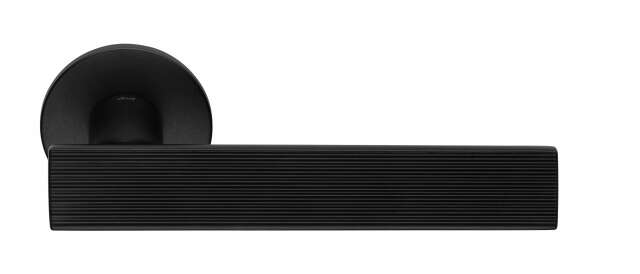
Anik Line
Anik with a longitudinal groove along the lever shaft.
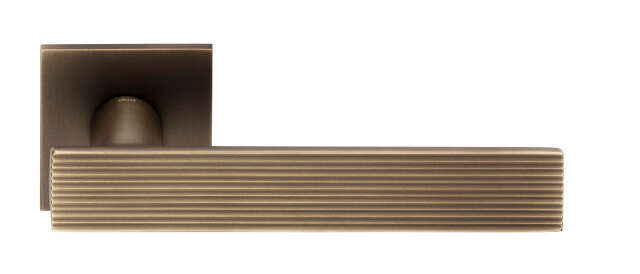
Anik Line 02
Grooved Anik on a fine-square rosette.
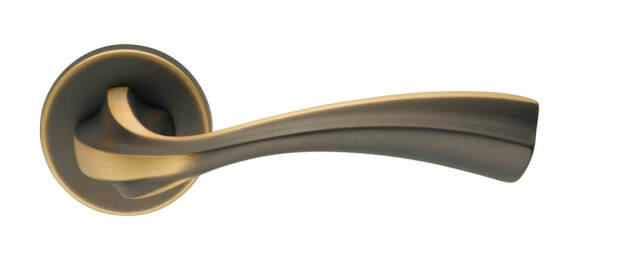
Appia
Classical lines drawn with restraint. A traditional silhouette in solid brass, polished and lacquered finishes.
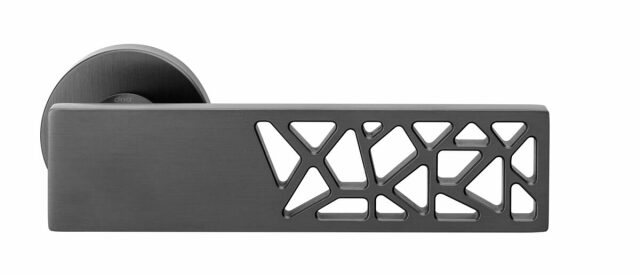
Aretè
A signature DND silhouette. Available in L and 02 variants, across DND's full palette of brass, chrome, bronze, and PVD finishes.
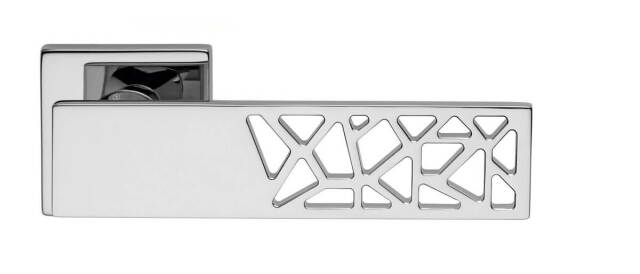
Aretè 02
A squared variant of the Aretè. Triangular cutouts balance geometric precision with decorative lightness — a quiet joke in solid brass.
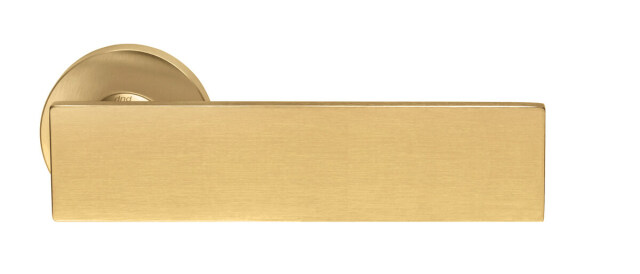
Aretè L
Sophisticated simplicity — classical geometry in contemporary design. Mauro Ronchi's refinement of the Aretè silhouette.
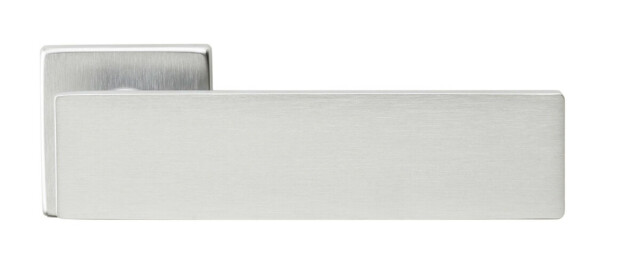
Aretè L 02
The L variant of Aretè on a square rose — the rectilinear pairing for the longer Aretè L silhouette.
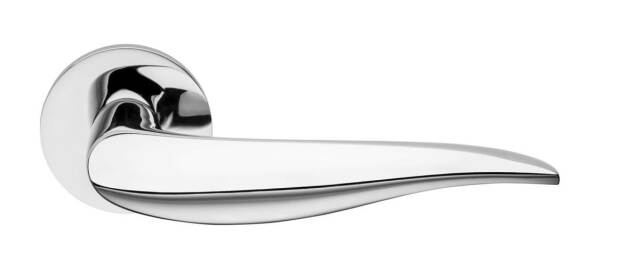
Art
A softly sculpted lever in geometric form. Solid brass, machined to a precise edge — at home with modern and transitional interiors.
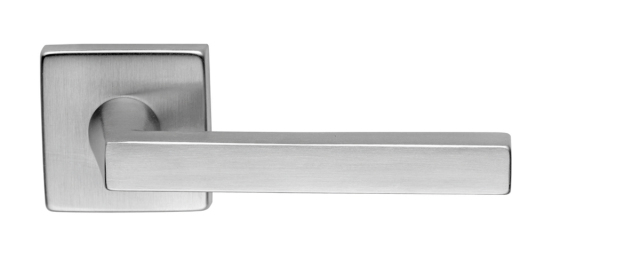
Artik
A clean rectangular lever in zamak with three economical finishes. Practical for contract and supporting interior doors.
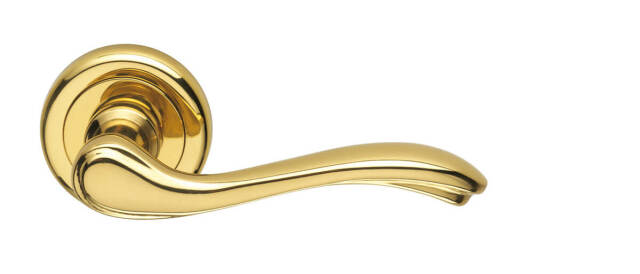
Beauty
Decorative profile with subtle ornamentation. A dressier handle for traditional interiors in solid brass.
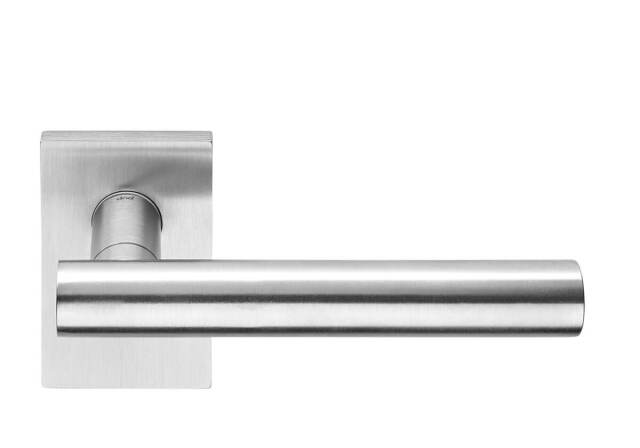
Blend
Cylindrical and rectangular forms meeting at a single break. Technical, memorable, recognizable from across the room.
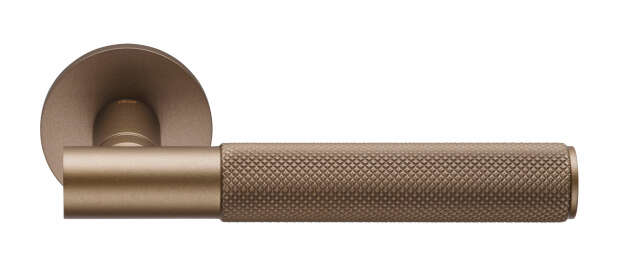
Blend AG
A Blend variant in antique-grain finish — same square-meets-round geometry, warmer tonal language.
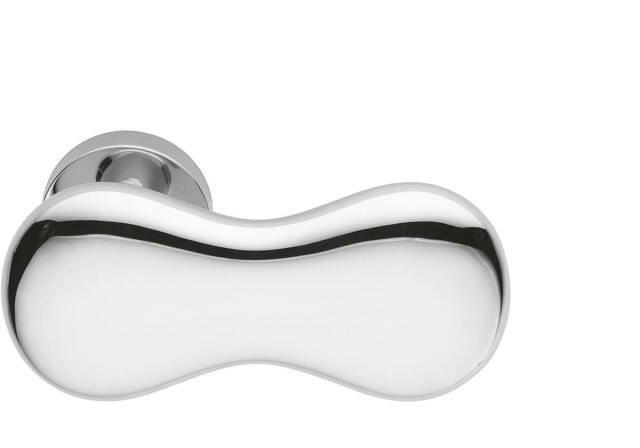
Blip
A small, focused lever silhouette — short grip, no embellishment.
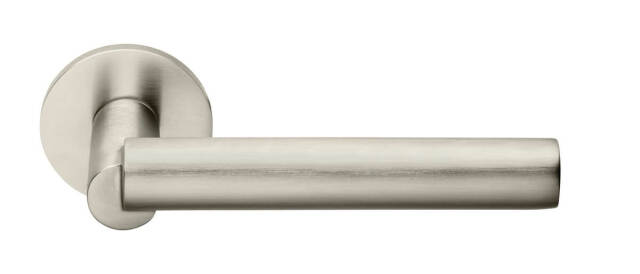
Boole
Two cylinders meet and intersect with a slight shift, sharing a small portion of material. Quiet mathematical tension in solid metal.
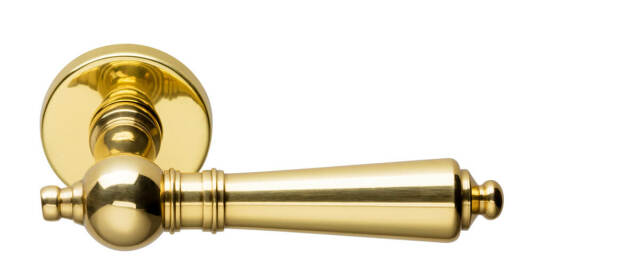
Bruxelles
A continental classic — gentle curves drawn against a sleek lever back. Solid brass in polished and bronze finishes.
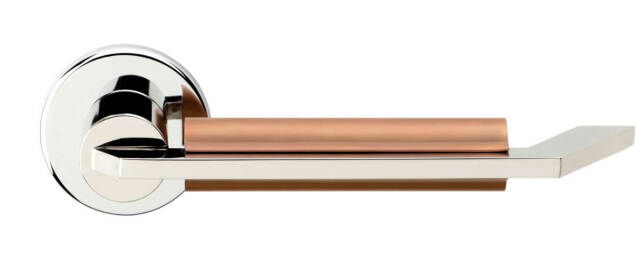
C-1918
Steel and copper paired in an original design that DND has "rediscovered and produced with great pride." The house's signature series.
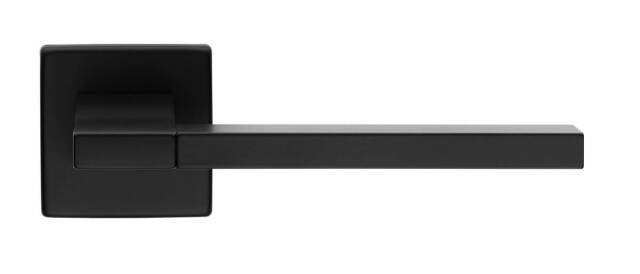
Change B 02
A modular brass lever — the B 02 variant changes the back-section geometry for square-rose pairings.
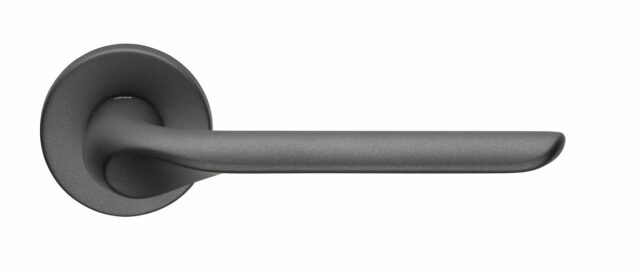
Chop
Slim curved lever with generous palm — also specified on ICA pivot entry doors.
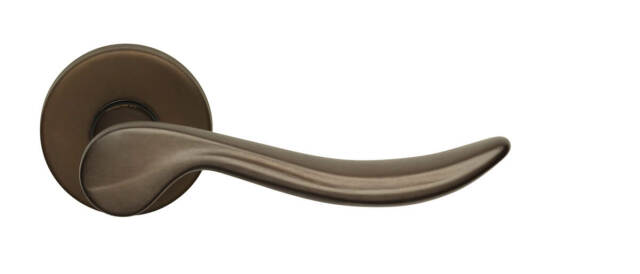
Classic
The archetypal door handle. Smooth curves, balanced proportions, familiar grip in solid brass.
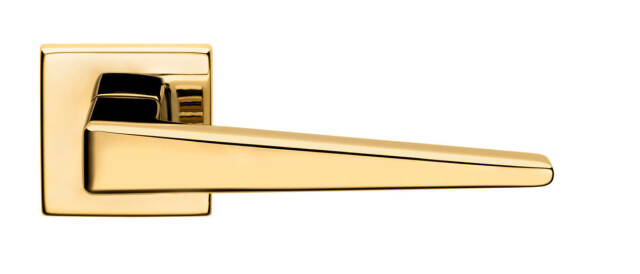
Cloè 02
The triangular Cloe silhouette on a square rose — angular geometry doubled.
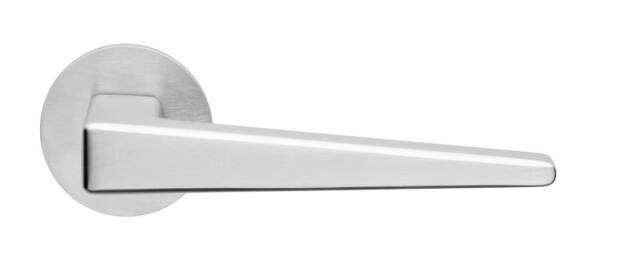
Cloe
A rigorously sculpted triangle. Clear geometric form for essential, minimal spaces where the handle can afford to be a quiet shape.
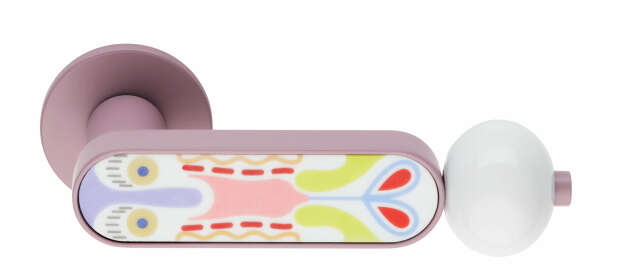
Crisalide
Sculptural aluminium with inlaid plastic insert. Modern, expressive, engineered for hotel-grade interiors.
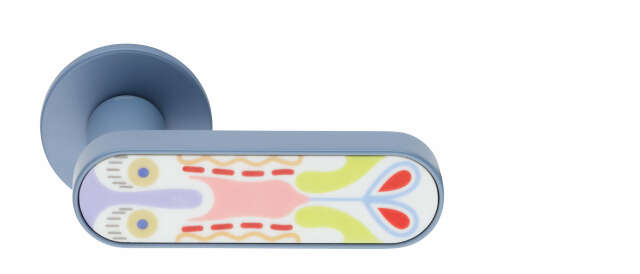
Crisalide Mini
Smaller-format Crisalide with the same anodised aluminium + insert palette.
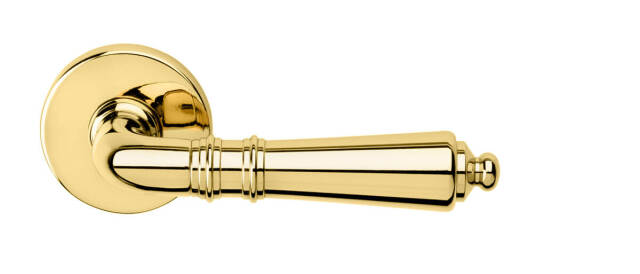
Daniela
Marco Pisati’s tribute lever — understated continental silhouette, balanced for everyday hand.
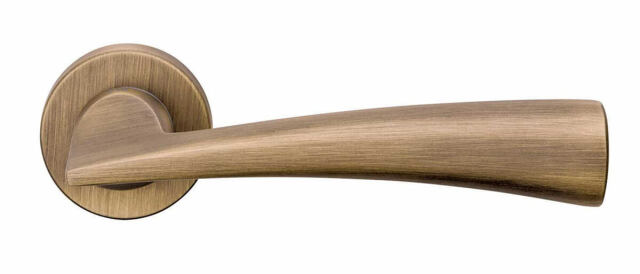
Dolce
A softly curved lever with restrained geometry. Solid brass in chrome, bronze, and PVD gold.
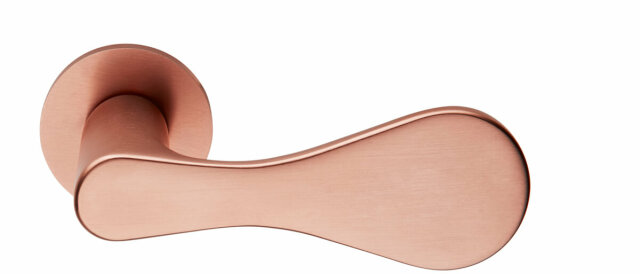
Drop
Soft and affable shape in which brass conveys its allure through the best possible form — rounded, tactile, material-forward.
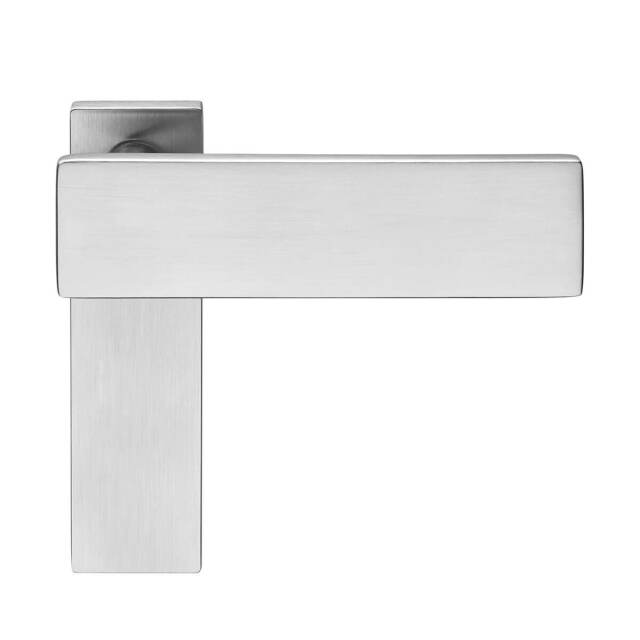
Due
Two equal slender parallelepipeds forming a handle archetype. Designed by Stefano Boeri Architetti — architecture scaled to the hand.
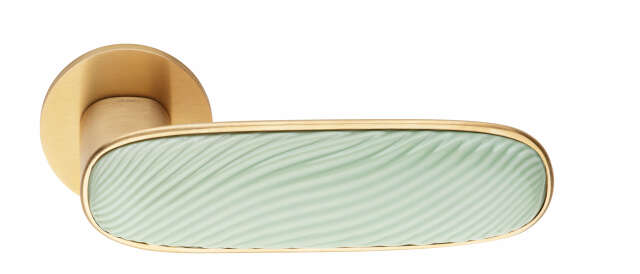
Dune
A sculpted ergonomic form. The metal handle pairs with a colored plastic rose insert — black, red, or violet.
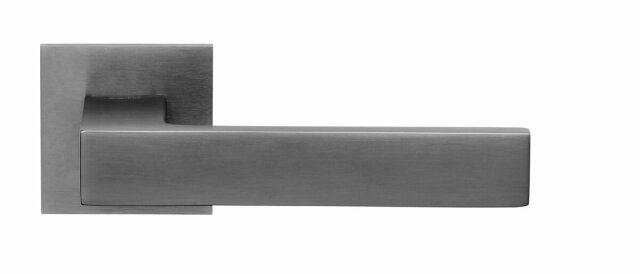
Edra 02
The force of archetypal form — the idea of a handle itself, embodied by geometric lines and volumes of essential purity.
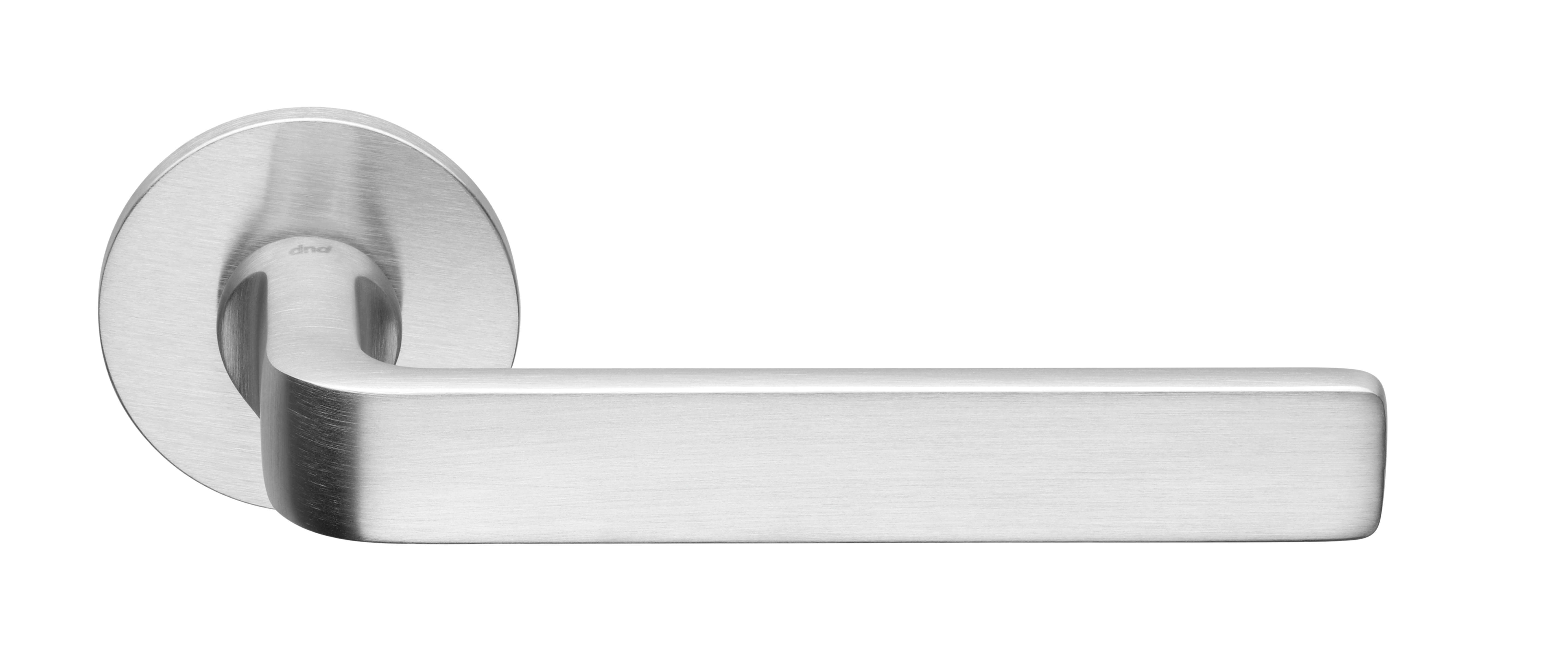
Elena
A classical Zamak lever — elegant restraint at value-tier pricing.
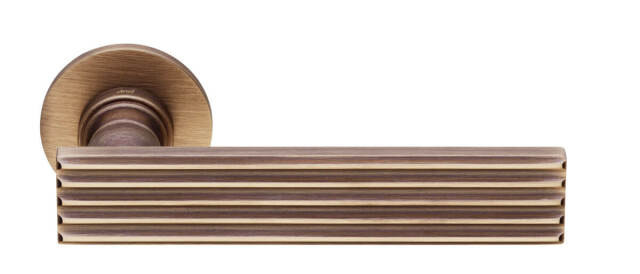
Eleonora
A graceful curved lever in solid brass. Available across the full PVD palette — sophisticated for primary bedroom doors.
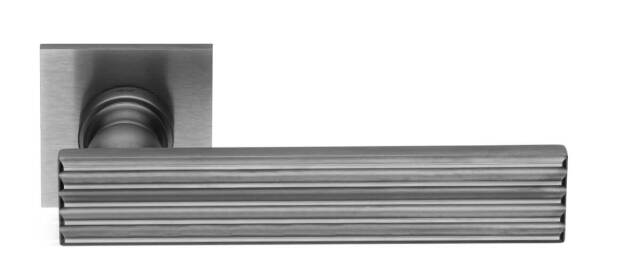
Eleonora 02
The Eleonora lever on a square rose — classical proportion meeting rectilinear geometry.
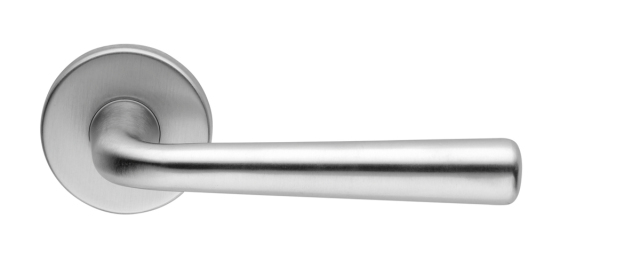
Elle
A small contemporary Zamak lever — clean line, value-tier.
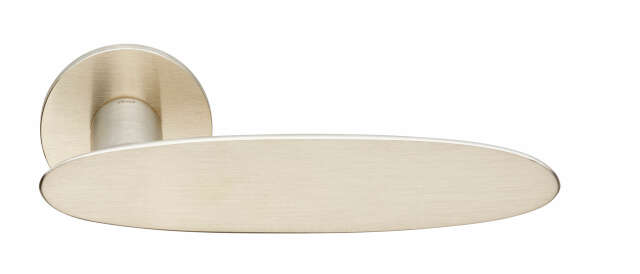
Ellipse
A continuous elliptical loop in solid brass — the lever and rosette read as one drawn line. Full finish palette.
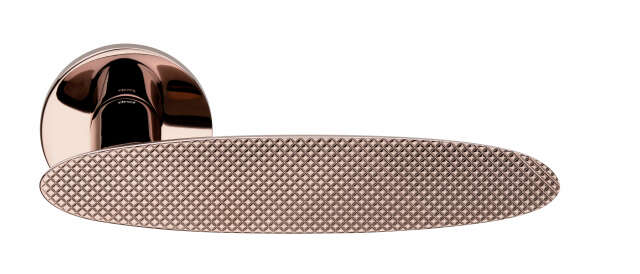
Ellipse Brilliant
The Ellipse silhouette finished with brilliant polish — high-shine variant of the elliptical lever.
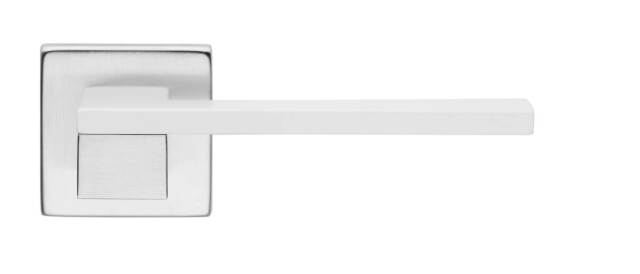
Esa
A geometric hexagonal grip — sharp facets in chromed and satin-coated zamak. A statement specification for contract interiors.
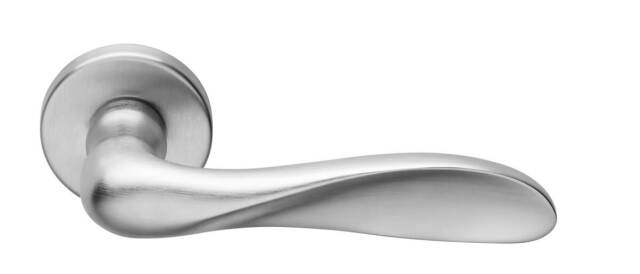
Fedora
A classic sweeping lever with elegant proportions. Solid brass in bronze and PVD gold — at home on traditional interiors.
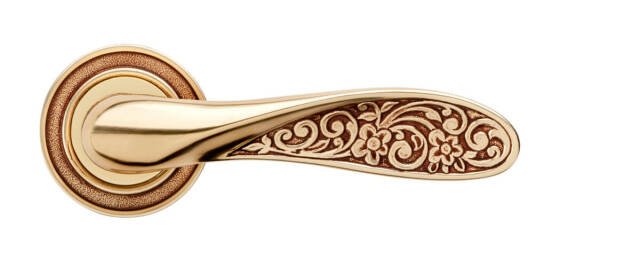
Fiore
A flowering-form lever — softly modeled grip, classical undertone, contemporary detail.
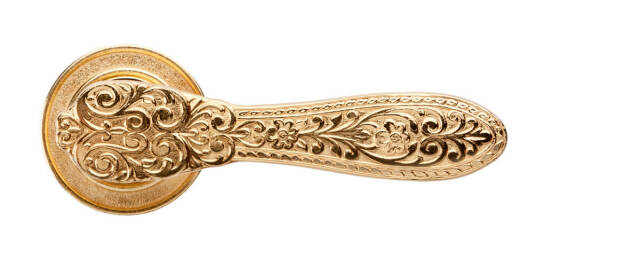
Fiorenza
A classical brass lever with Florentine proportions — ornament without excess.
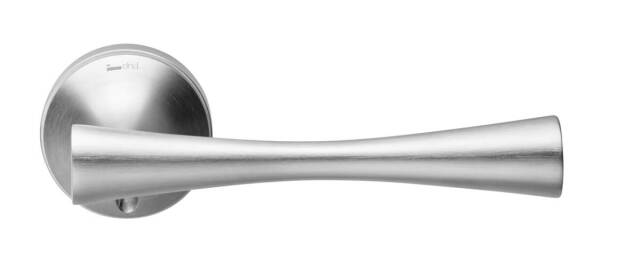
Fluke
A dynamic form born from the meeting of two opposing cones. The vivid impact of a genuinely recognizable design.
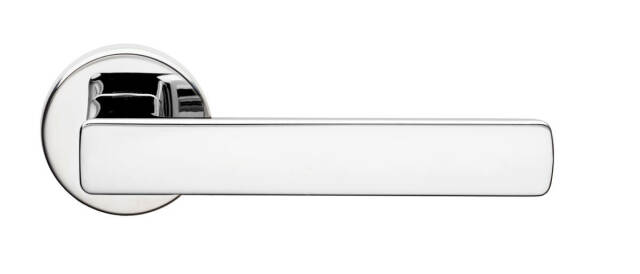
Fold
A rectangular bar with a precise fold along its length — the geometry catches light as a sharp edge against the door.
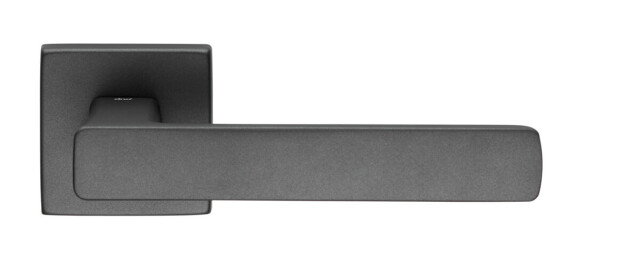
Fold 02
The Fold lever on a square rose — knife-edge geometry paired with rectilinear hardware.
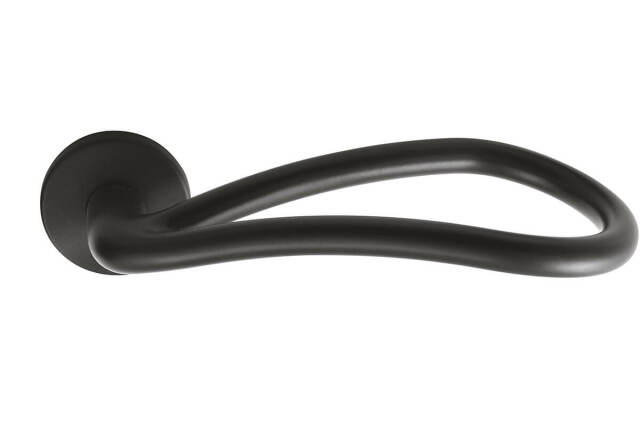
Freely
Modern asymmetric design in anodized aluminium. Lightweight construction with two contemporary finishes.
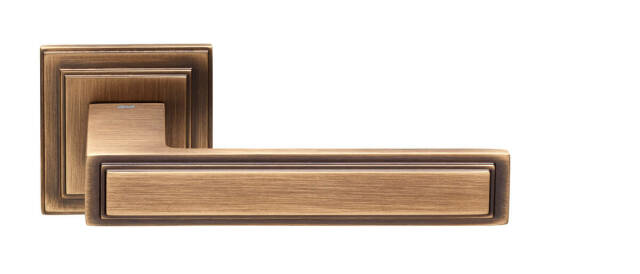
Ginevra
A modern lever drawn with confident lines. Solid brass with a precise machined edge — full PVD palette.
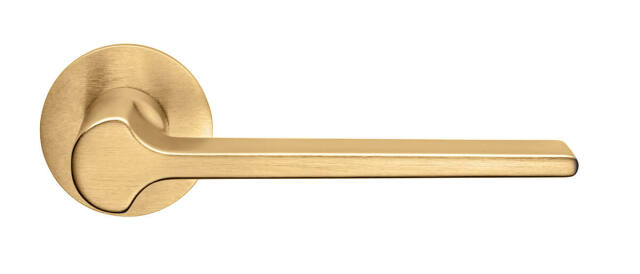
Ginkgo
The shape of a ginkgo leaf, cast as both structure and decoration. Made in two versions — classic and Biloba — for the door that earns a second look.
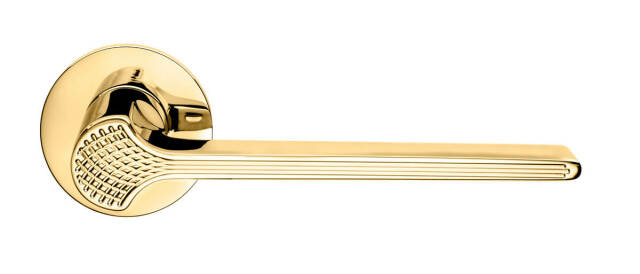
Ginkgo Biloba
The full leaf of the Ginkgo, cast in solid brass. Giulio Iacchetti's design — winner of the 2017 Good Design Award.
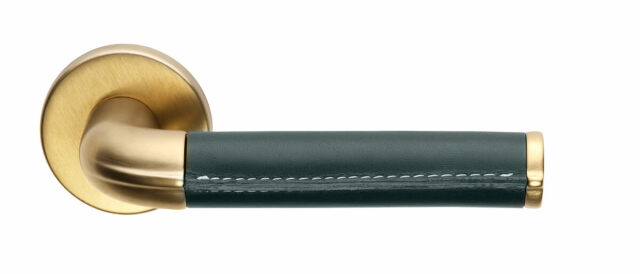
Havana
A round-section brass lever with a softly curved transition — warm, residential, lived-in.
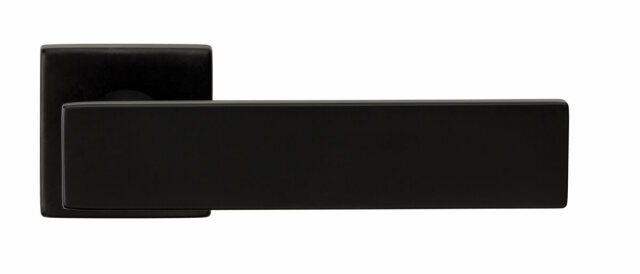
Holly
A square-section lever from DND.
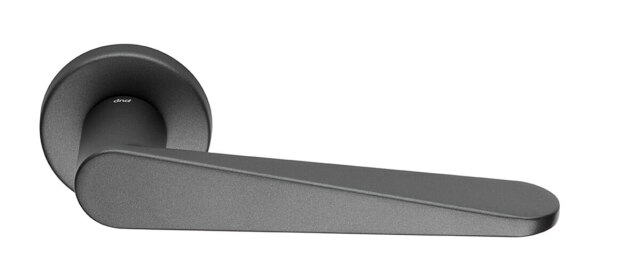
Iki
A pared-down geometric form in zamak — minimal, contemporary, economical. Three coordinated satin finishes.
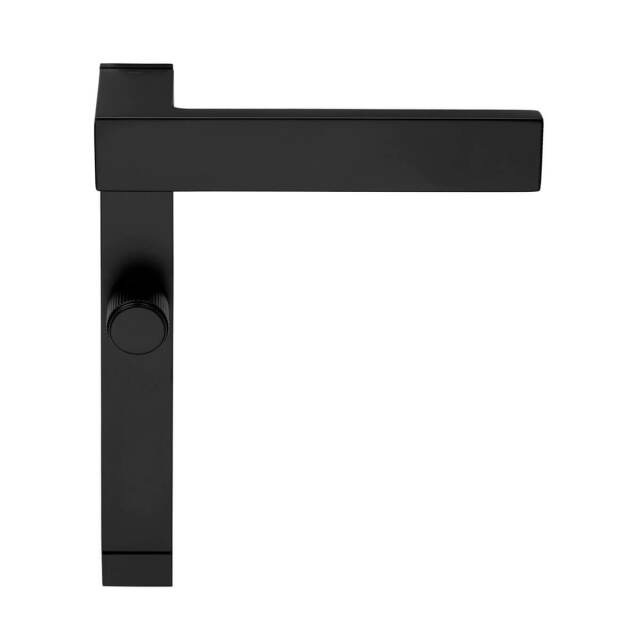
(IN)finito
A continuous form that loops back into the rosette — lever and rose as one uninterrupted line. Six rosette systems.
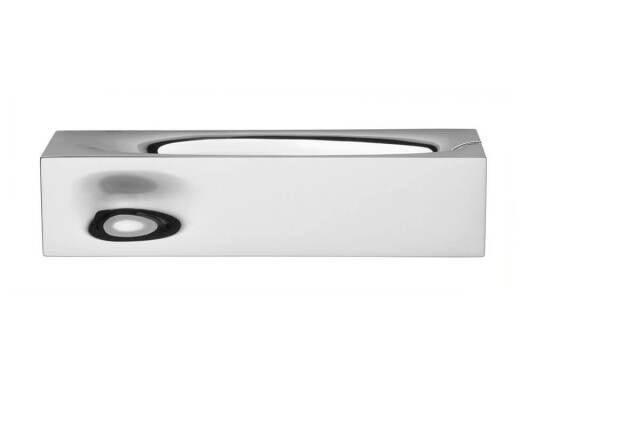
Intake
Designed by Andrea Morgante for the Enzo Ferrari Museum. Automotive-inspired sculpture translated into door hardware.
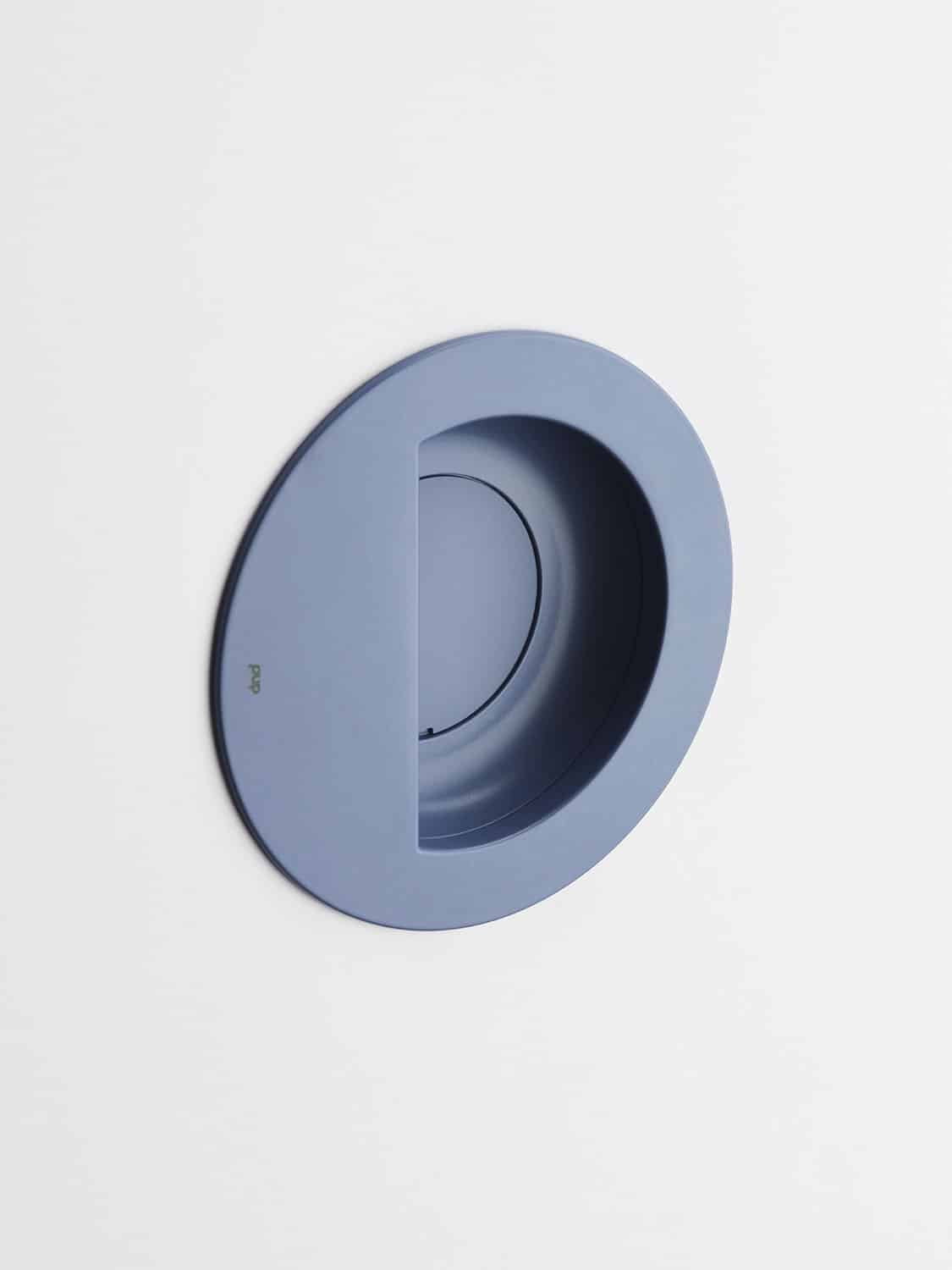
Interna
Flush minimalist disc inset into the door panel — a bevelled concave for the hand. Archiproducts Design Awards 2024 winner. Nine zamak finishes.
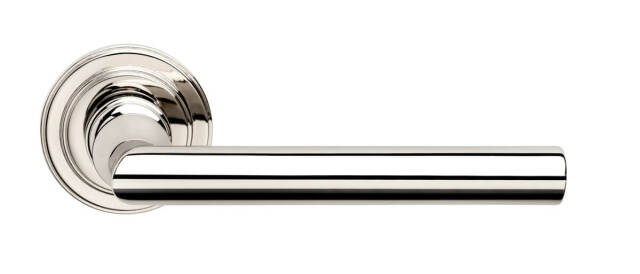
Isabella
Cylindrical form merging classical proportions with contemporary volumes. Marco Pisati's most restrained handle for DND.
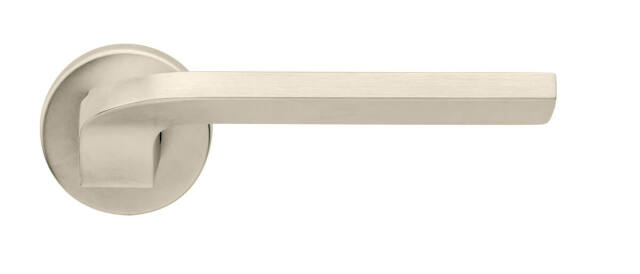
Joy
A friendly contemporary lever in zamak — soft curves, four satin finishes, generous grip.
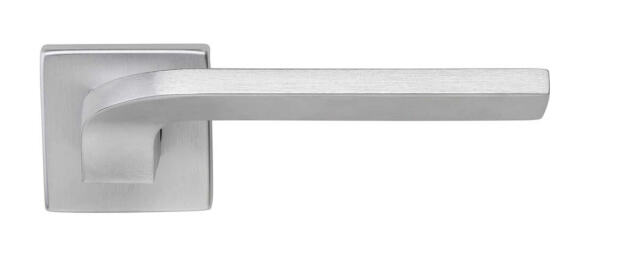
Joy 02
Joy on a square rose — Novelletto's playful curve recut for rectilinear leaves.
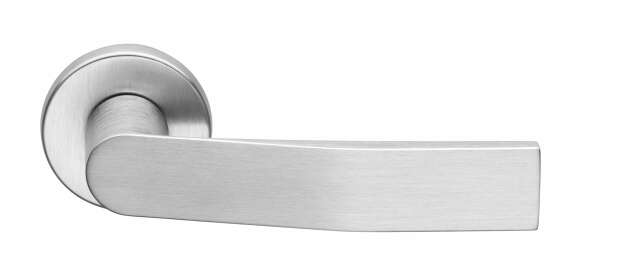
Kind Of
A geometric lever with a soft-radius square section.
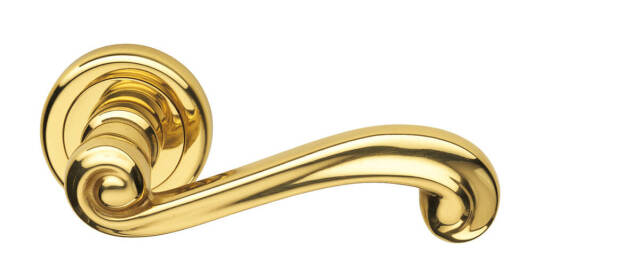
Lady
A refined classical lever — slender shaft, decorative rose detail. Specified for traditional residential and hospitality.
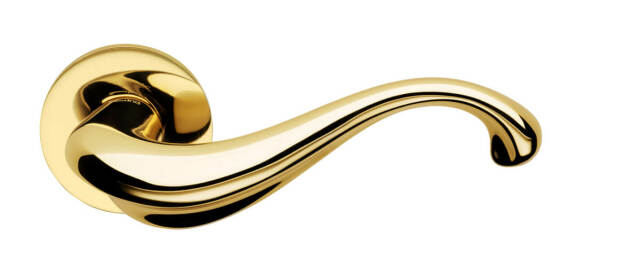
Latina
A traditional lever with a hand-cast feel and a long, sweeping grip.
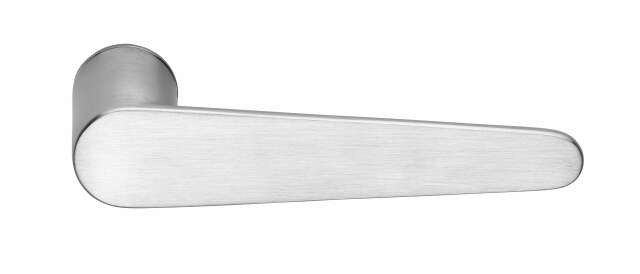
Leva
DND’s definition of a generalist door lever — round shaft, gentle taper, neutral profile.
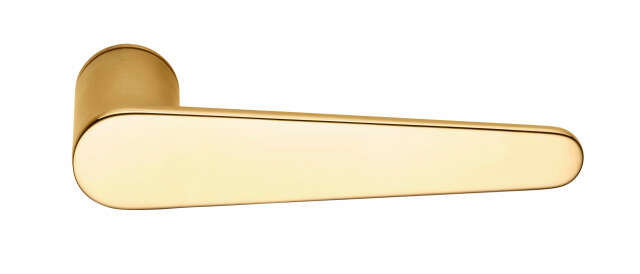
Leva Mirror
The Leva silhouette in a mirror-polished finish — high-reflectivity variant of the Leva lever.
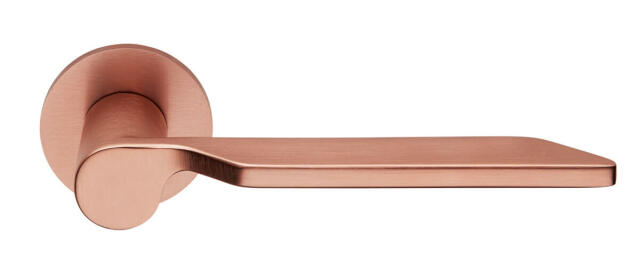
Levante
The essence of a terse, simple form — an object whose design would be identified with its function and nothing else.
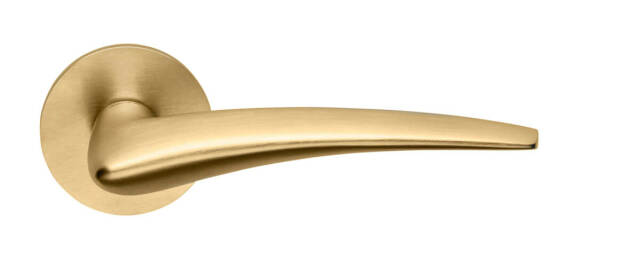
Linear
A pure horizontal bar — Zamak, value-tier, six finishes. The handle most often specified when the budget says "modern but not bespoke".
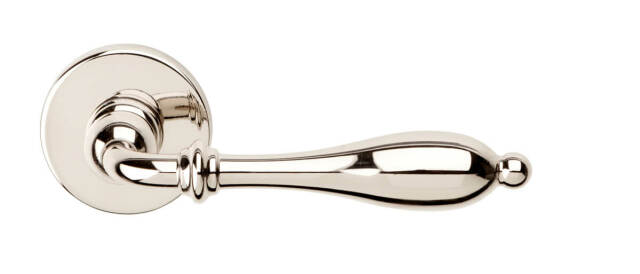
Lirica
A poetic lever — long, slim, with subtle curves at the rose and tip. Classical feel, contemporary line.
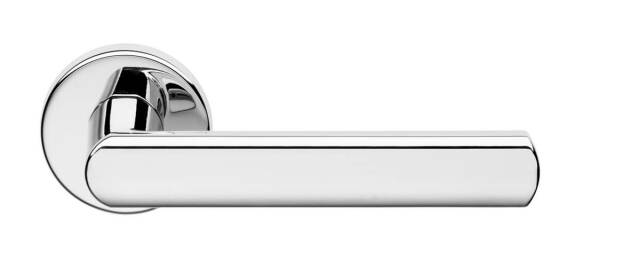
Luce
The original Luce — a slim cylindrical lever on a round rose. The base brass lever shipped with most residential interior doors.
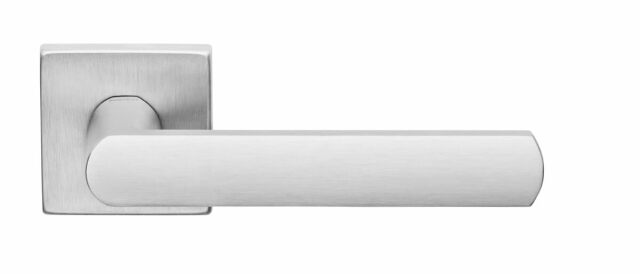
Luce 02
The Luce silhouette on a square rose. Specified for panels with rectilinear geometry — Linee Quadra, Frame, and the like.
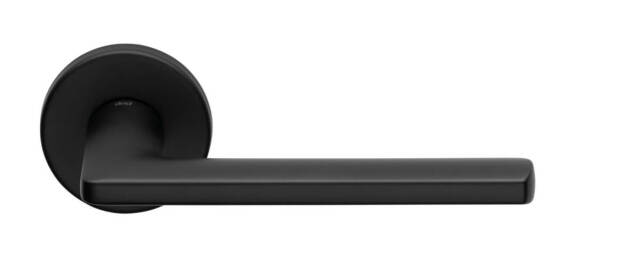
Luce P
DND's most-specified Zamak lever — cylindrical, pared back, six finishes.
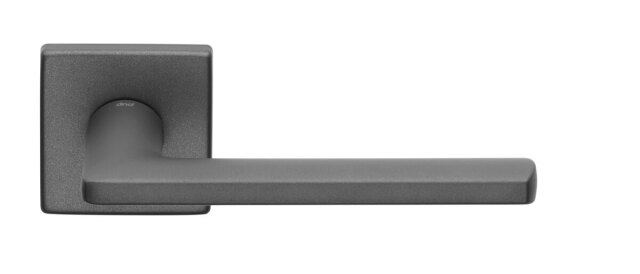
Luce P 02
The Luce P lever on a square rose — the architectural detail that pairs with rectilinear leaves.
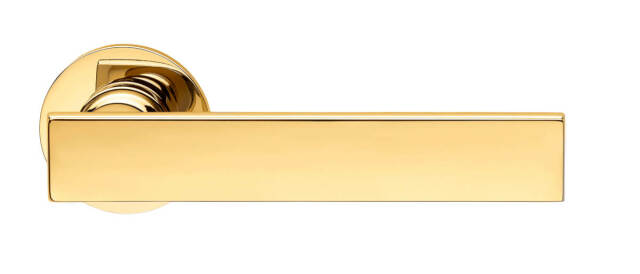
Lucrezia
A Renaissance-inspired stem paired with a rectangular grip, refined by elegantly shaped borders. A classical language, modernly proportioned.
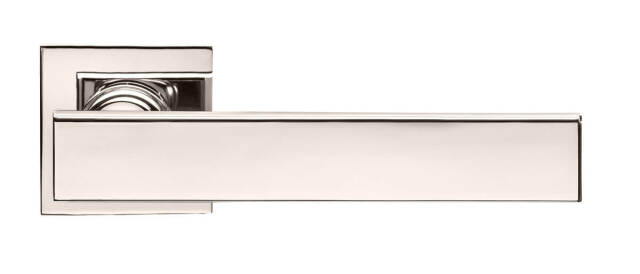
Lucrezia 02
The Lucrezia silhouette on a square rose — softness meeting geometry.
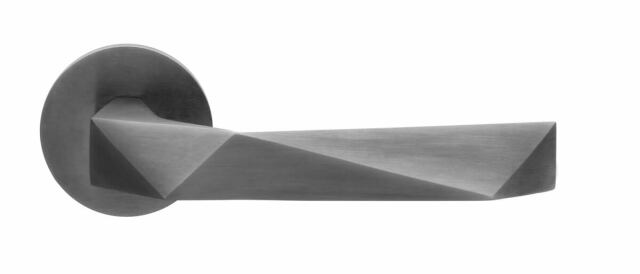
Luxury
Faceted geometry and clean cuts in the material, drawn from contemporary architectural references. Available with the Luxury 02 variant.
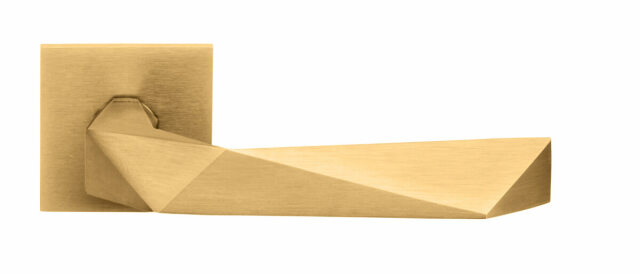
Luxury 02
The Luxury silhouette, recut. Faceted geometry and clean material breaks drawn from contemporary architecture.
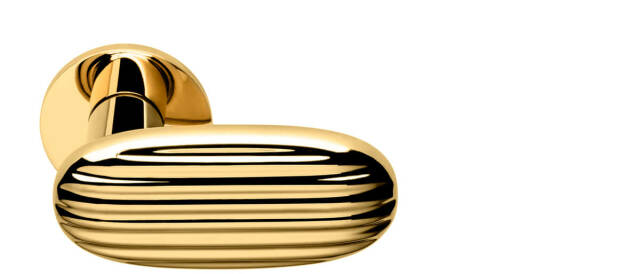
Madeleine
A tribute to the madeleine cakes from beyond the Alps — a small decorated handle that replicates their seashell form down to the fluting.
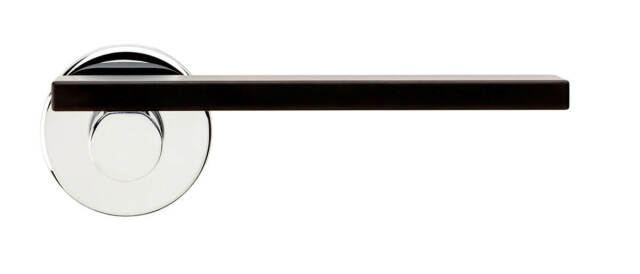
Minima
The most reductive lever in DND's catalog — disappears against flush leaves.
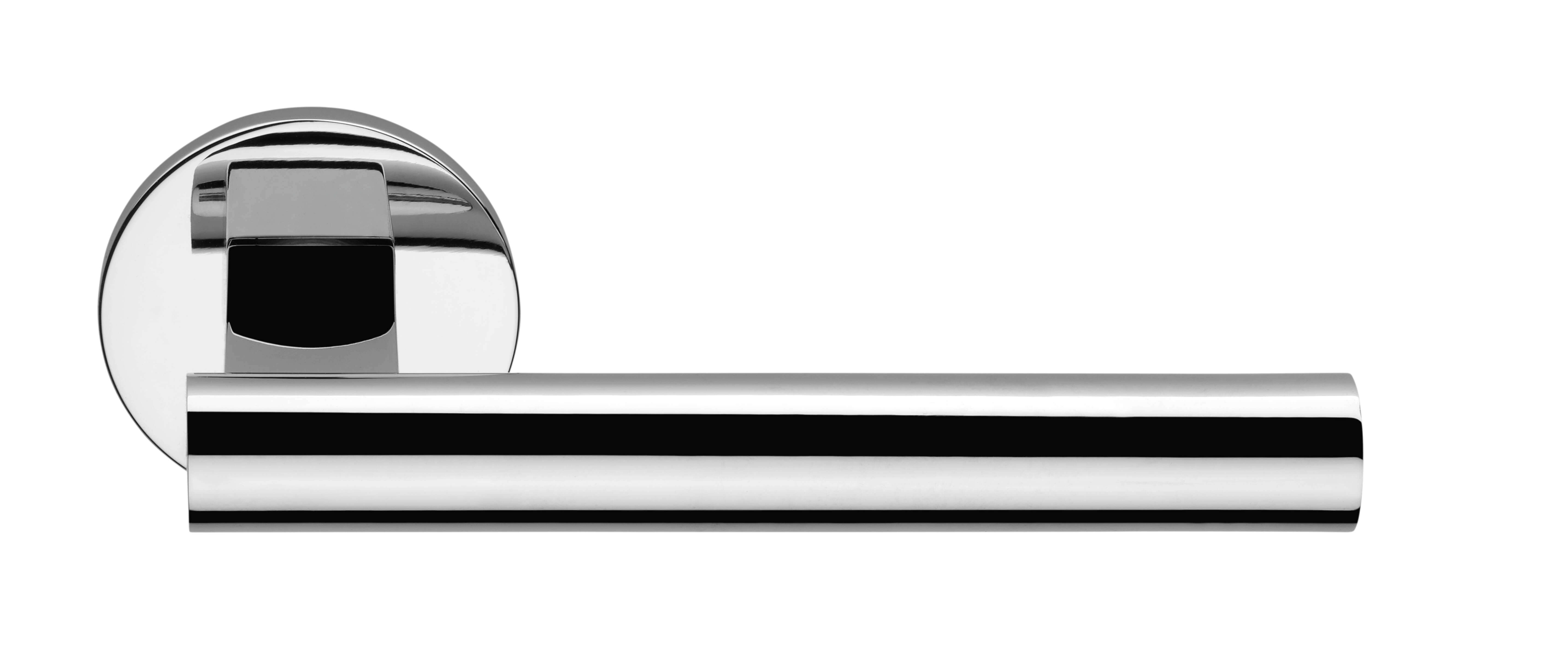
MJ
A two-letter Zamak lever — minimal classical reference, contemporary line.
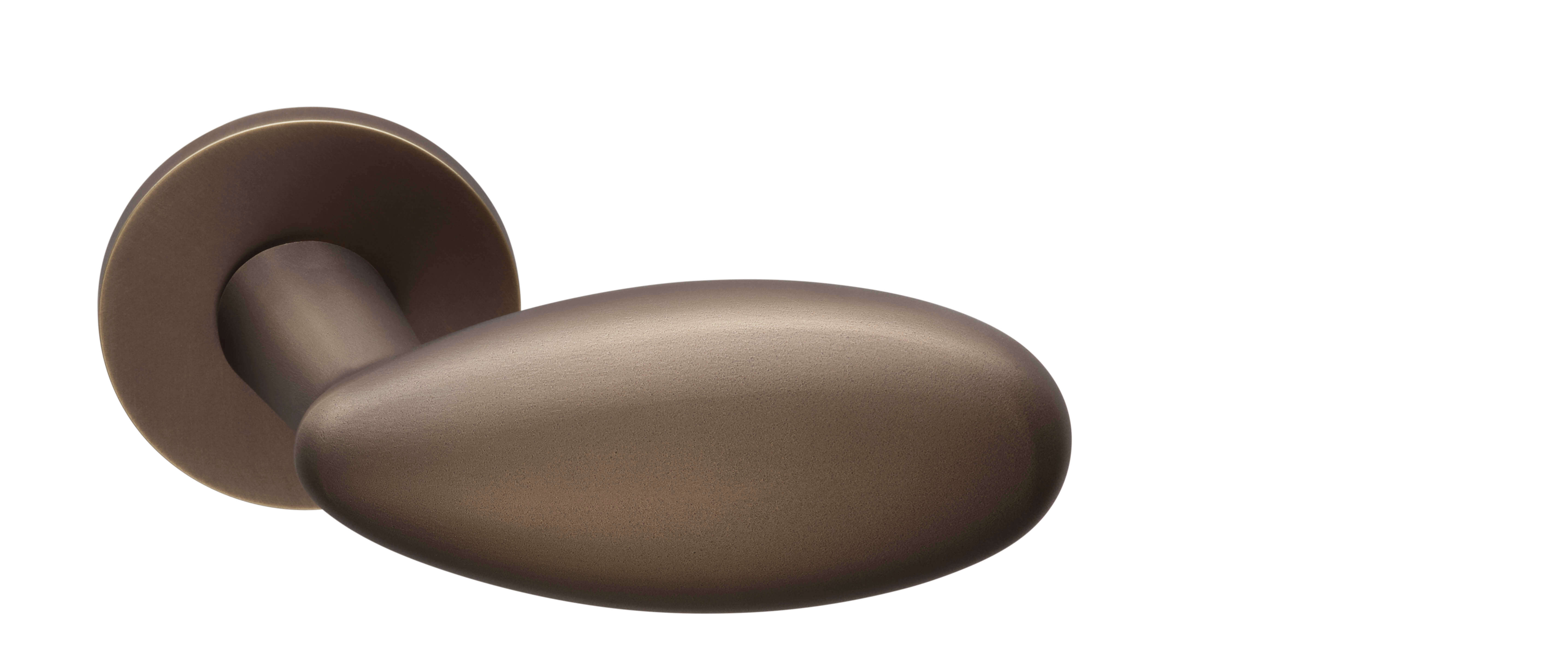
Ovum
An egg-shaped grip with a soft taper. Reads sculptural.
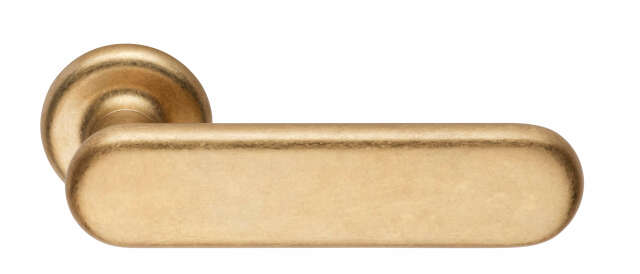
Palm
Lazzeroni's organic, palm-shaped lever — sculptural without weight.
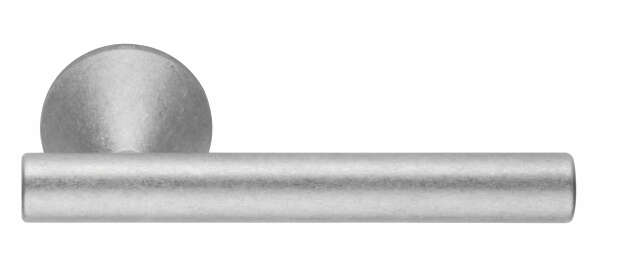
Pencil
A taut, pencil-thin lever — the most reductive silhouette in the DND catalogue.
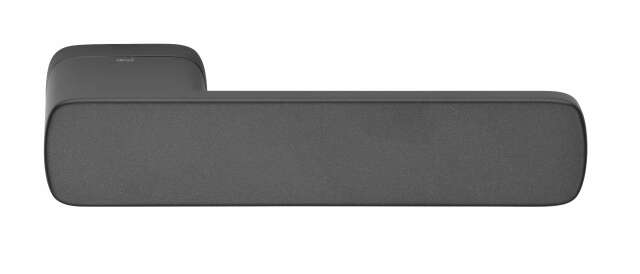
Pluris
A faceted lever with a multi-edge silhouette.
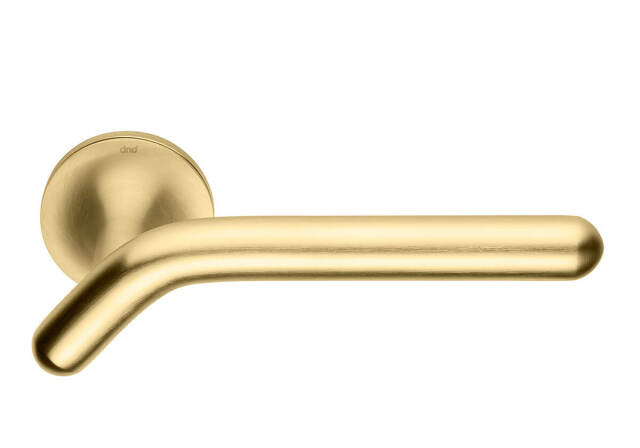
Pod
A capsule-shaped grip that minimises material while giving the hand something soft to grasp.
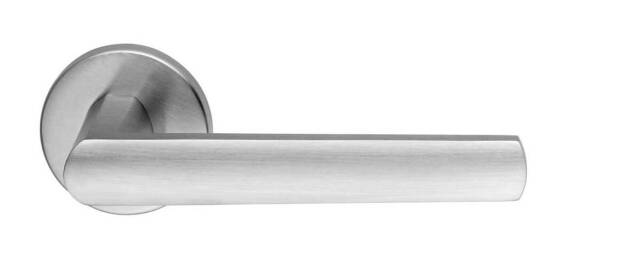
Project
Architectural straight lever — also specified on ICA pivot entry doors. Polished Brass available.
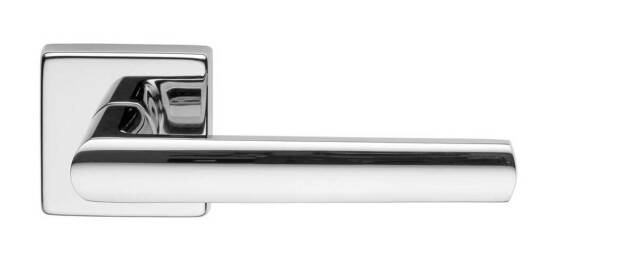
Project 02
The Project straight lever on a square rose — neutral architectural language paired with rectilinear hardware.
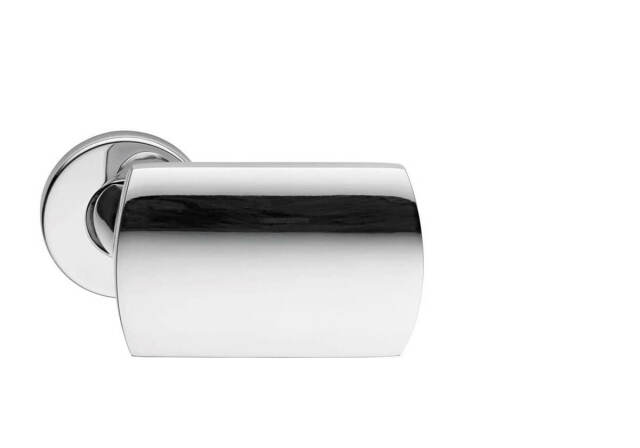
Project Zancata
The cylindrical swivel knob with stub axle on a round rose — the original Project Zancata.
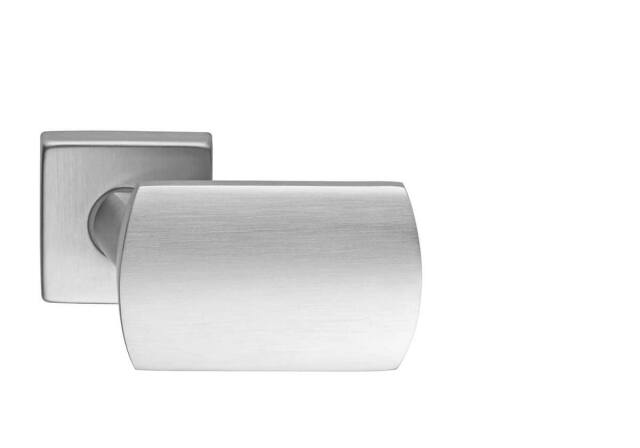
Project Zancata 02
A cylindrical swivel knob with a stub axle (zancata) on a square rose. Architectural, restrained — also specified as the default ICA Pivò swivel knob.
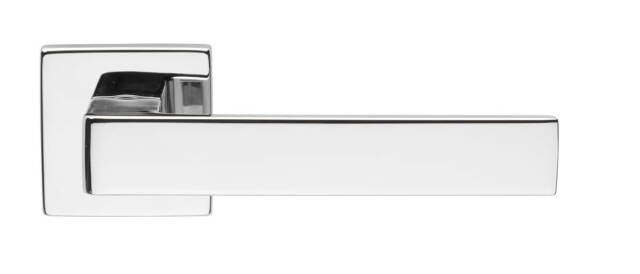
Quattro 02
A four-section brass lever on a square rose — geometric, architectural.
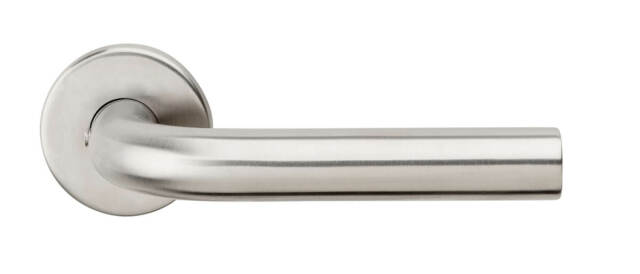
S40
A 40 mm flush sliding-door pull — minimal aperture, full finish palette.
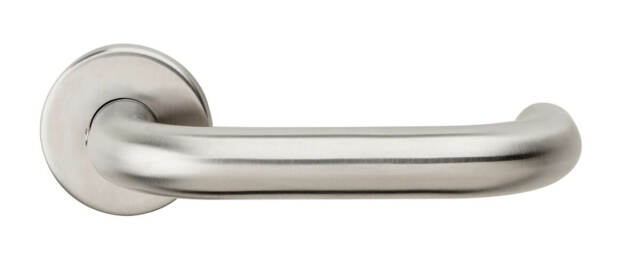
S50
A 50 mm flush sliding-door pull — standard aperture for residential pocket doors.
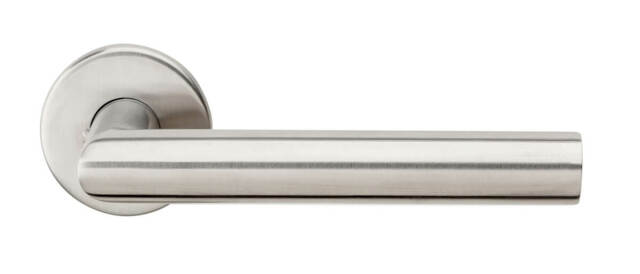
S60
A 60 mm flush sliding-door pull — larger aperture for primary entries on pocket systems.
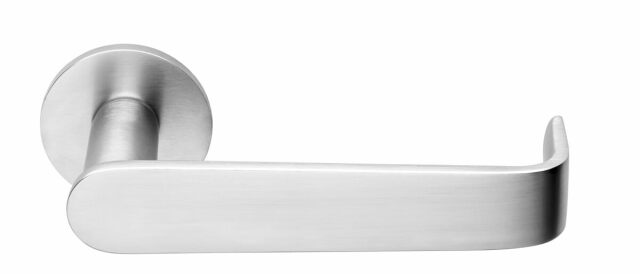
Safety
A metal ribbon folded into a curved grip. Designed by Enrico Martini — the warmest handle in the catalog.
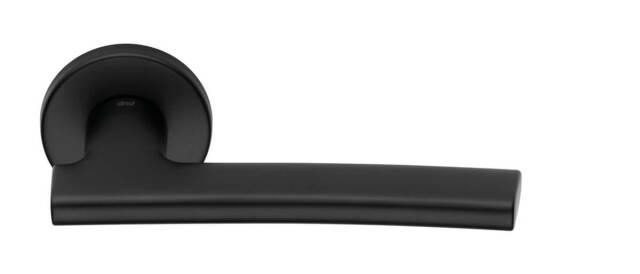
San
A clean modern lever with a rectangular section, tapered toward the tip.
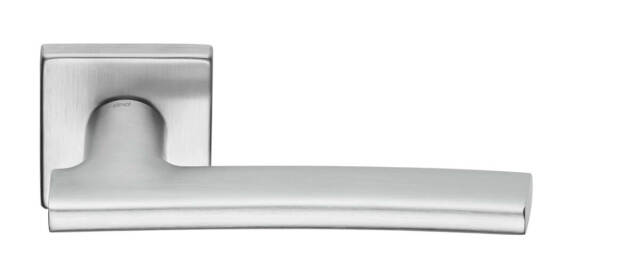
San 02
The San lever on a square rose — east-meets-west geometry recut.
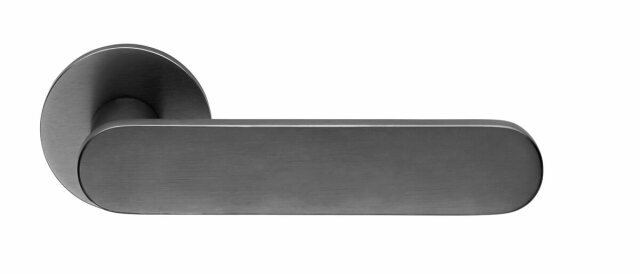
Short
Karim Rashid's contemporary classic — soft lines, deliberate proportions, and DND's full palette of finishes behind them.
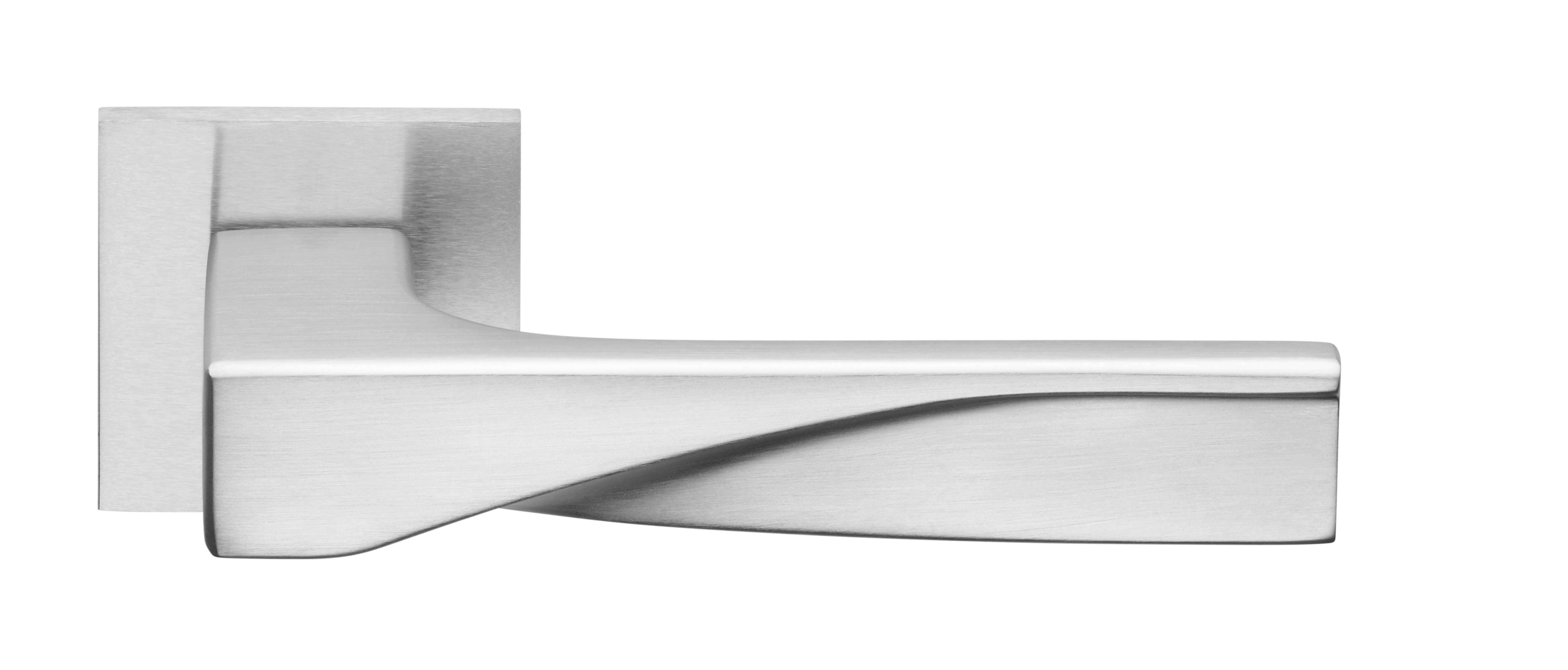
Silvyana
A continental classic from DND, with a softly-arching grip and a refined collar at the base.
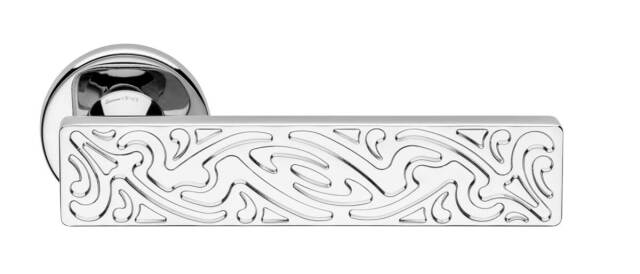
Sochic
A softly tapered brass lever — restrained, urban, rooted in mid-century proportion. Sochic is one of DND's most-specified brass models.
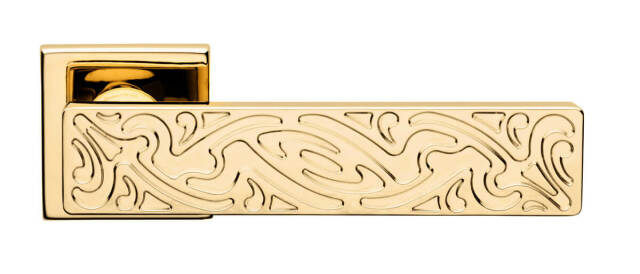
Sochic 02
The Sochic silhouette on a square rose — the rectilinear-rose variant for panels with stronger geometric language.
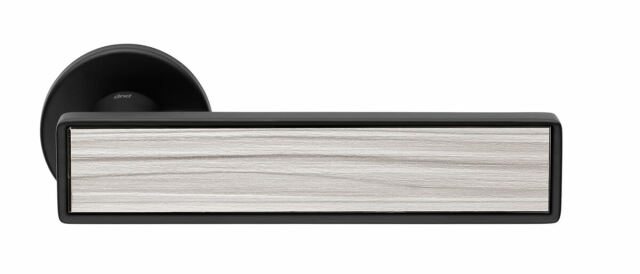
Sochic L
The longer Sochic — same softly tapered profile, scaled up for primary-suite and entry-leaf doors.
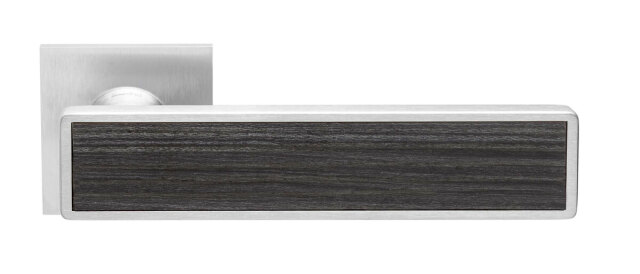
Sochic L 02
Sochic L on a square rose — the longer Sochic with rectilinear hardware geometry.
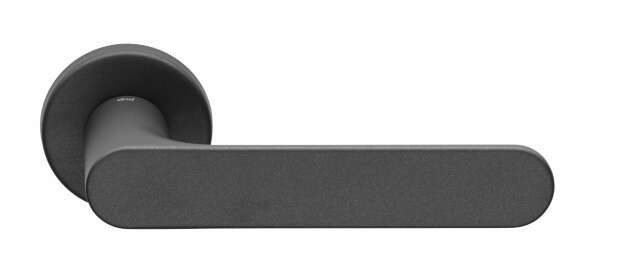
Spot
A compact lever with a circular grip face.
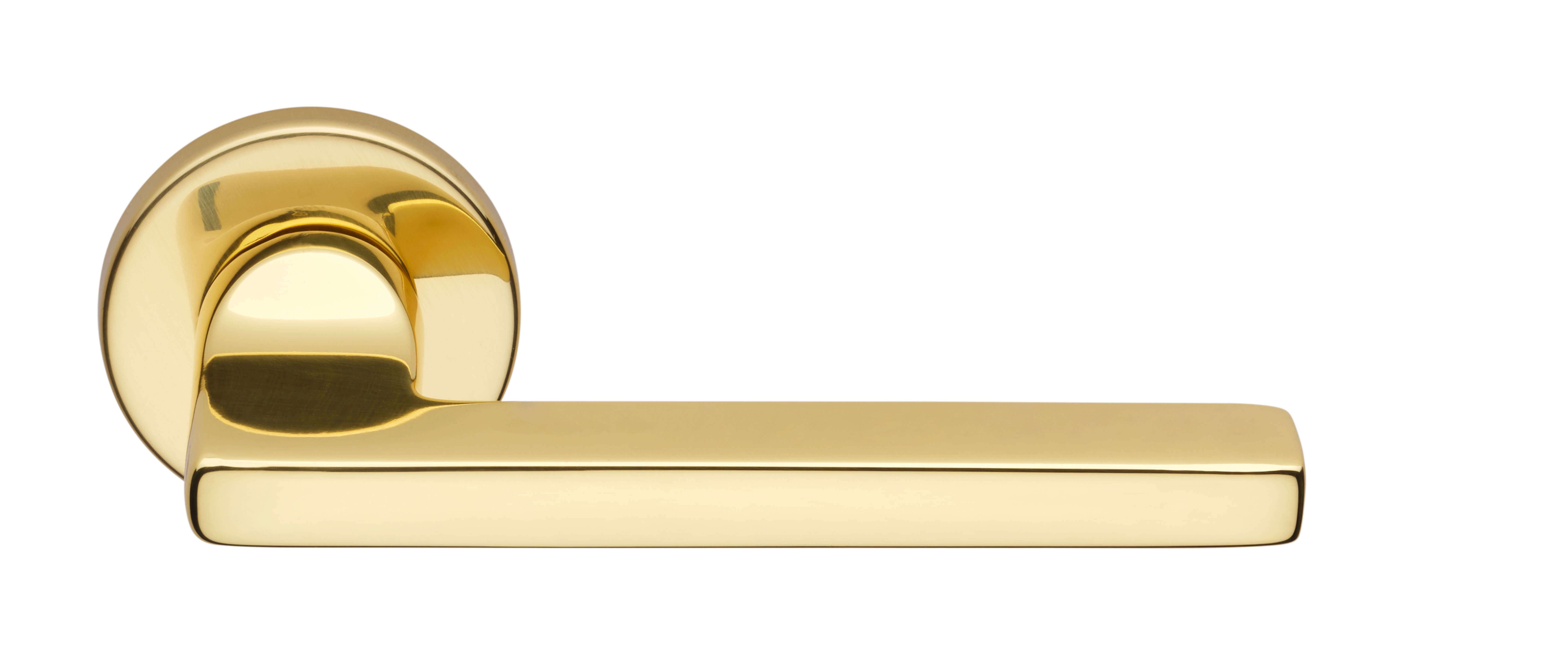
Thelma
A small classical Zamak lever — refined detail.
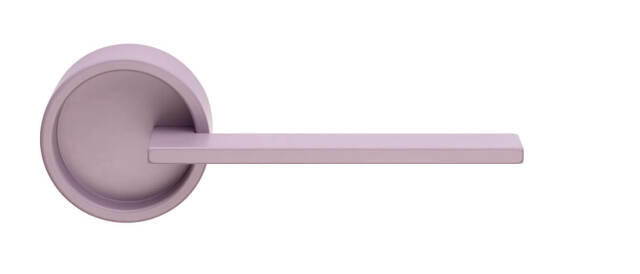
Timeless
A minimalist hammered-bar lever from DND.
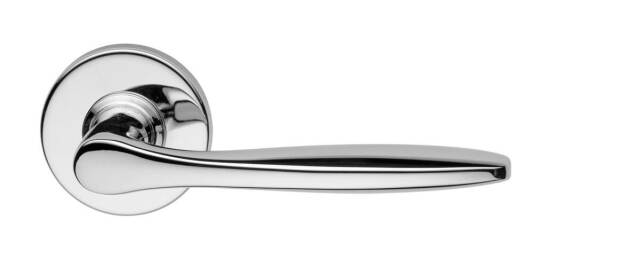
Tipo Z
A Z-form Zamak lever — geometric reference in the classical line.
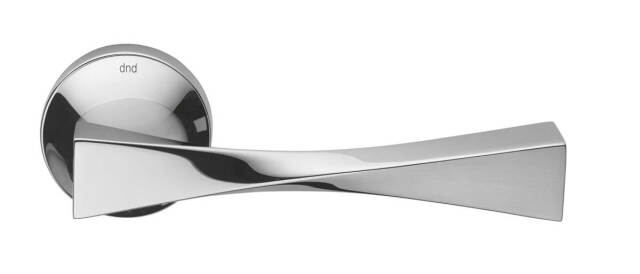
Twist
A square-section brass bar twisted along its axis — a small geometric event that catches grazing light.
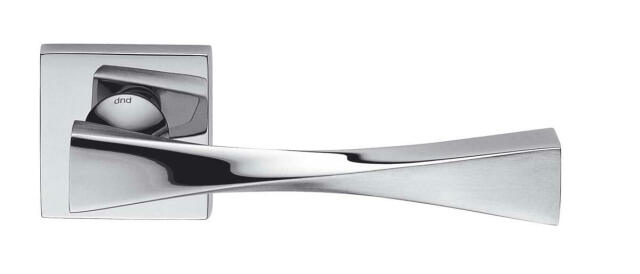
Twist 02
The Twist lever on a square rose — twisted-bar geometry meeting rectilinear rose.
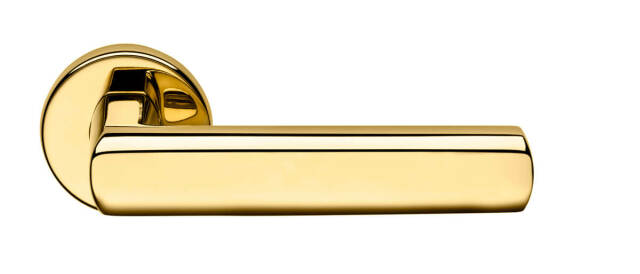
Vita
A slim brass lever with a tapered transition — quiet, residential, generous in the hand.
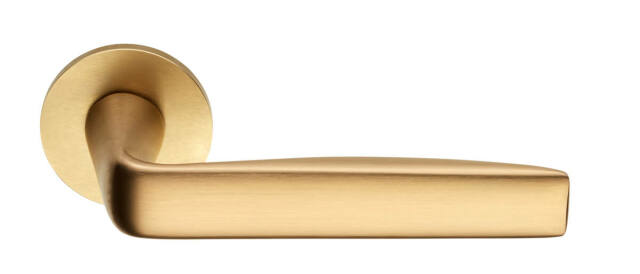
Viva
Ergonomic form meeting sobriety of visual impact. Reads linear from one angle, soft and sinuous from another.
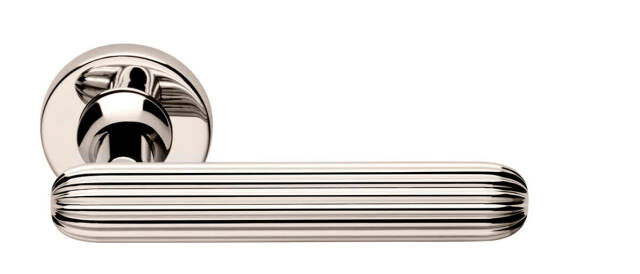
Zeppelin
Pronounced rounded volumes as a formal and decorative reference to the Zeppelin airships of the early 1900s — contemporary execution, great technical prowess.
17 knobs in solid brass
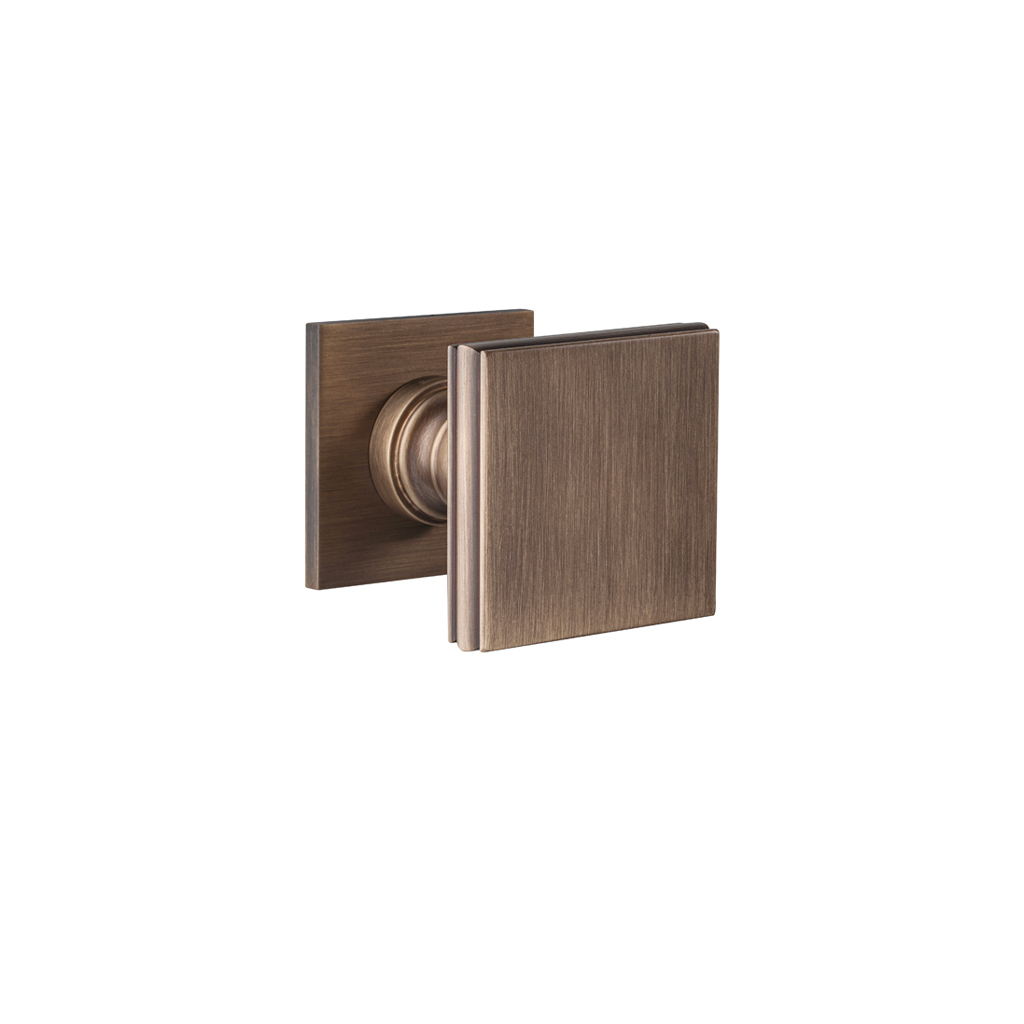
DND's full door-knob catalog — 17 knobs spanning Marco Pisati's three Lucrezia variants and the Timeless turn-knob, BIG's Palm and Pencil, Park Associati's Olive, the Square-designed Ring, the Poggi Mariani porcelain collection (Elisa, Epoque, Martina), and DND's technical-division Rondò, Easy, Project, Quadro, Sfera, and Fiorenza. Same finish palette as the handles — satin and polished chrome, satin and polished brass, anthracite, bronze, and PVD treatments. Click any tile for the reference page on dndhandles.it.
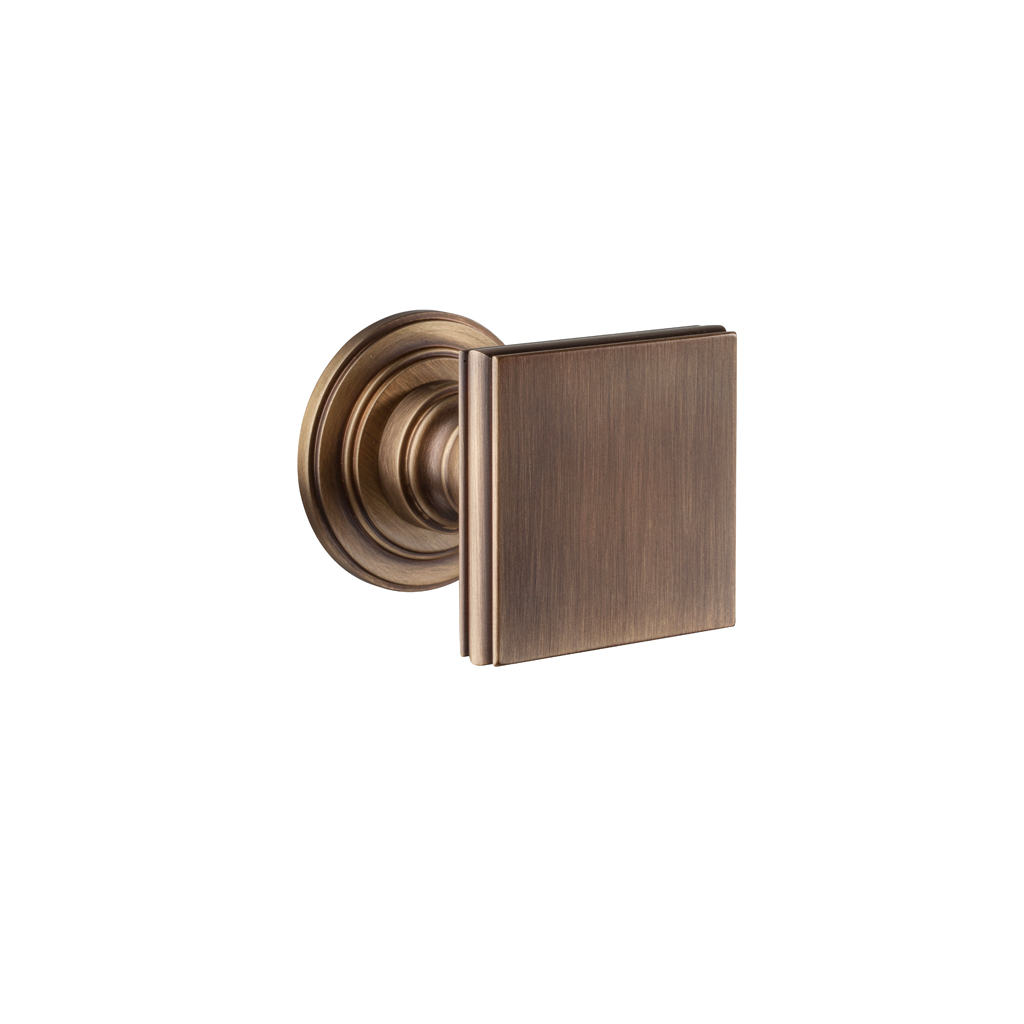
Lucrezia
The round-form knob from Pisati's Lucrezia family — classical proportions in solid brass, seven finishes from satin bronze to antique gold.
Lucrezia 02
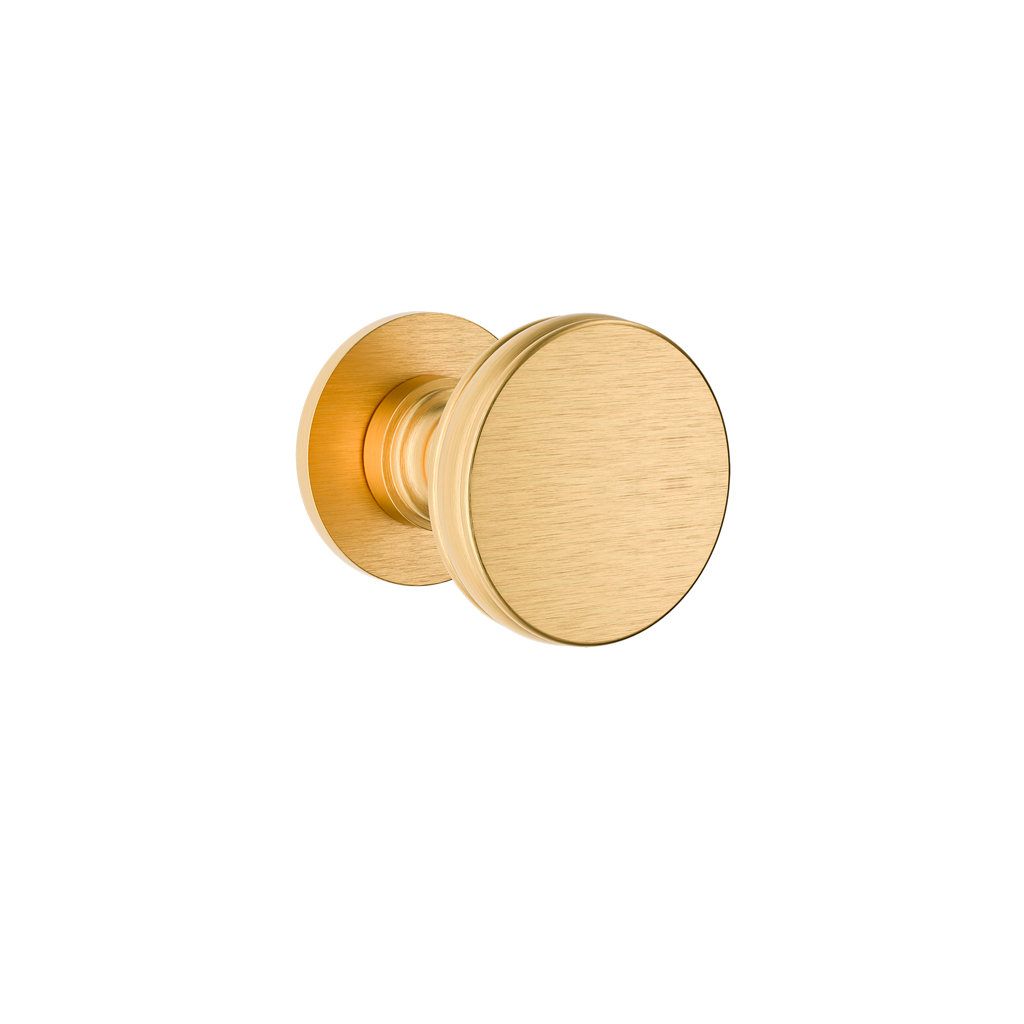
The squared-off Lucrezia variant — same designer, same family, geometric face for square-rosette systems.
Lucrezia 03
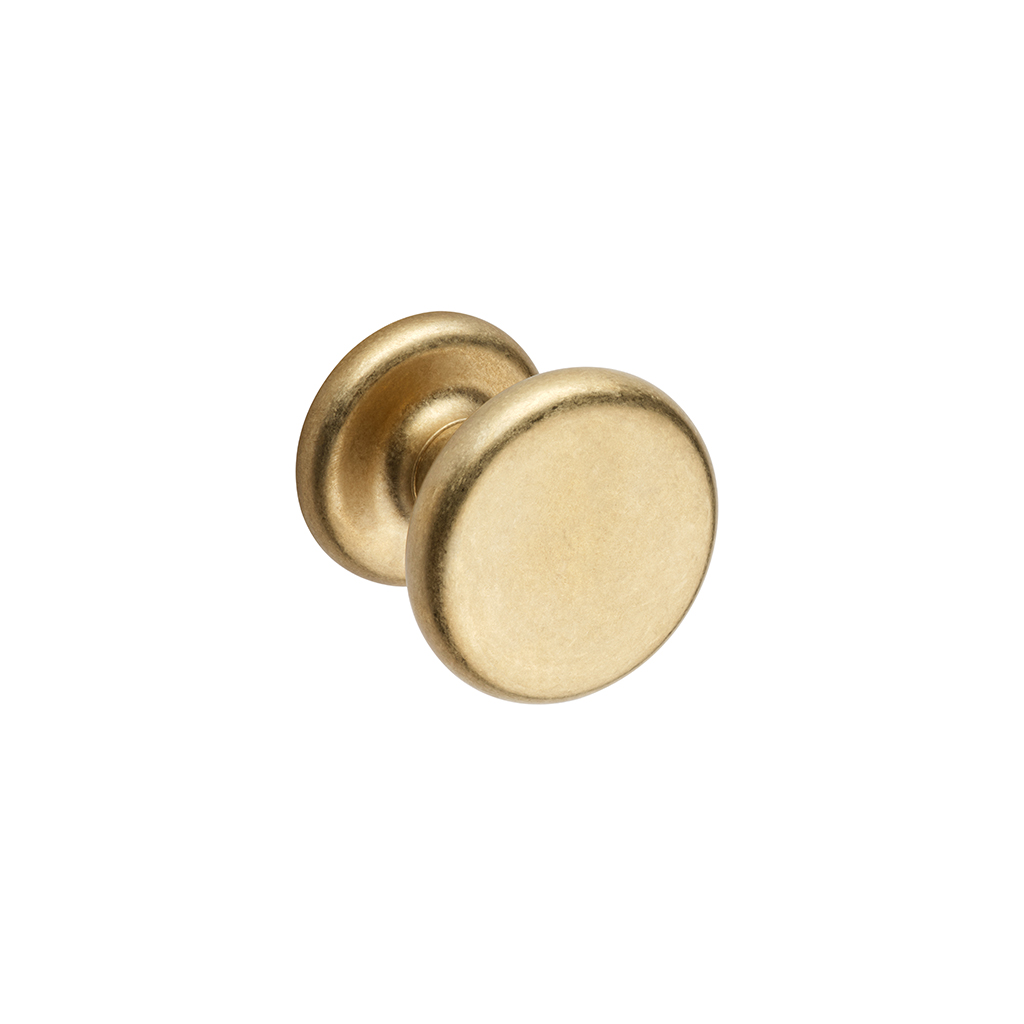
The third Lucrezia silhouette — a softened round form, available across the same seven-finish PVD and satin range.
Palm
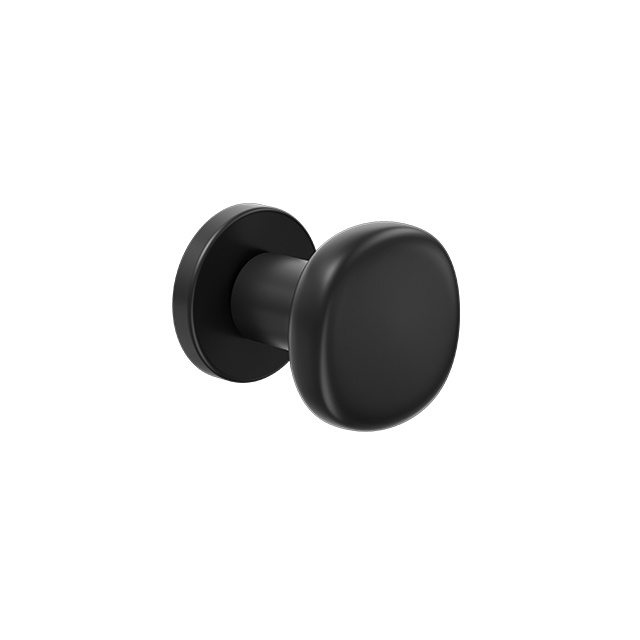
A soft round knob shaped to fit the palm — BIG's tactile companion to their Pencil pull. Natural brass, bronze, chrome, satin gold, graphite.
Olive
An oval knob shaped like an olive pit — Park Associati's organic counterpoint to the geometric DND palette. Seven finishes including matte bronze and satin chrome.
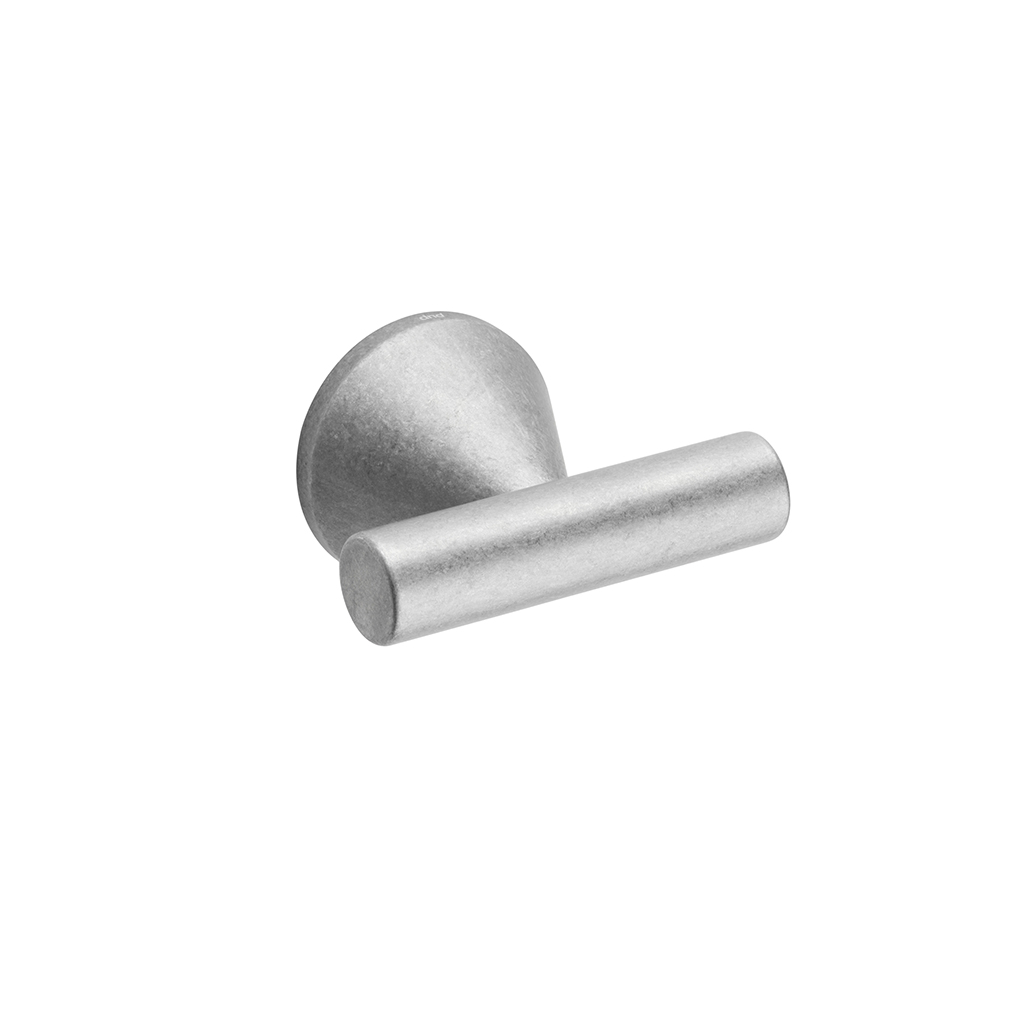
Pencil
The knob pairing for BIG's Pencil pull — a slender, tapered round in six finishes including natural aluminium, satin gold, and bronze.
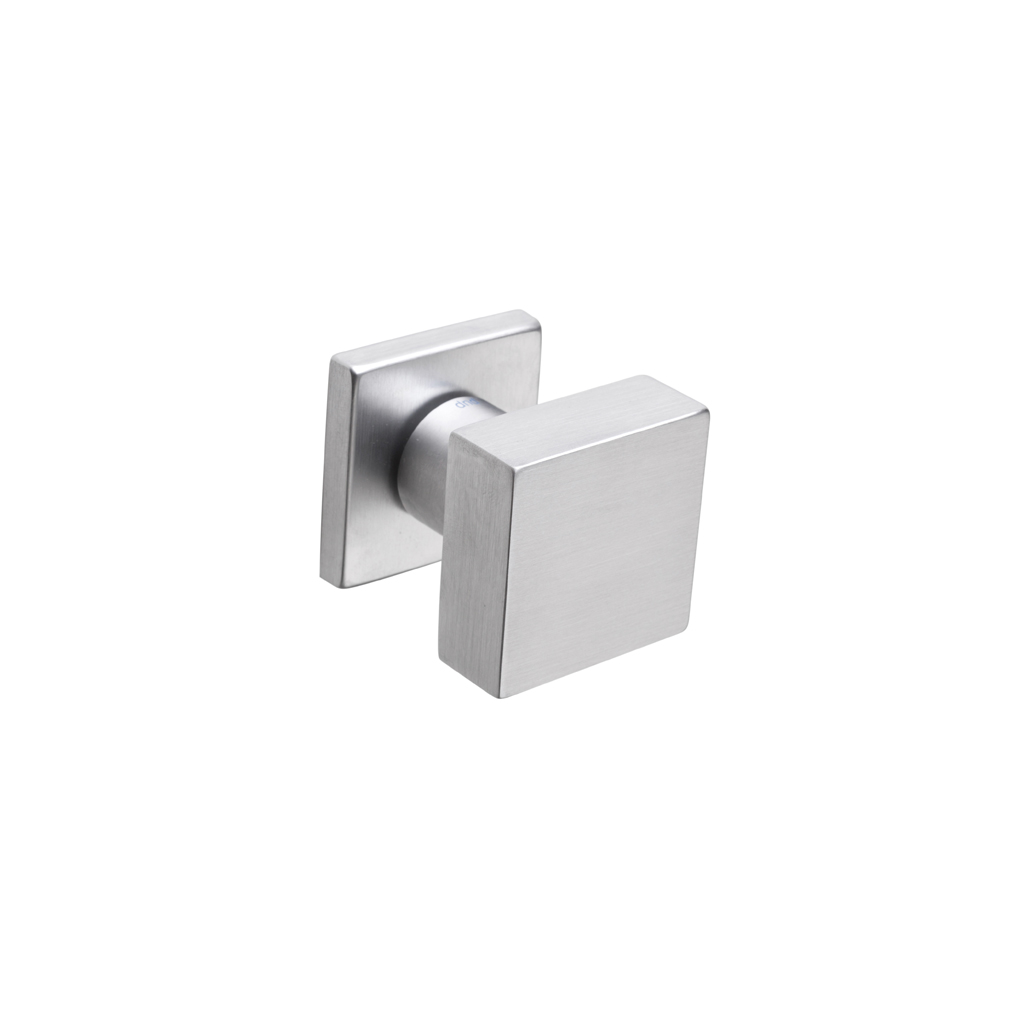
Ring
The knob counterpart to Square's Ring sliding pull — circular outline reduced to its purest form. Multiple PVD and satin finishes.
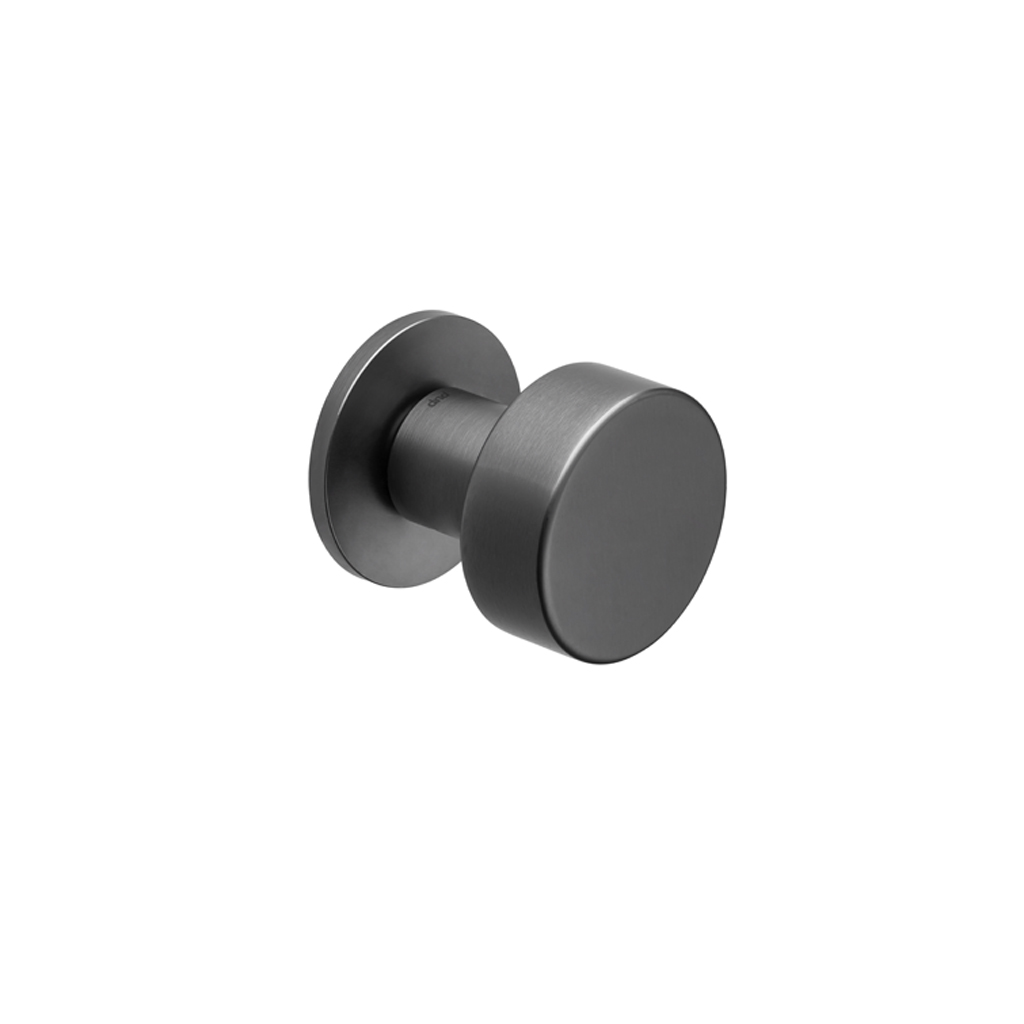
Rondò
The knob version of Rondò — DND's quietest round form, five finishes including polished and satin chrome, graphite, antique satin gold, and copper.
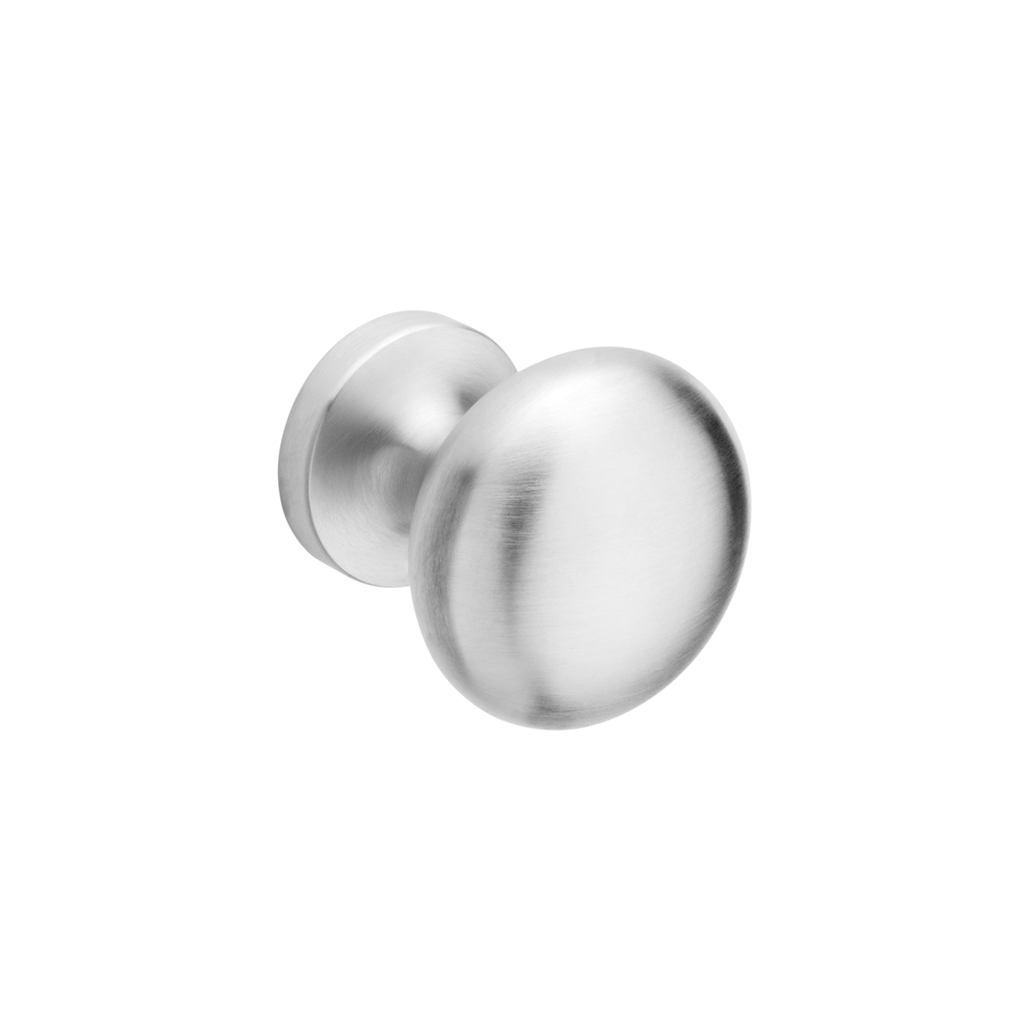
Easy
A simple round knob from DND's technical division — the default specification when a project just needs a good, quiet knob.
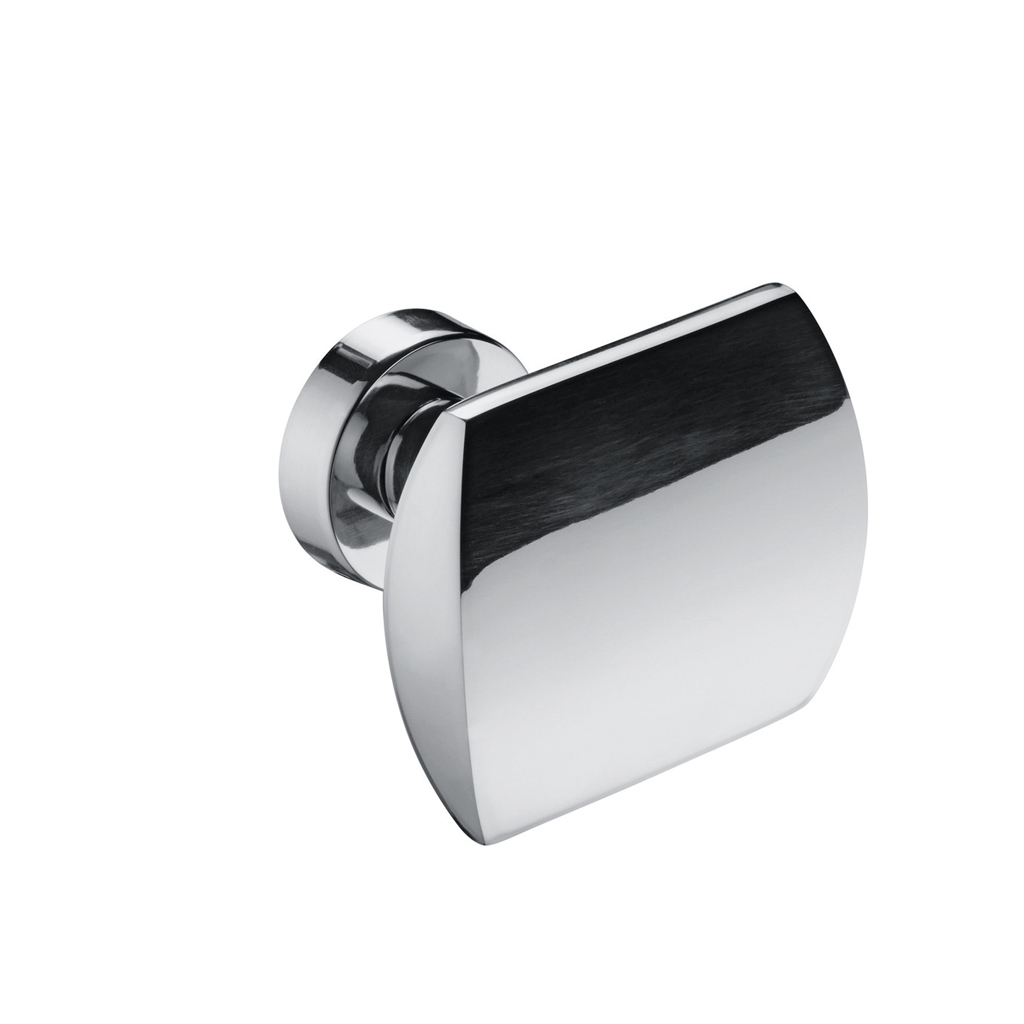
Project
The knob from the Project series — geometric, contemporary, paired across DND's most-specified handle line for matching across an opening schedule.
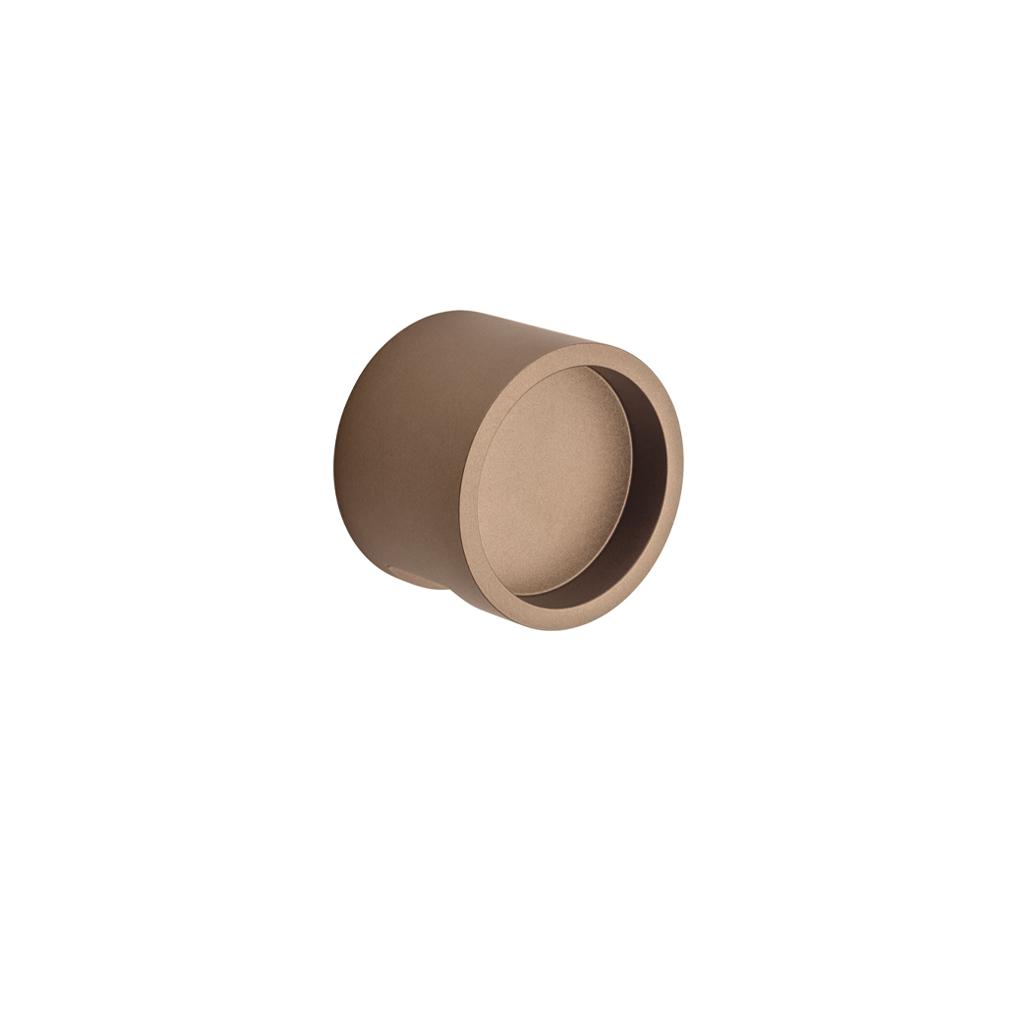
Timeless
A turn-knob in Pisati's most restrained idiom — round, weighted, balanced. Nine finishes including DND's full PVD palette.
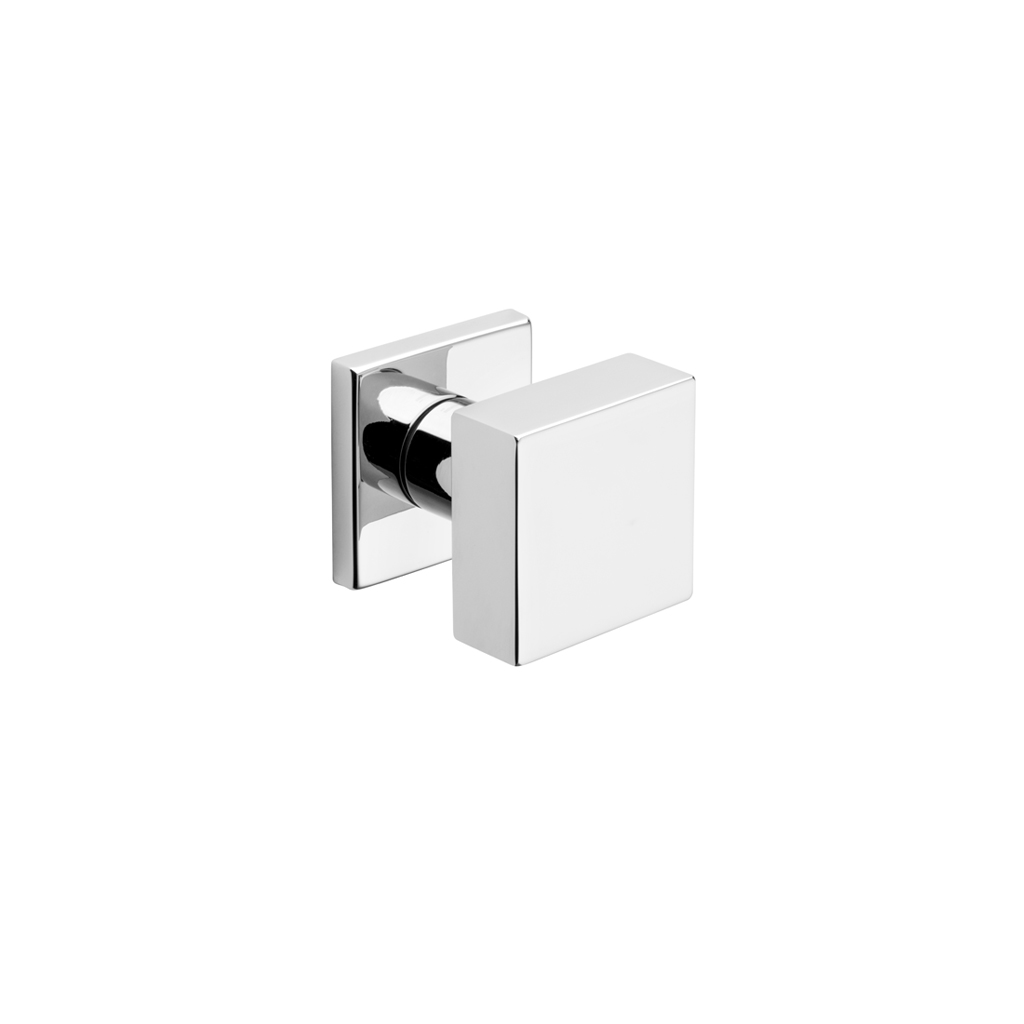
Quadro
A square-faced knob from DND's technical division — geometric counterpart to Easy and Sfera. Polished and satin chrome.
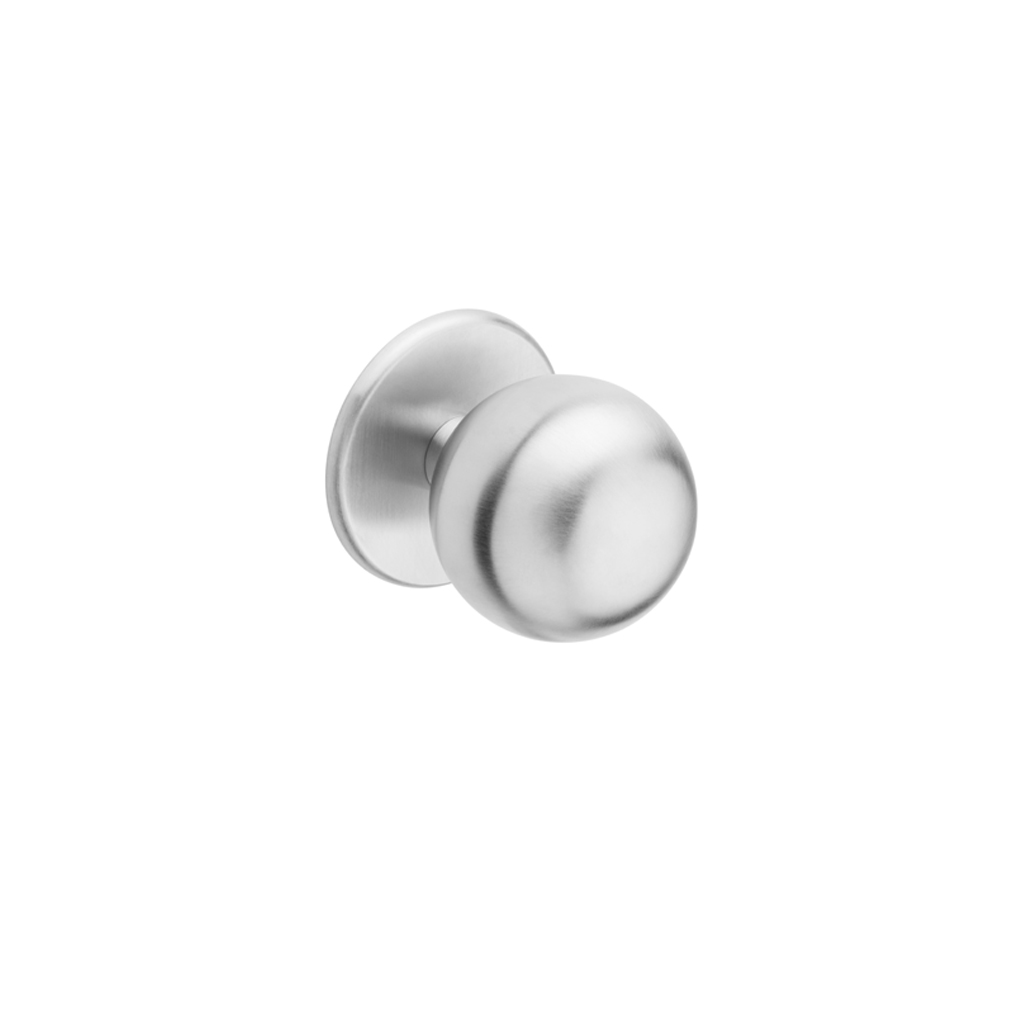
Sfera
A spherical knob — pure geometry. Polished and satin finishes for residential and commercial doors.
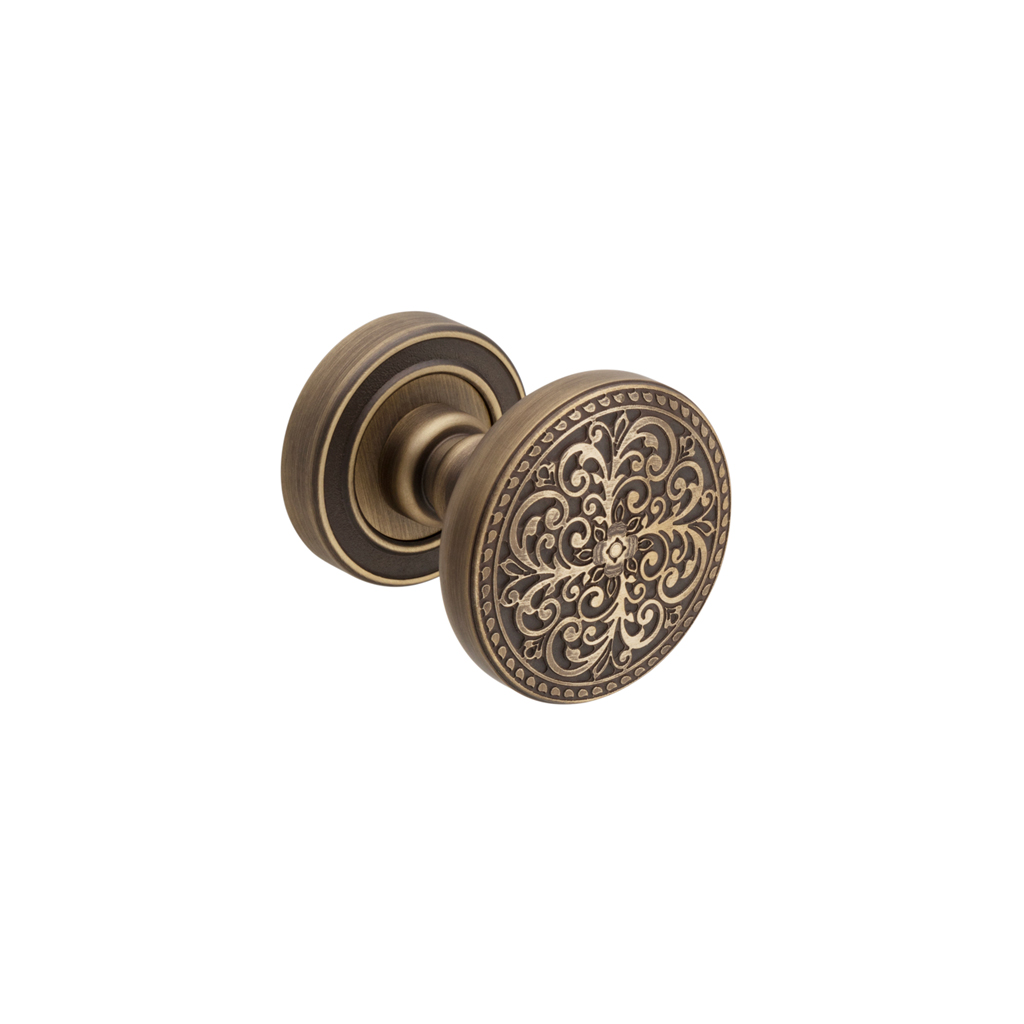
Fiorenza
A traditional round knob in DND's most luxurious finish set — matt satin bronze, polished nickel, and 24K gold-plated.
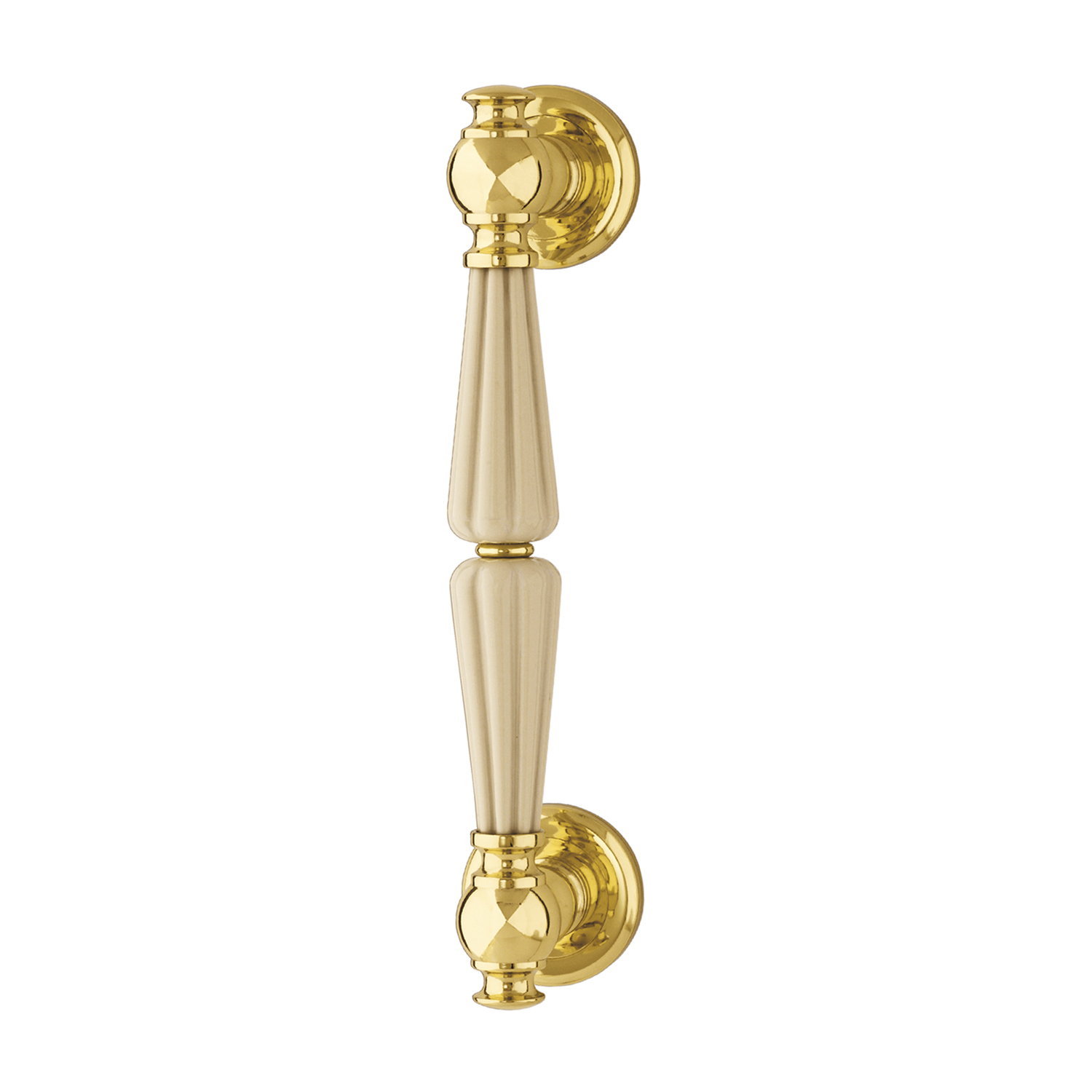
Elisa
A porcelain-and-metal knob from DND's Poggi Mariani Italian-craftsmanship collection — for doors that want hardware that reads as object, not fitting.
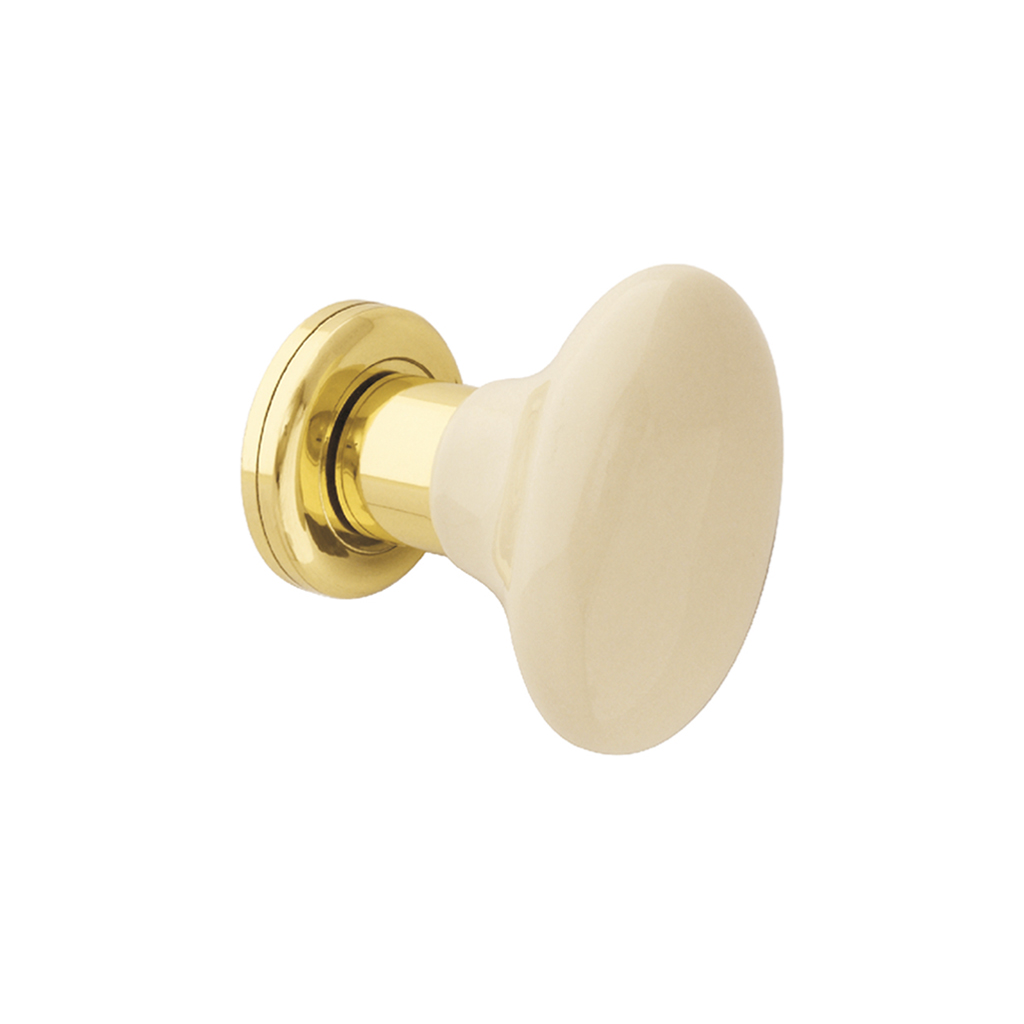
Epoque
A classic-style turn-knob from the Poggi Mariani collection — porcelain and aged-finish metals for period interiors.
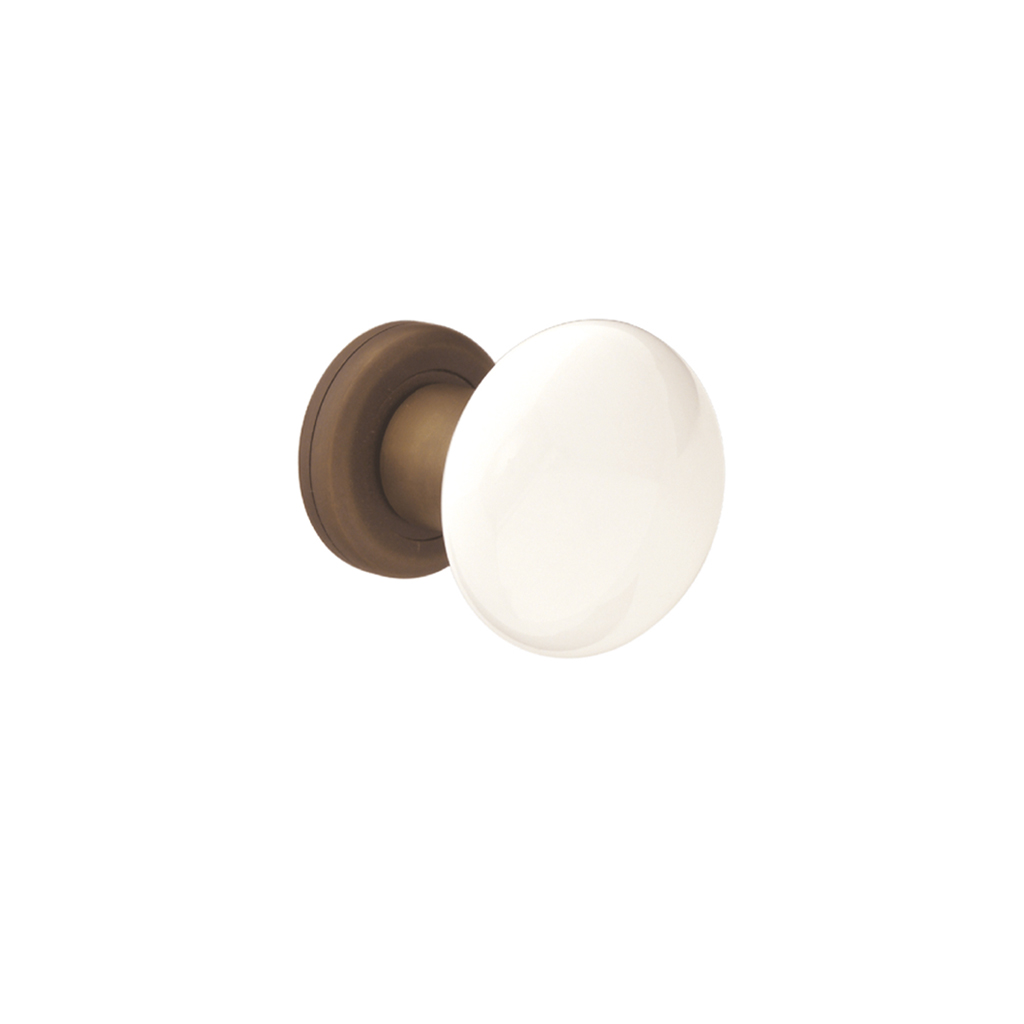
Martina
A round porcelain knob in the Limoges finish — the Poggi Mariani heirloom spec, paired with brass or aged-bronze rosettes.
Portuguese precision in zamak
Two Tupai collections available so far — Privé, with three handle forms on three rosette profiles (round, thin square, full square), and Angulus, the angular line on the 5RE elongated rosette. Portuguese manufacture, family-owned, finished in Tupai's full PVD and satin palette. Click any handle for a configurator to try it in every finish.

Ref. 3957 Privé
The 3957 handle form paired with the round Privé rose. Balanced, classical proportions for interior doors that want the handle to read quietly.

Ref. 3957 5S
The same 3957 lever on the 5S thin square rosette — a modern edge against the same quiet handle profile.

Ref. 3957 5SQ
The 3957 on the 5SQ full-square rosette. The most architectural of the three 3957 variants — paired with flush-frame doors and minimalist casing.

Ref. 4084 Privé
A linear bar-form lever on the round Privé rose. The Privé collection's bestseller and the default when a project just needs a good handle.

Ref. 4275 Privé
A softened geometric form from the 4275 series on the round rosette. Reads contemporary without being severe.

Ref. 4275 5SQ
The 4275 lever squared off — handle and rosette in the same geometric language for minimalist interiors.

Ref. 3099 5RE
The 3099 lever on the 5RE elongated rosette — the original Angulus silhouette, balanced and paired with wider backplates for a traditional casing.

Ref. 4130 5RE
The 4130 Angulus form — a linear bar tapered toward the grip, on the same 5RE backplate. Reads modern without abandoning the rectangular language.

Ref. 4155 5RE
The newest 4155 lever on the Angulus 5RE rosette. A sharper, more contemporary grip — same elongated backplate for the projects that want long, horizontal hardware.
Bars built for large interior doors
Two brands, two roles. Up top, 17 DND maniglioni — designer pulls in solid brass, bronze, steel, and PVD by Jaime Hayon, BIG, Holscher Design, Iacchetti, Castiglioni & Cavaglià, Pisati, Ronchi, Morgante, and Femia — the sculptural end of the catalog. Then 21 Fimet INOX AISI 304 pulls — round, square, slanted, oversize, and three keyed-cylinder variants (Ecuador, Jamaica, Brasile) — for the projects that want stainless. The Aluform A 951 / 961 / 971 entry-door pull families have moved to the Pivot Entry Doors → Handles → Pull Bars sub-tab where they belong.

Pod
A sculpted, softly tapered pull from Copenhagen's Holscher Design — Nordic restraint in an organic, pod-like silhouette.

Eleonora
A refined, gently curved pull by Florentine architect Marco Pisati — classical elegance meeting a contemporary material sensibility.
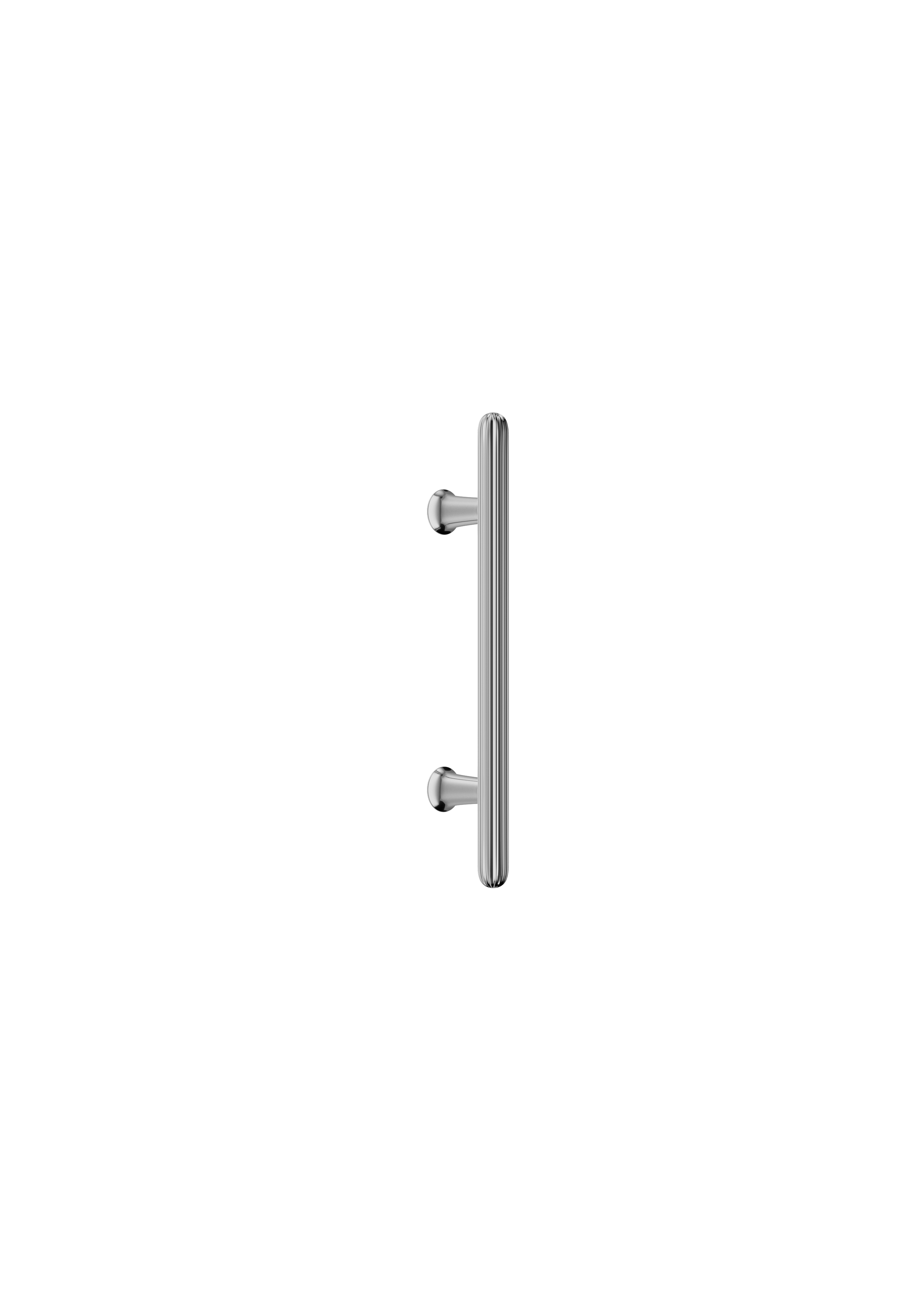
Zeppelin
A plump, aerodynamic pull by Jaime Hayon — its rounded belly echoes the airship namesake with playful sculptural weight.
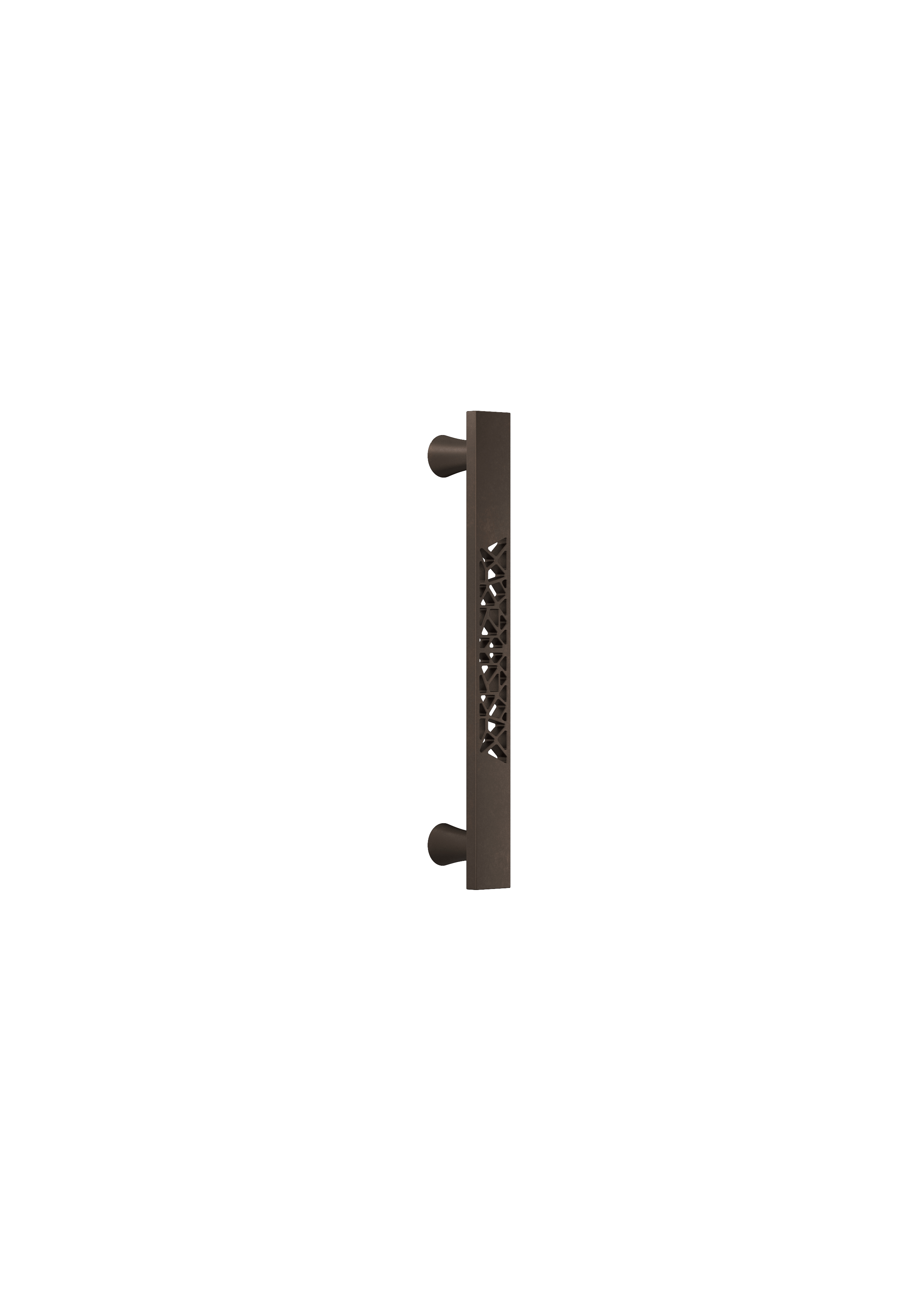
Aretè
A softly rounded pull by Mauro Ronchi — gentle curvature that invites the hand in a reassuringly tactile embrace.

Pencil
A slender, tapered bar by BIG — drawn like a sharpened pencil to distill minimalism into pure line.

(IN)finito
An unbroken linear pull by Alfonso Femia — square profile extended in varied lengths to echo the door's quiet verticality.
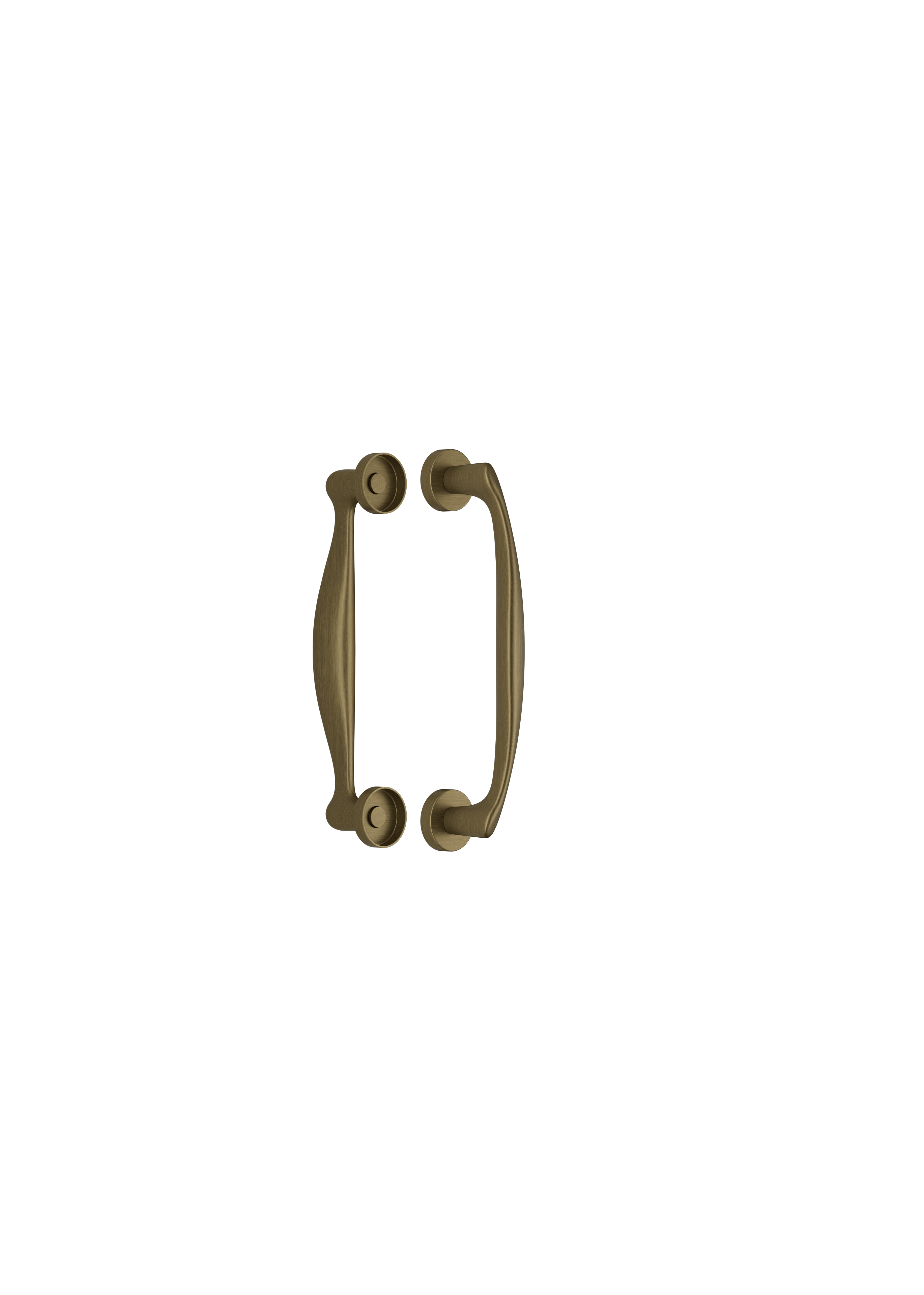
Art
A soft, sculptural round pull by Mauro Ronchi — shaped as an almost brushstroke-like gesture on the door's surface.
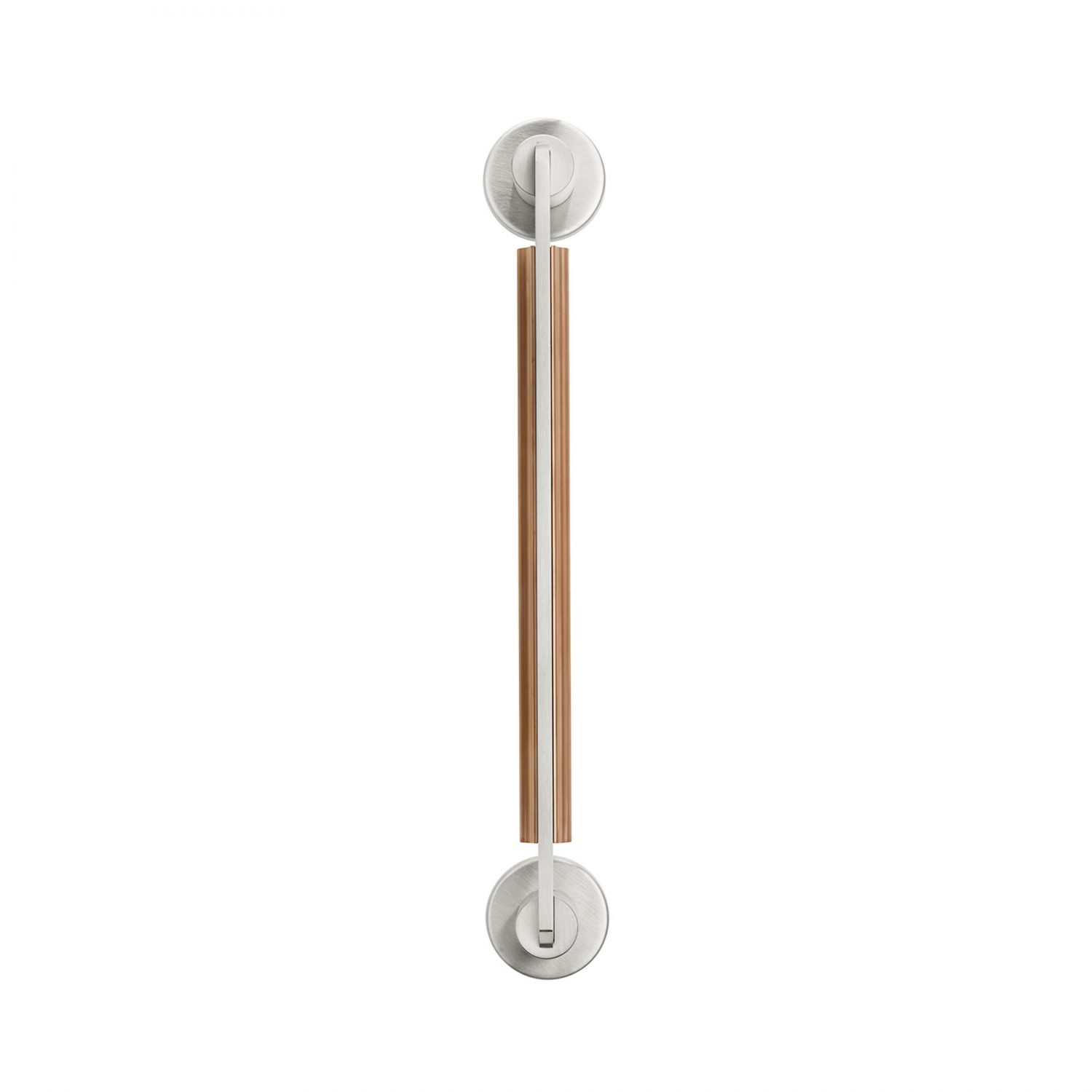
C-1918
A cylindrical AISI 316 steel pull by Castiglioni and Cavaglià, accented with copper PVD inserts — understated Italian-design authority.
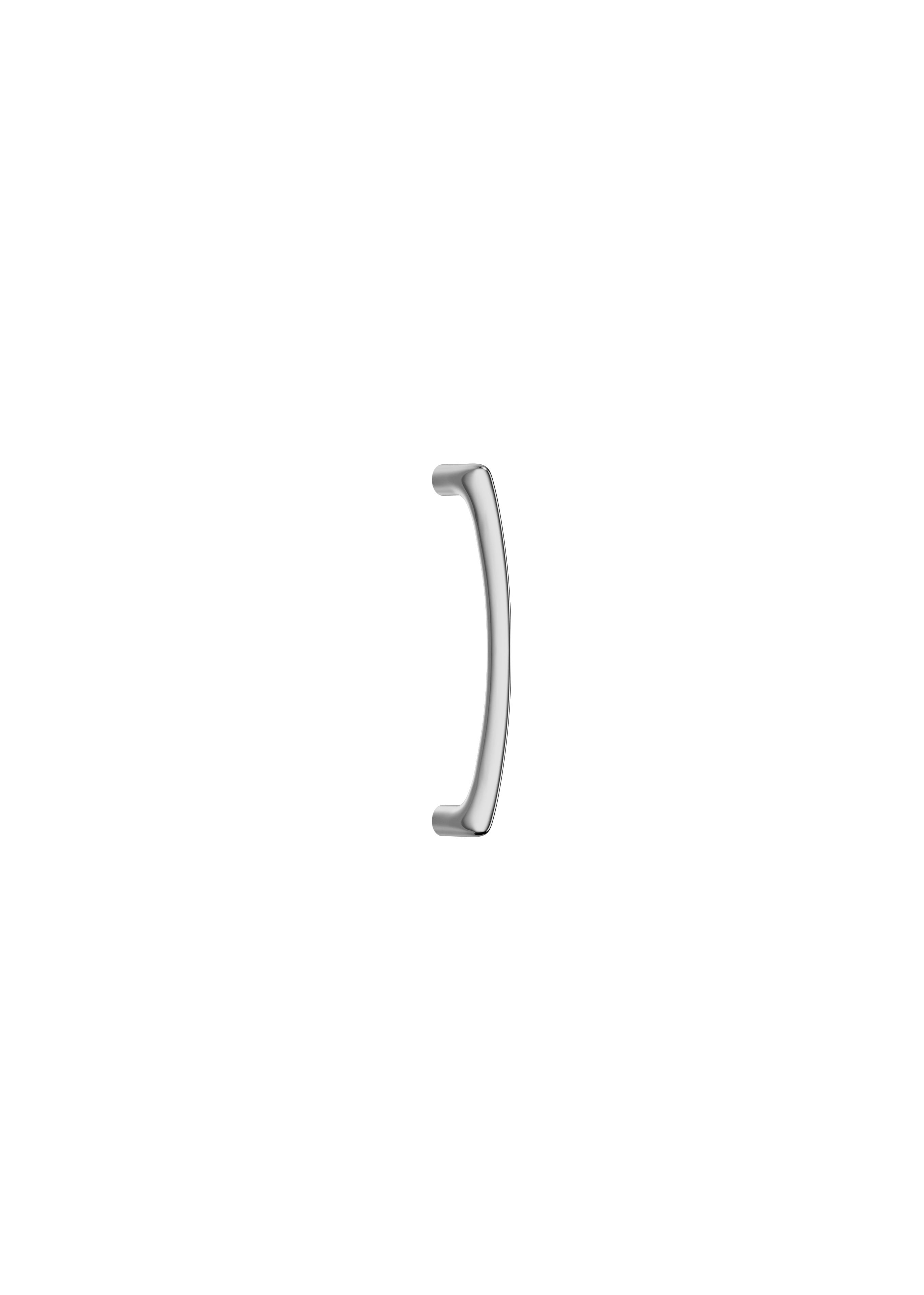
Linear
A pure cylindrical bar on a discreet rosette by Mauro Ronchi — the pull handle distilled to its essential geometry.
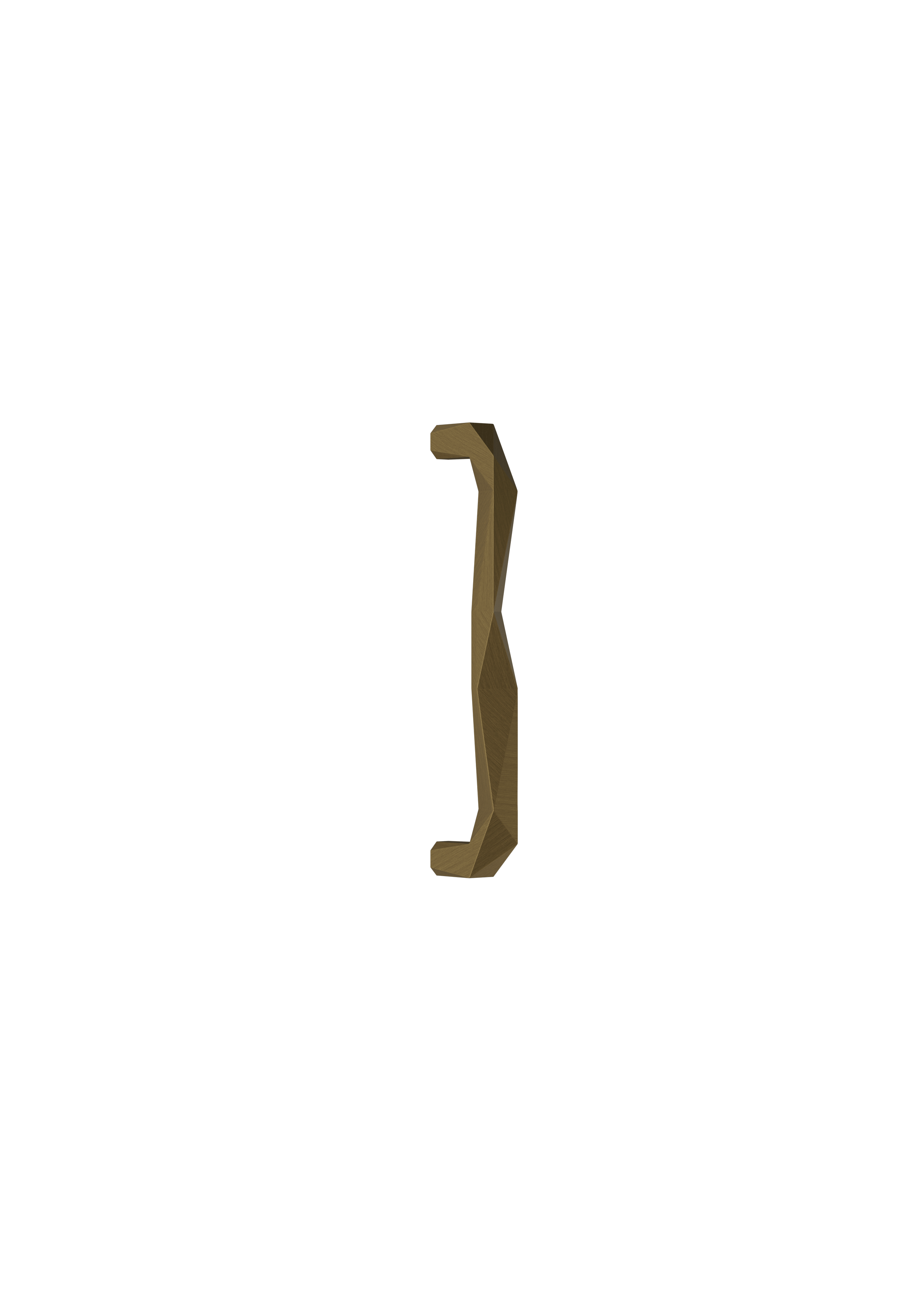
Luxury
A generously rounded pull by Mauro Ronchi with the weighty, jewel-like presence its name promises.

Project
A robust, no-nonsense round pull from DND's technical division — engineered for contract interiors where durability frames the aesthetic.
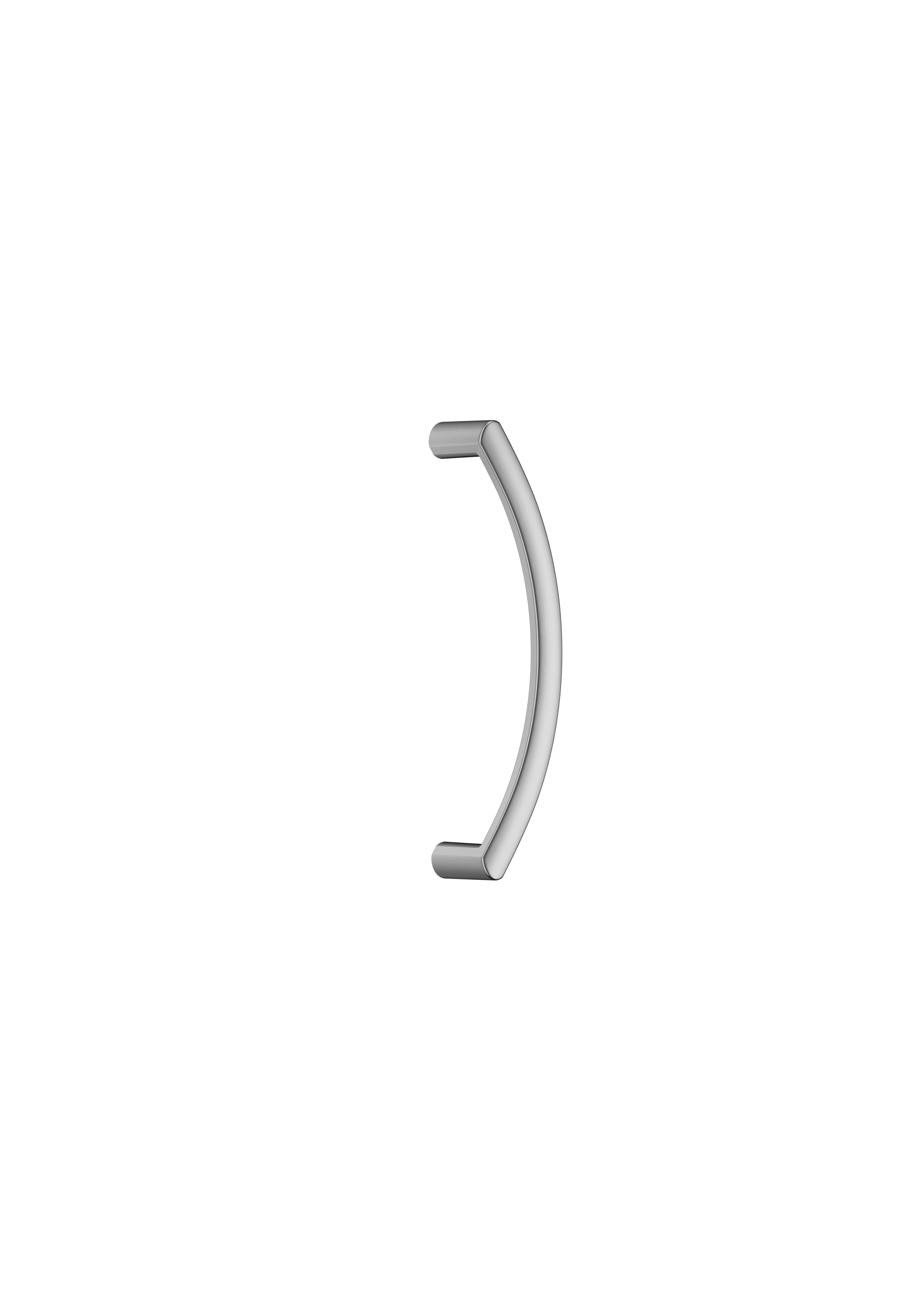
Luce
A clean, lightly arched pull — polished surfaces that catch and release light along its length.

Lucrezia
A softly curved round pull by Marco Pisati — feminine in proportion, richly finished for residential elegance.
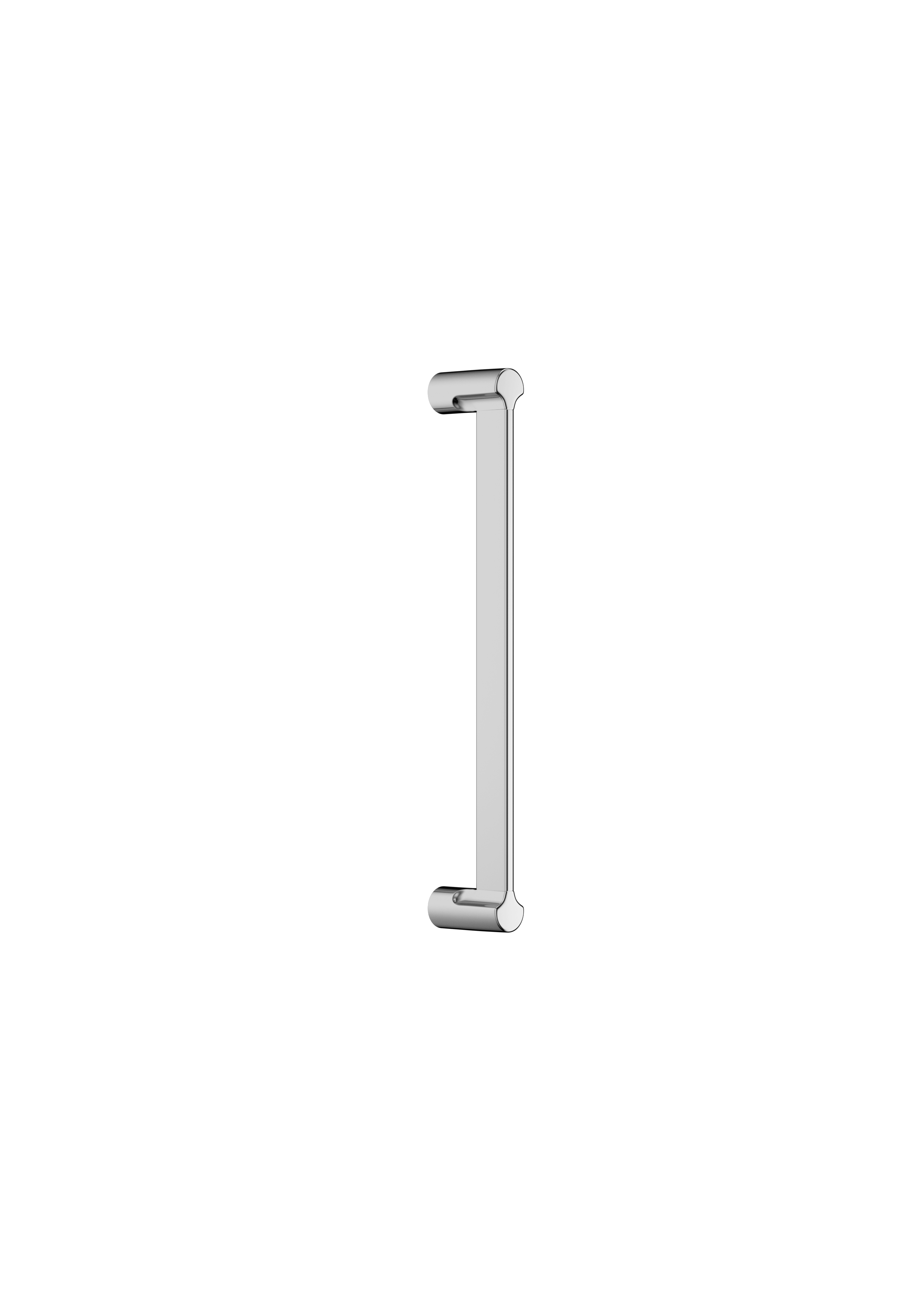
Ginkgo
A slender, naturally tapered pull by Giulio Iacchetti — its organic line recalls the graceful stem of the ginkgo leaf.
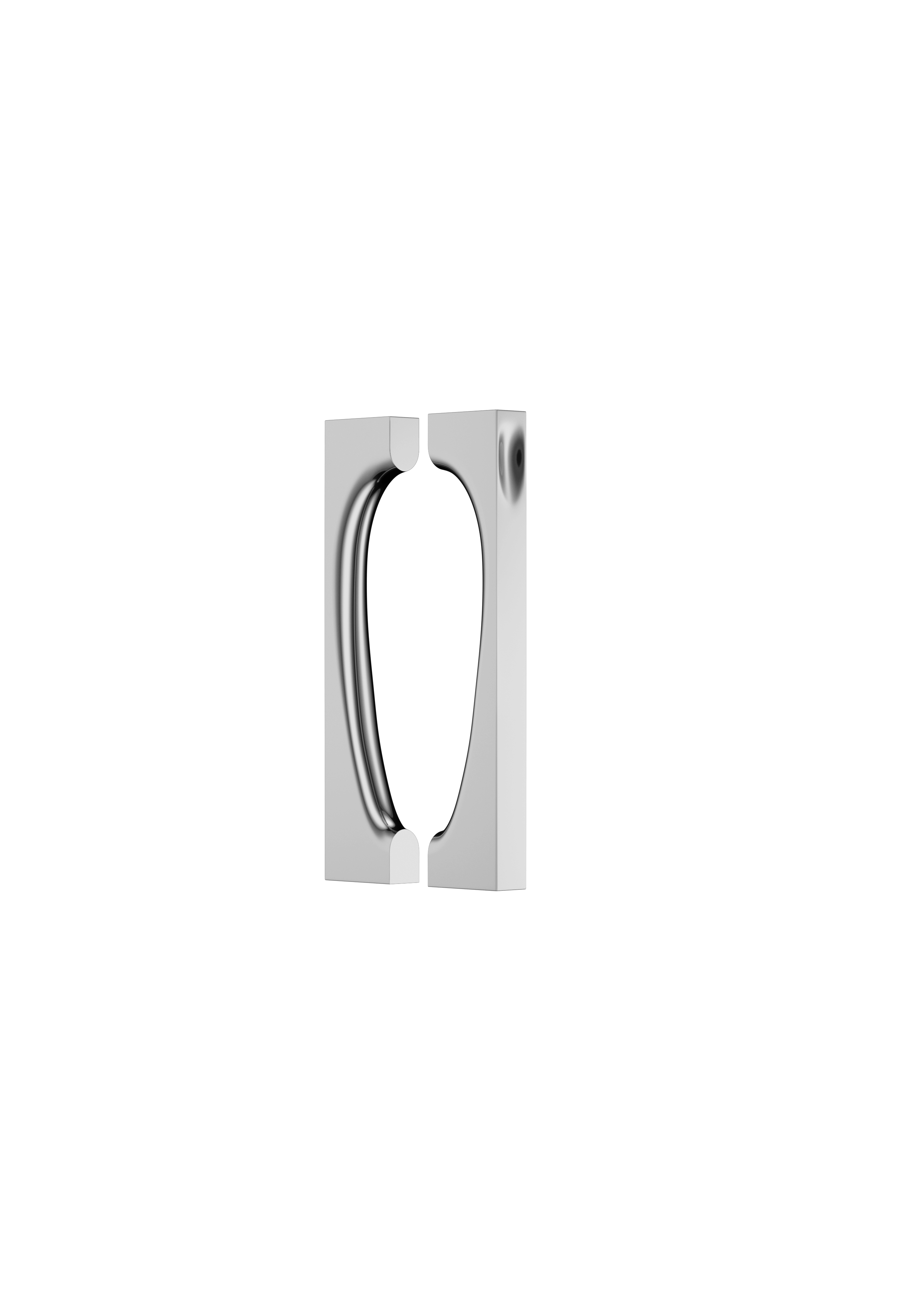
Intake
A crisp square-profile pull by Andrea Morgante — architectural in its angularity, ready for bold contemporary doors.

Latina
A warm, richly finished round pull by Mauro Ronchi — Mediterranean sensibility expressed through tactile bronze surfaces.
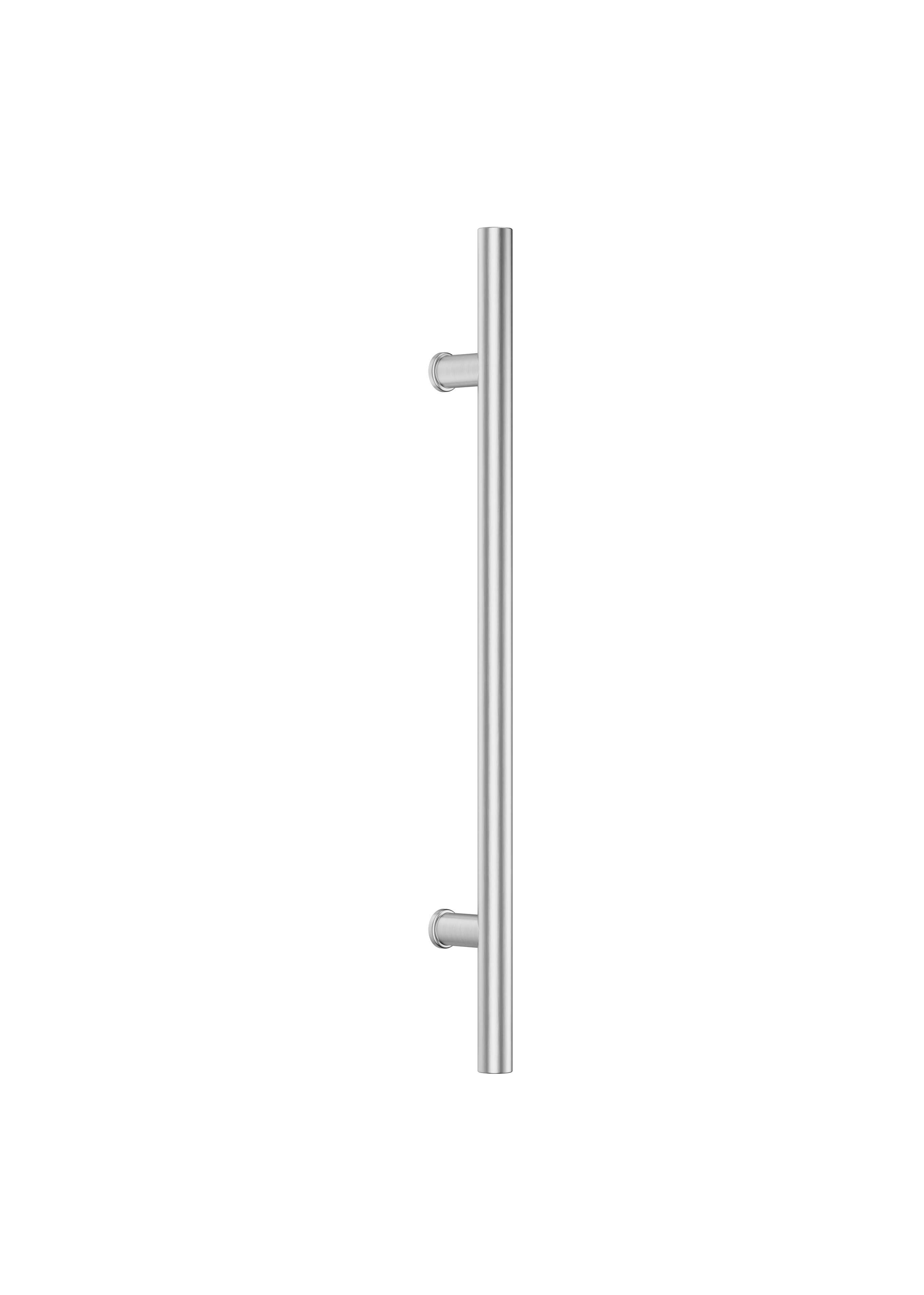
Tube Round
A pared-back cylindrical tube pull from DND's technical division — essential geometry, contract-ready versatility.
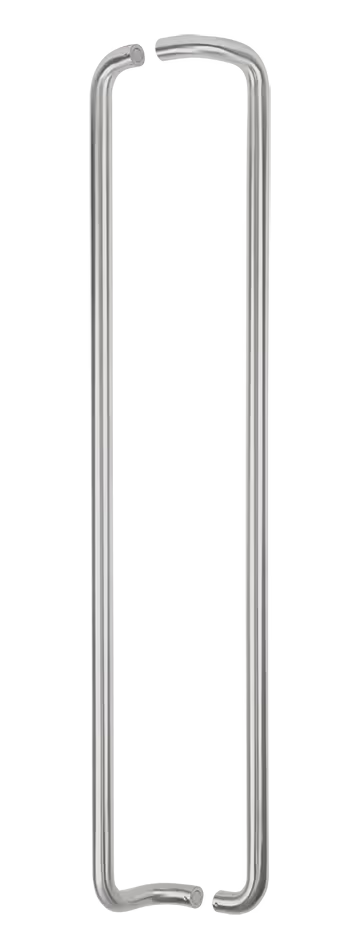
Mississippi
Ref. 842.32 · Ø 32 mm, 1232 mm length, 1200 mm wheelbase. The volume workhorse of the round-profile range. Available as pair, single-right, or single-left.
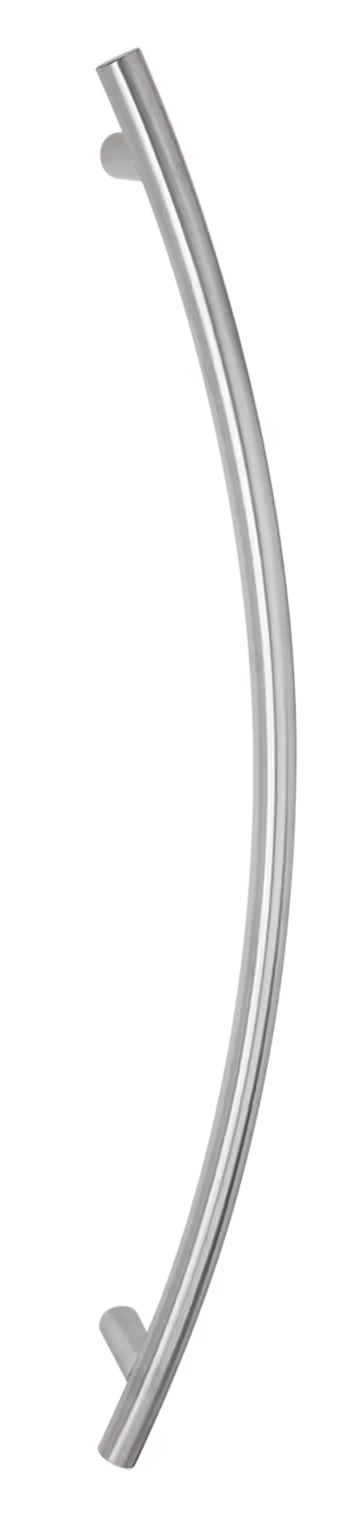
Montana
Ref. 820.30 · Ø 30 mm. A slimmer round profile for residential interior passage doors where the Mississippi reads too heavy.

Arizona
Ref. 800 · Five sizes from Ø 16 to Ø 40. The house's flagship round pull — the default specification when a project says "stainless pull handle, straight".

Arizona 810
The slanted-leg Arizona variant. Same diameters (Ø 25–40), same finish palette, but the supports angle out from the leaf for a distinct visual grip.
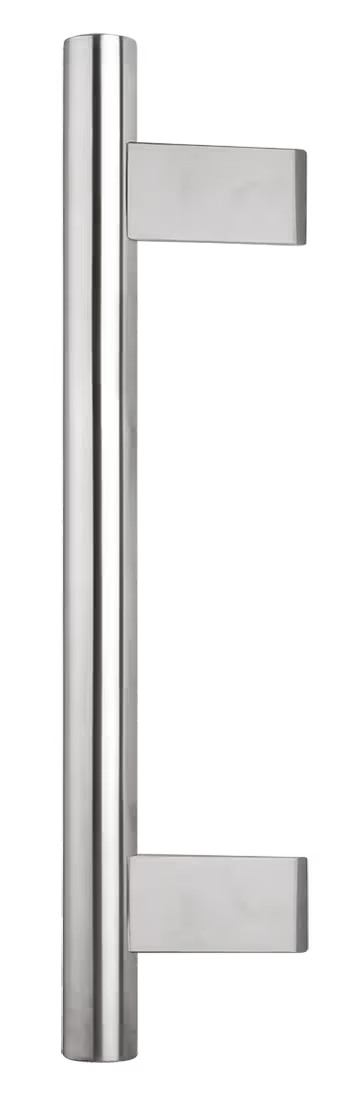
Illinois 860
Ref. 860.30 · Slanted round with interior supports. Ideal for glazed and flush-frame entries where the outside face must stay flush.

Illinois 870
Ref. 870.30 · The straight-support counterpart to the 860. A round pull with interior-only supports for clean exterior faces.
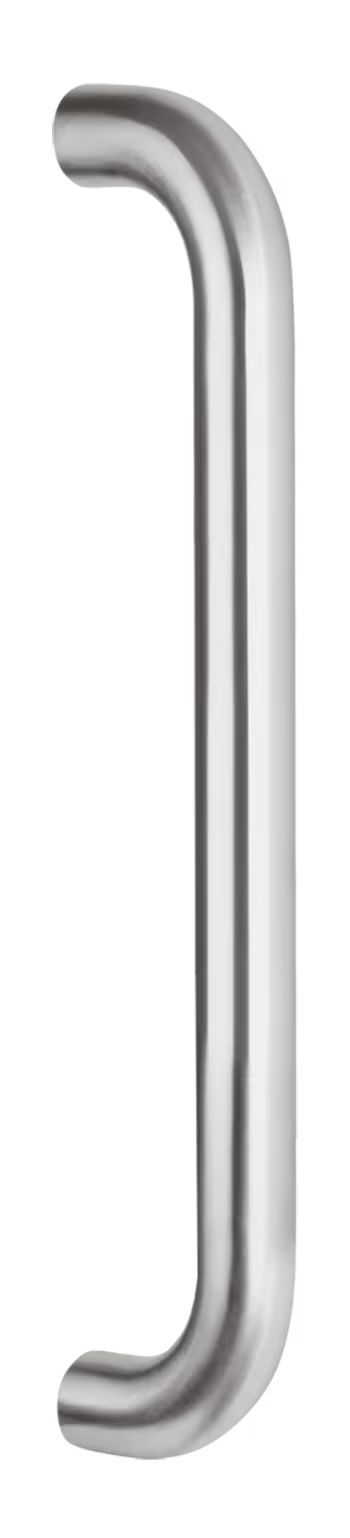
Alabama
Ref. 801 · Three sizes (Ø 20, 25, 30). A mid-profile round with flared hemispherical end caps — the detail that separates it from Arizona.
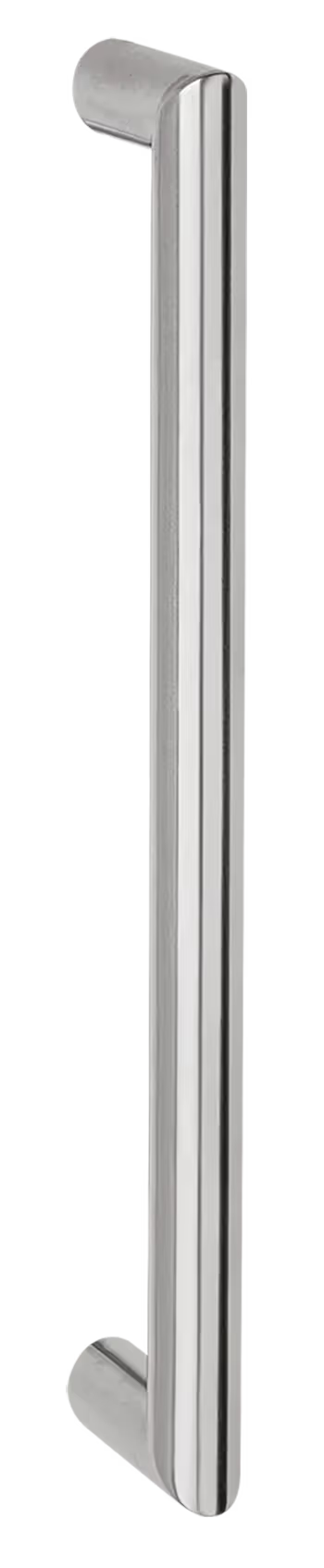
Georgia
Ref. 802 · Two sizes (Ø 20, 25). A tapered round that reads softer than Arizona — the quieter of the two for residential entries.

Mississippi Q
Ref. 842Q.3825 · The square-profile Mississippi. 38 × 25 mm section — the hardware you want when the door uses square hinges and a square cylinder rose.
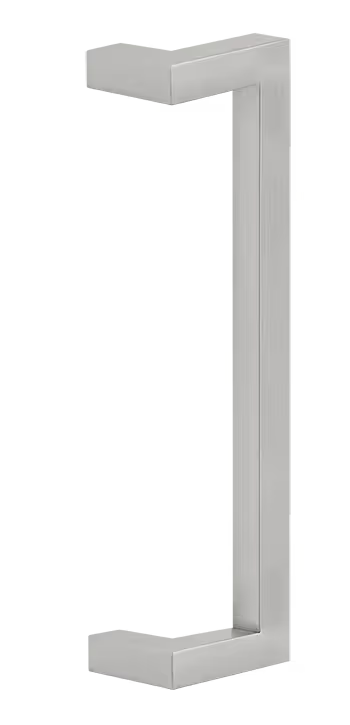
Nevada Q
Ref. 838Q · A chunkier square pull with rounded corners. The in-between option between the minimal Mississippi Q and the heavy Texas.
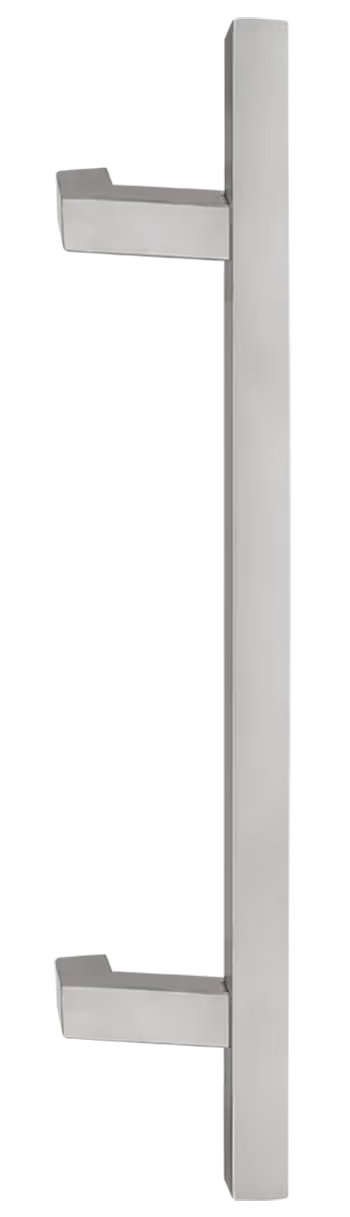
Panama
Ref. 821.25 · A rectangular ring profile — a variation of Georgia with chamfered external corners. Distinctive on flush-face doors.

Texas
Ref. 831 · Three sizes (20, 25, 30). The definitive square pull for heavy contemporary entries — thick section, flat external faces, minimal chamfers.
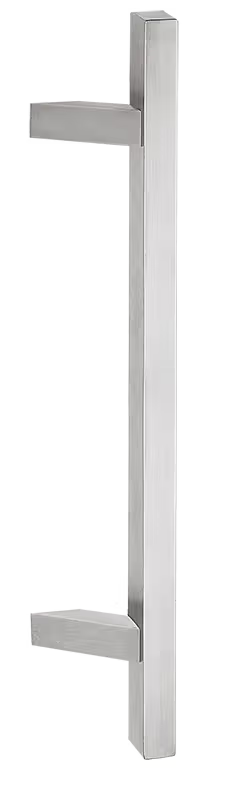
Texas 831Z
The slanted-support Texas. Z-bend geometry pulls the grip off the leaf for a more pronounced tactile line.
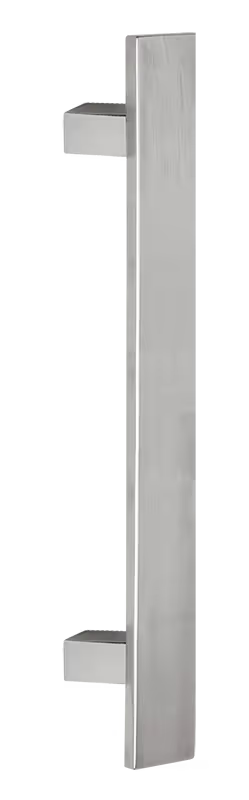
Colorado
Ref. 841S · Square section with tapered-square supports. Sibling to Texas but with softened structural geometry — reads refined rather than industrial.
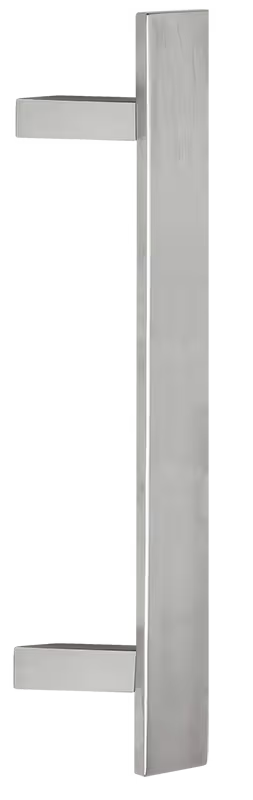
Oregon
Ref. 841Z · The slanted Colorado. Angled supports meet the square grip at the leaf face — a quiet architectural touch on contemporary entries.
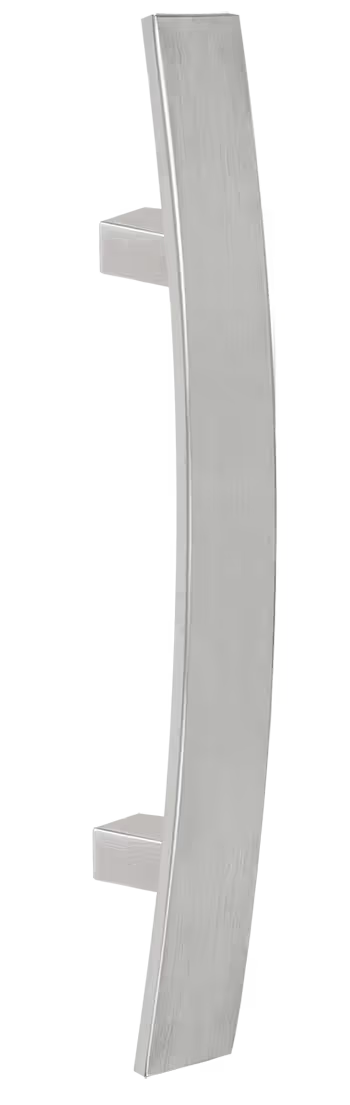
Florida
Ref. 841C · A tapered-conical profile — the grip thickens toward the centre. Best on solid-panel entries where a visual hierarchy at the handle reads intentional.

Georgia Q
Ref. 802K · Two sizes (20, 25). The square-profile Georgia — a tapered square section for the project that wants Georgia's proportions in a harder geometry.
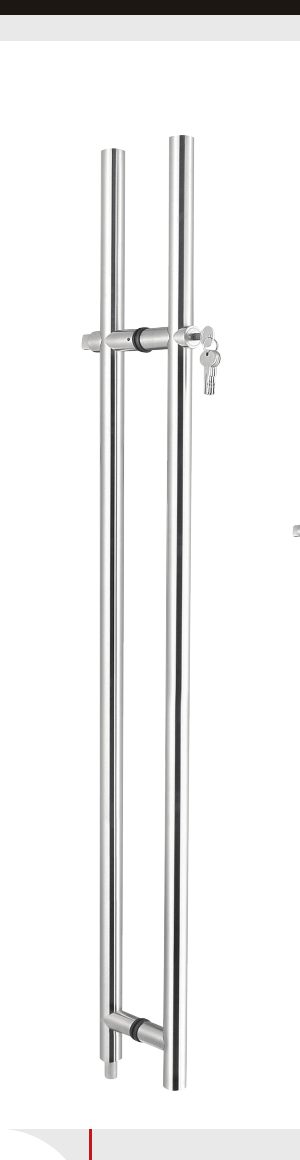
Ecuador
Ref. 850.35 · Ø 35 mm full-height pull with integrated keyed cylinder. Three finish options: Satin, Polished, Matt Black. Includes a floor pin for the strike.

Jamaica
Ref. 851 · Round pull with integrated cylinder at the centre rather than the end — the keyed lock reads as part of the grip.

Brasile
Ref. 852 · The square counterpart to Ecuador — full-height square pull with integrated cylinder. For entries that specify Texas or Colorado hardware elsewhere on the leaf.
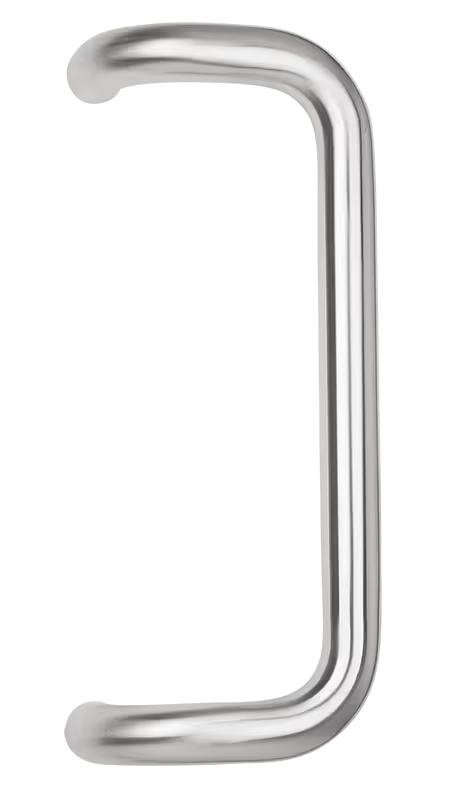
Nevada 830R
Ref. 830R.32 · Ø 32 mm. The oversize round option — longer wheelbases (up to 3500 mm on custom) with two or more intermediate supports. Specified for oversize pivot entries.
The full sliding-door catalog
Two brands, two roles. Up top, 10 DND sliding-door handles — the designer-led end, including Giulio Iacchetti's Ginkgo Tonda and Ginkgo Quadra and the technical-division Master, Quadra, Rondò, Ring, Tonda, Noxia, and Rettangolare series. Then 23 Tupai sliding-door pulls — the flush 4181 family in passage, BB, PZ, and WC variants, pull-to-embed handles, magnetic pulls, spring-cover plates, and WC button sets. Sit flat in the leaf, pulled forward by the hand or magnet. Specified for sliding, pocket, and barn-door installations. Click any handle for a configurator to try it in every finish.
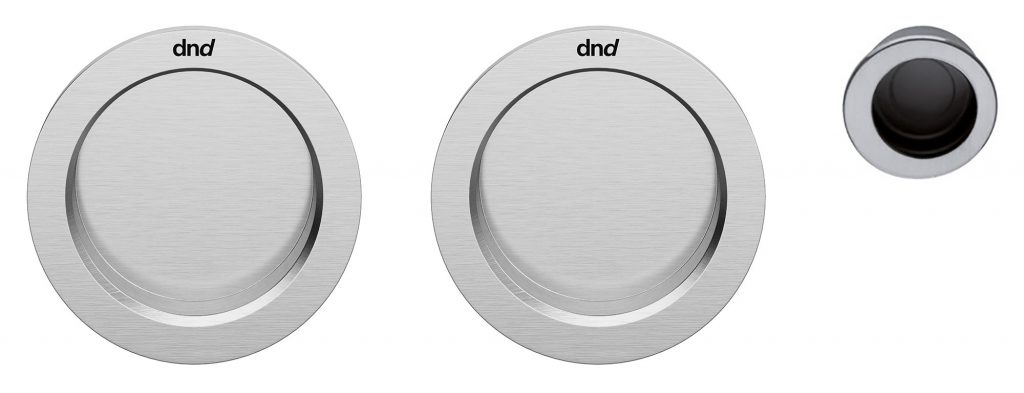
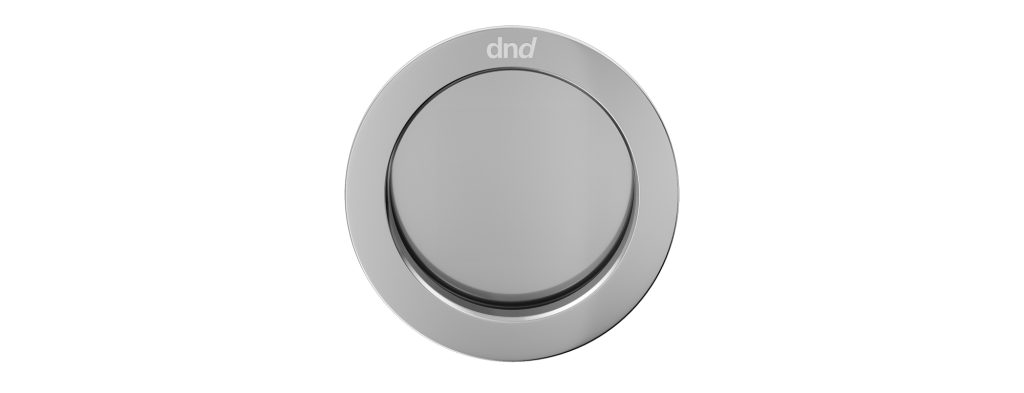
Ginkgo Tonda
The round flush plate from Iacchetti's Ginkgo family — the leaf reduced to a circle, recessed into the sliding leaf. Chrome, satin, white, black.
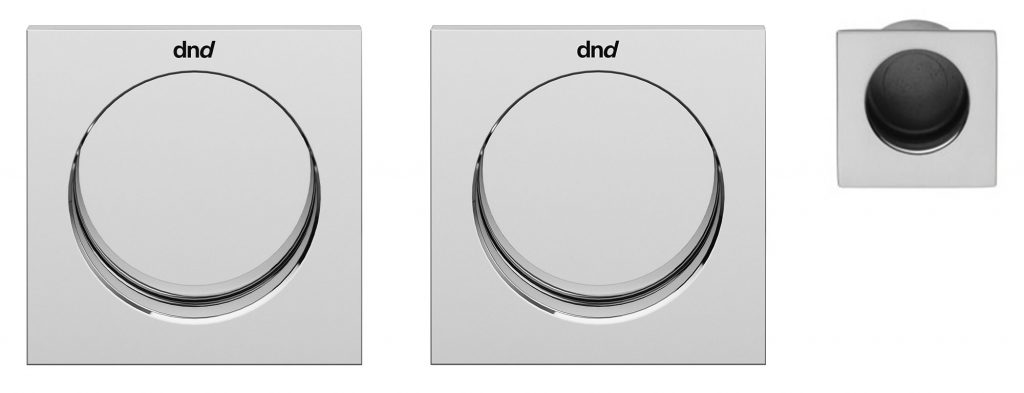
Ginkgo Quadra
The square-plate counterpart to Ginkgo Tonda — same designer, same family, geometric face for square-rosette systems.
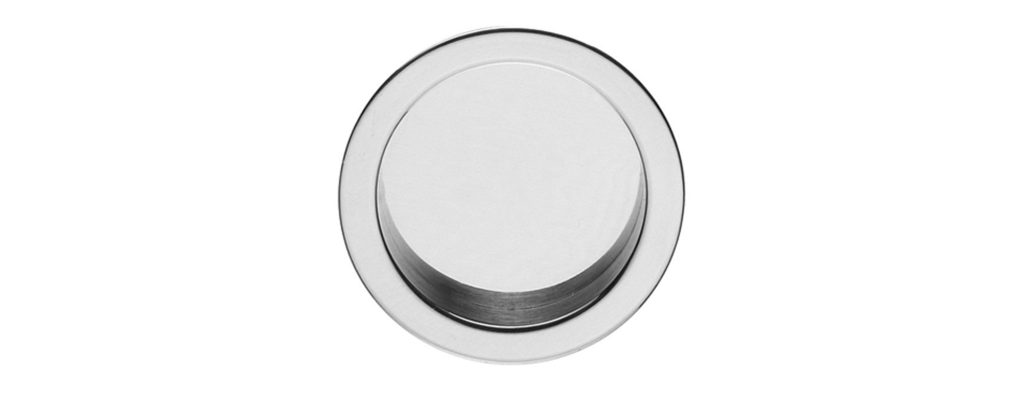
Master Tonda
A wider, deeper round flush plate — DND's Master series for projects that want a more emphatic recessed pull. 18 finishes including PVD.
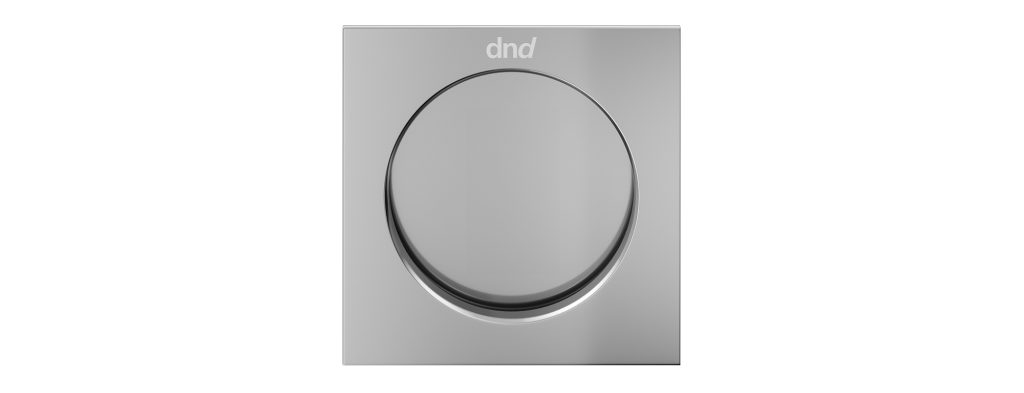
Master Quadra
The square-plate version of Master Tonda — same emphatic recessed pull, geometric face. 17 finishes including PVD coatings.
Tonda
The compact round flush plate — narrower face than Rondò, six finishes including bronze and satin chrome.
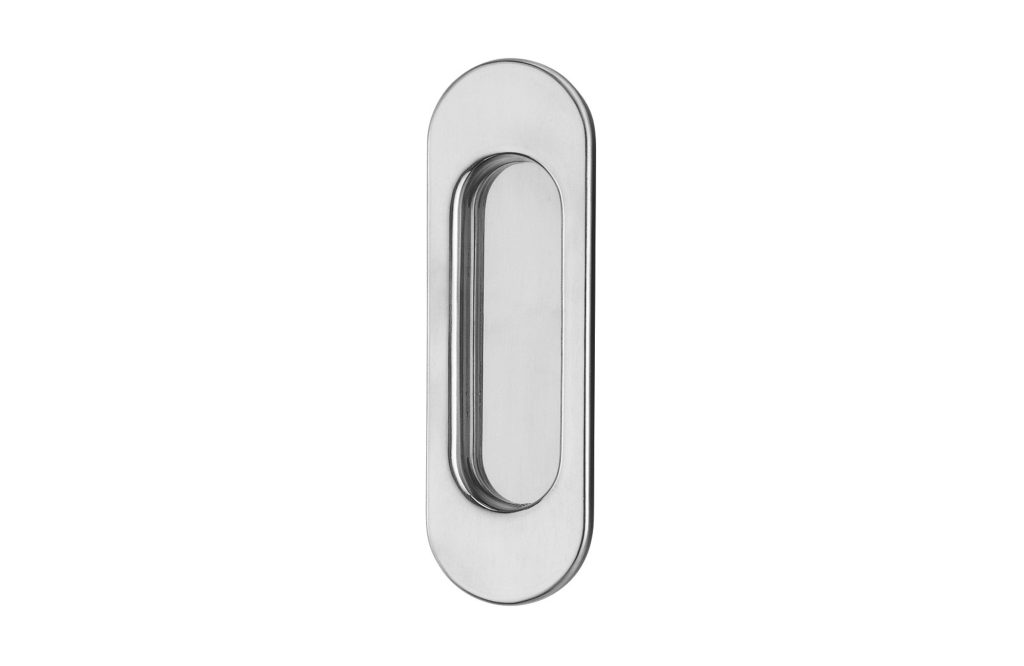
Noxia
A round sliding-door handle in six finishes including bronze and chrome — DND's quieter take on the recessed-pull format.
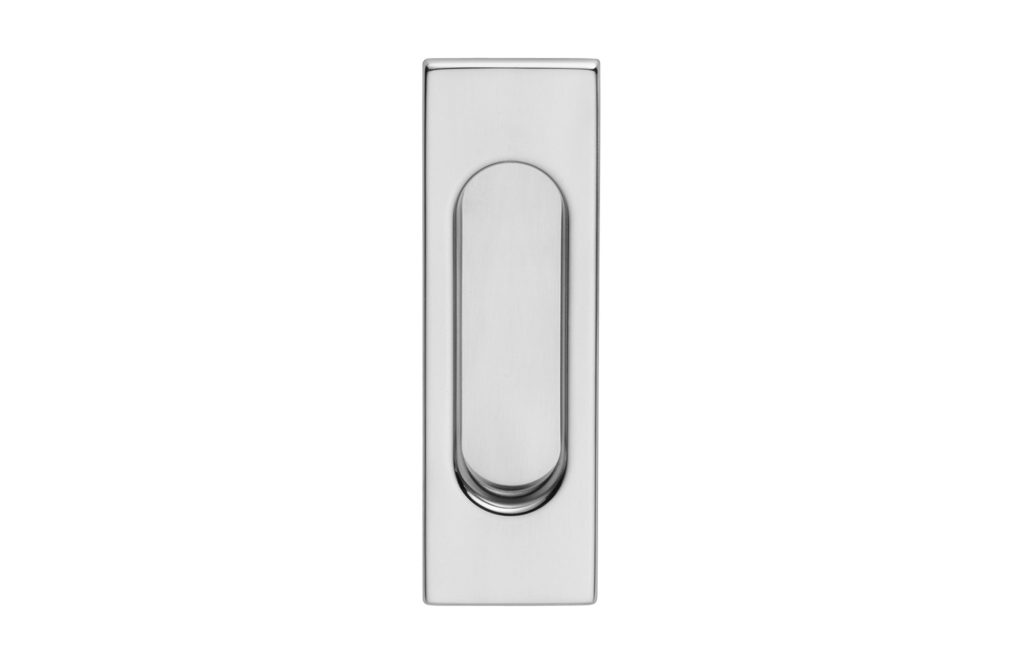
Rettangolare
A long rectangular flush plate — the elongated face for taller leaves and full-height sliding panels. Chrome, satin, white, black.

Ref. 4181
Tupai's newest flush-mount pull for sliding and pocket doors — passage version with no lock entry. The cleanest read in the line.

Ref. 4181 BB
The 4181 flush pull with a bathroom-bolt entry — same architectural face, locking version for bedroom and study doors.

Ref. 4181 PZ
The 4181 with a euro-cylinder (PZ) entry — for sliding doors that need a keyed lock without breaking the flush face.

Ref. 4181 WC
The 4181 in the WC configuration — turn-button entry on the inside, slot release on the outside, for sliding bathroom doors.

Ref. 4181 WC Free/Occupied
The 4181 WC with a free/occupied indicator window — the hospitality and shared-bath specification.

Ref. 4053
A square-faced flush pull for interior sliding doors. Available across the full Tupai PVD and satin finish palette.

Ref. 4052
A pull-to-embed handle that reads as a single shape recessed into the leaf — the round counterpart in the same family as 4053.

Ref. 1697
A discrete pull-to-embed for furniture and sliding doors, mounted with double-sided tape — for retrofit jobs that can't take a router.

Ref. 1696 / 2639 / 2651
A long-running flush-handle family for sliding doors, available in three sizes and across the satin and PVD finish range.

Ref. 1695
A compact flush handle for sliding and interior doors — same logic as 1696, narrower face.

Ref. 2650
A magnetic-action pull — the handle face stays flush until the magnet snaps it forward into the hand. Concealed mechanics for the cleanest spec.

Ref. 2187
A small pull-to-embed for furniture and sliding doors. Tape-mounted, no rebate required.

Ref. 1666 / 1667 / 1668
Three sizes of the same pull-to-embed family — for furniture, wardrobes, and sliding interior doors.

Ref. 3076
A rectangular flush handle with a sprung cover — sits flat in the leaf, hinges open when needed.

Ref. 3075
The oval-faced version of 3076 — same sprung-cover mechanism, softer outline.

Ref. 3078
A full-square flush handle with sprung cover — the most architectural face in the spring-cover series.

Ref. 3077
The round version of the spring-cover series — circular face, same recessed mechanism.

Ref. 4127
A modern flush handle for furniture and sliding doors — a long, narrow recessed pocket pull.

Ref. 4129
A larger flush handle in the 4127/4129 series — same recessed-pocket logic, longer face for taller leaves.

Ref. 4126
A round flush pocket pull in the 4126/4128 series — for furniture, sliding doors, and built-ins.

Ref. 4128
A square flush pocket pull — same recessed format as 4126, geometric face.

Ref. 3858
A WC button set — the round turn-button + slot-release pair that completes the sliding bathroom-door lock spec.

Ref. 3857 Q
The second square WC button set — pairs with 3854 Q across the square-plate sliding-lock family.
The hardware that makes the door work
Locks, hinges, and closers we specify alongside our doors. AGB's mechanical, electronic, and magnetic-catch lock bodies cover the full interior catalog — Polaris for standard doors, Opera Twin and iControl for hotels, Wave for the new generation of magnetic mortises, Touch for silent passage doors, Centro for fire-rated leaves, Scivola Tre for sliders. AGB's Eclipse concealed hinges handle our CB doors; Simonswerk AN-series handles our GD invisible and fire-rated doors; Assa Abloy DC-series closers cover surface and concealed installations.
For swing, sliding, fire, and hotel doors
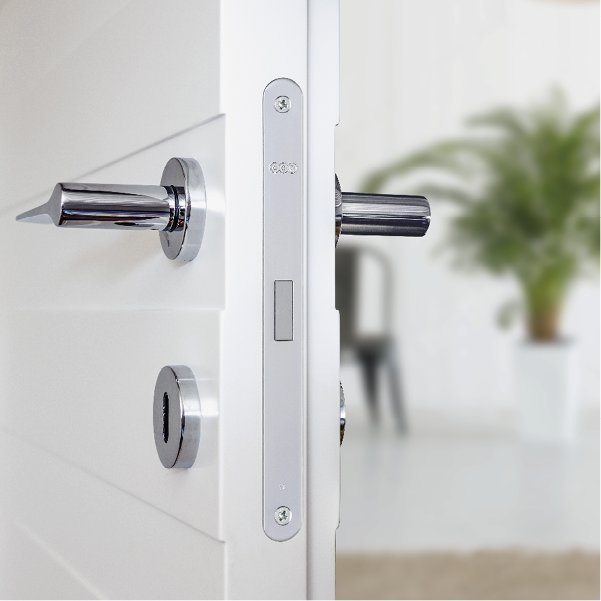
Polaris 2XT
AGB's standard mechanical mortise lock for interior swing doors. Latch + deadbolt, BB / PZ / WC variants. The default body on residential interior leaves.
View specs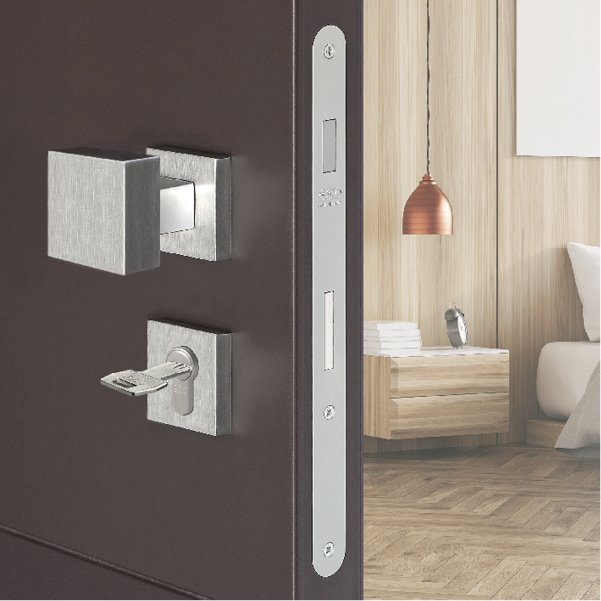
Opera Twin
Fire-resistant mechanical hotel lock. Master-keyed cylinder system, anti-panic egress, certified for use on rated leaves. Specified on hotel and multi-family corridors.
View specs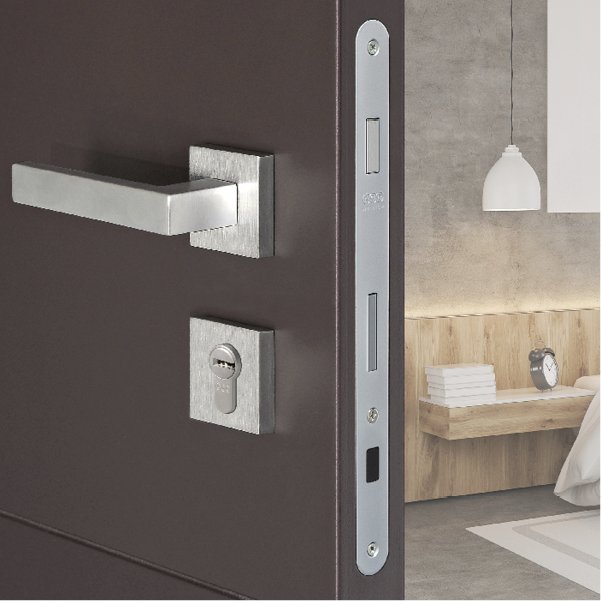
Opera iControl
Electronic version of Opera. RFID card, mobile-key, and PIN access in a fire-rated body. Bluetooth audit trail and battery-powered — no wiring to the leaf.
View specs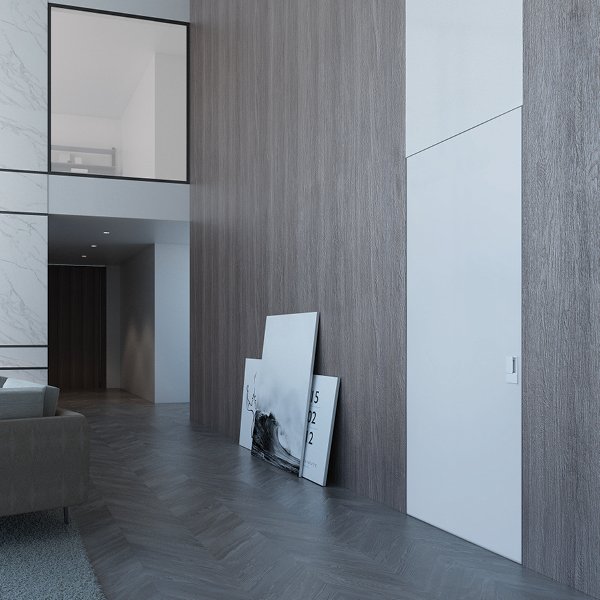
Wave
New-generation mortise lock with a magnetic latch — silent close, no spring noise, full BB / PZ / WC variants. The quiet upgrade over Polaris.
View specs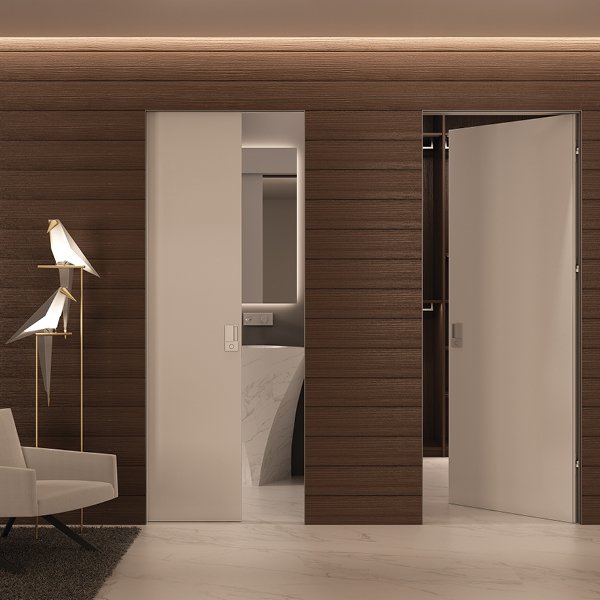
Wave Sliding
Wave's magnetic technology in a sliding-door lock body — pocket and barn-door compatible, with WC and PZ entries for sliders that need a real lock.
View specs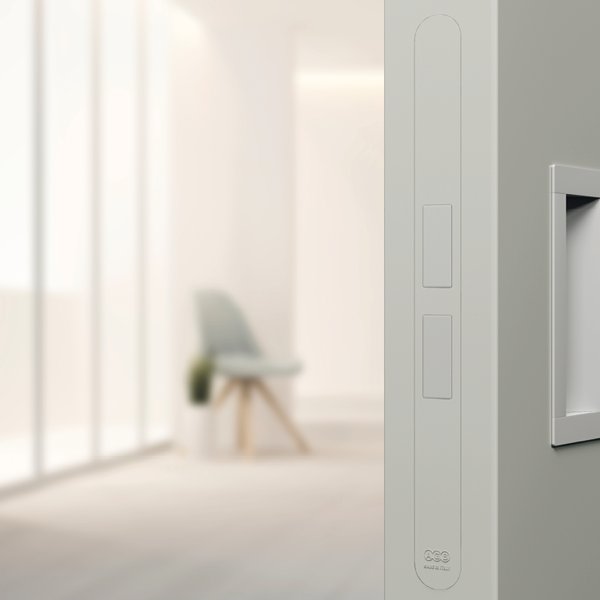
Touch
Silent magnetic catch — no latch, no lock. The handle returns to position with a magnet rather than a spring. Specified where doors stay closed but never lock.
View specs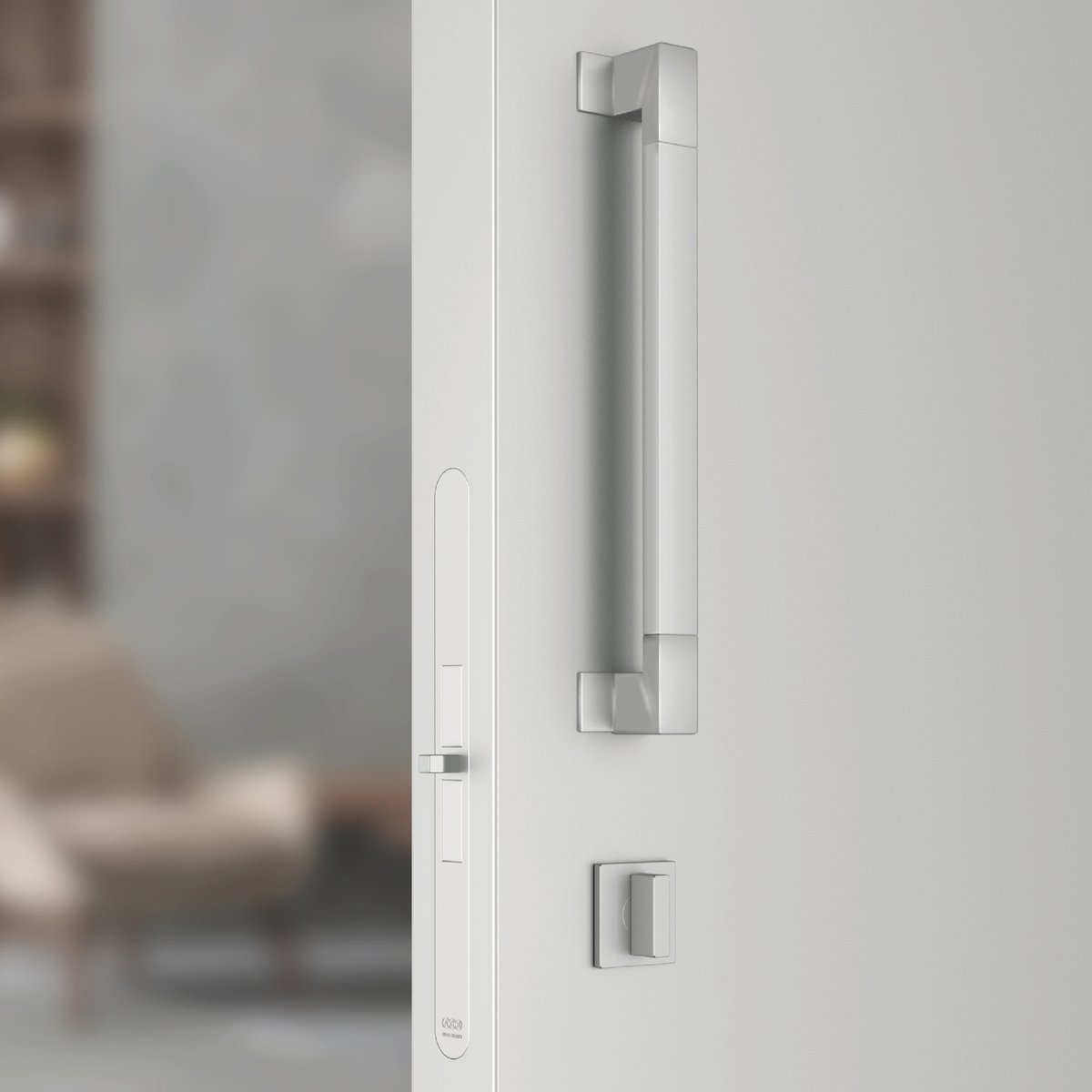
Touch & Close
Touch with a privacy turn — magnetic catch for the door action, manual bolt for the bathroom. Silent in passage, secure when occupied.
View specs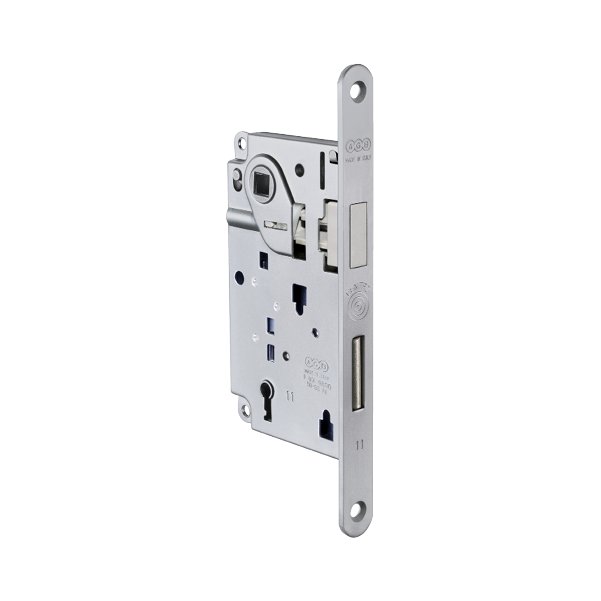
Centro Focus
Standard fire-door mortise — latch + deadbolt, certified to EN 1634 for rated leaves. The default keyed body on our fire-rated openings.
View specs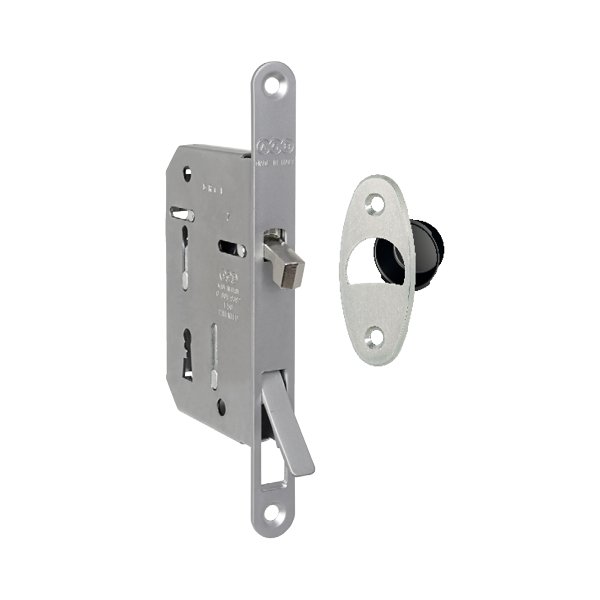
Scivola Tre Class
AGB's standard sliding-door lock — hook bolt, flush-pull-compatible faceplate, BB / PZ / WC entries. The body behind most pocket-door installations.
View specsAGB Eclipse — concealed for our standard frames
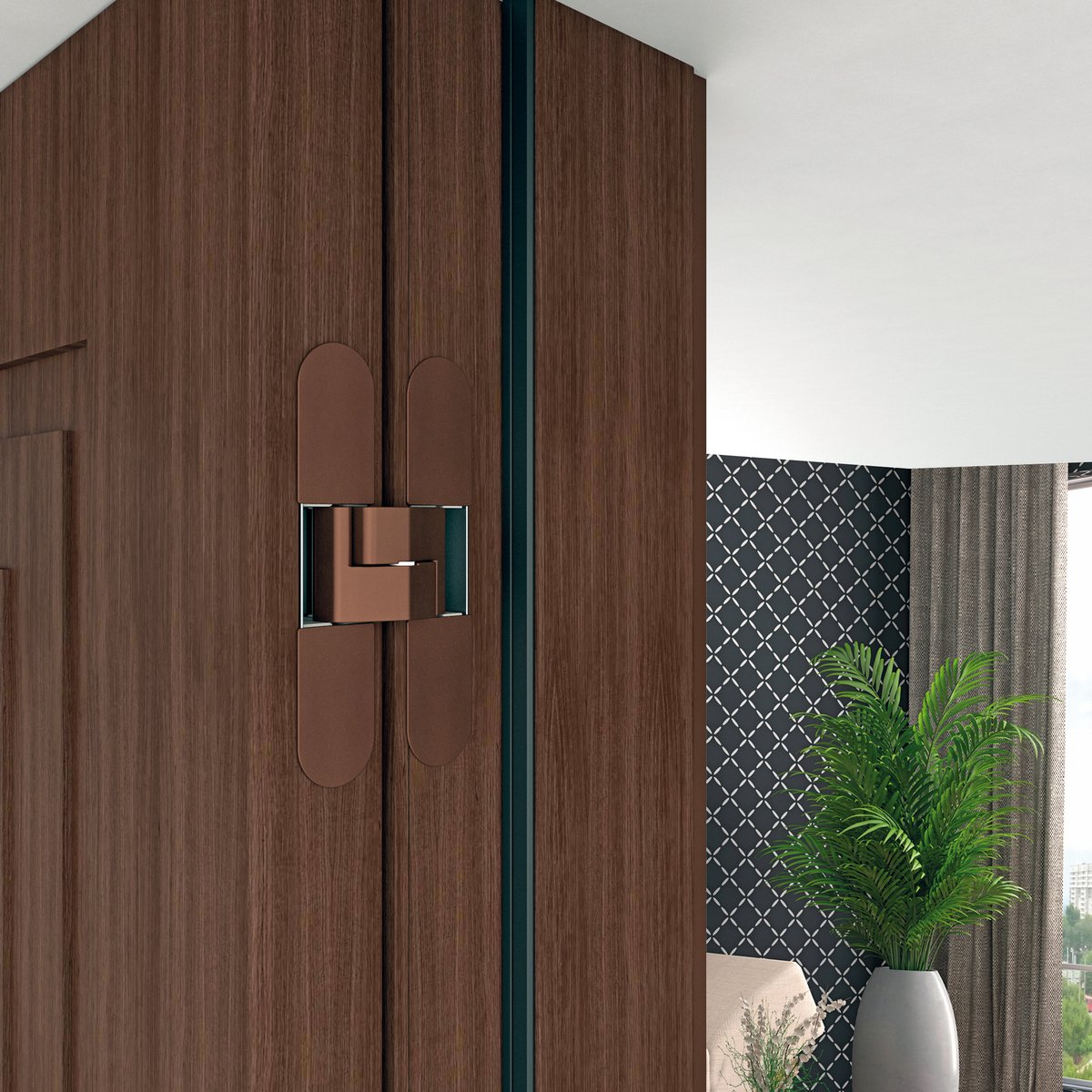
Eclipse 3.0
Concealed hinge for 1-3/4" thick leaves on the CB Minima frame. 3D adjustable, up to ~60 kg per pair. Standard on most of our internal swing doors.
View specs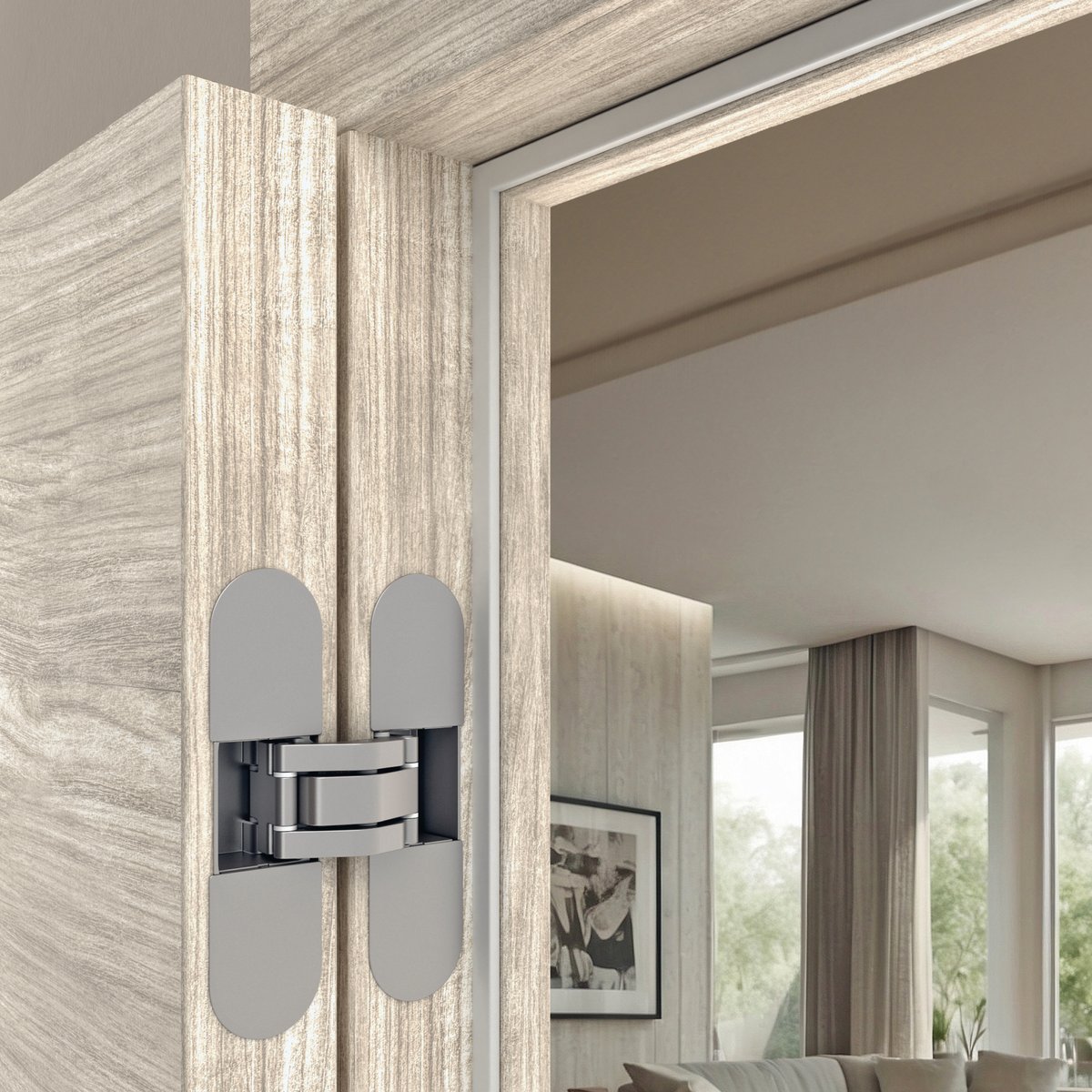
Eclipse 2.2
High-load concealed hinge for 2-3/8" thick leaves on the CB Massima frame. 3D adjustable, up to ~80 kg per pair. Specified for oversize and acoustic doors.
View specsSimonswerk — concealed for our invisible doors
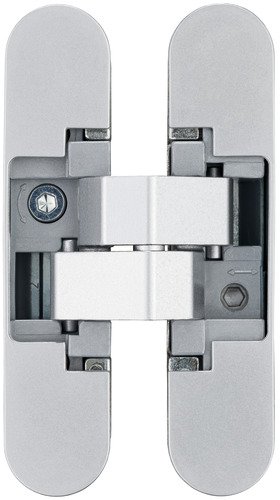
AN 140-3D
3D-adjustable concealed hinge for the GD Dorigo invisible-door system. Specified by default on flush, plaster-flush, and floor-to-ceiling passage leaves.
View specs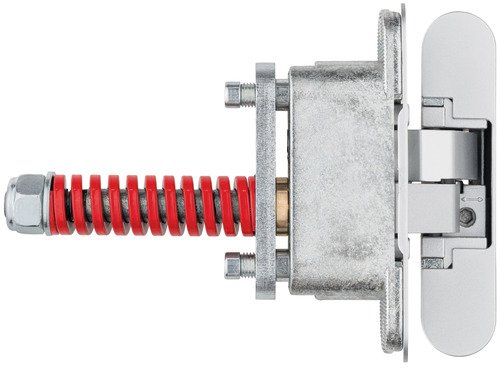
AN 107-3D-C60
Self-closing concealed hinge with a 60-minute fire rating, 3D adjustable. The combined hinge + closer when an invisible fire-rated leaf must close itself.
View specsAssa Abloy DC-series — surface and concealed
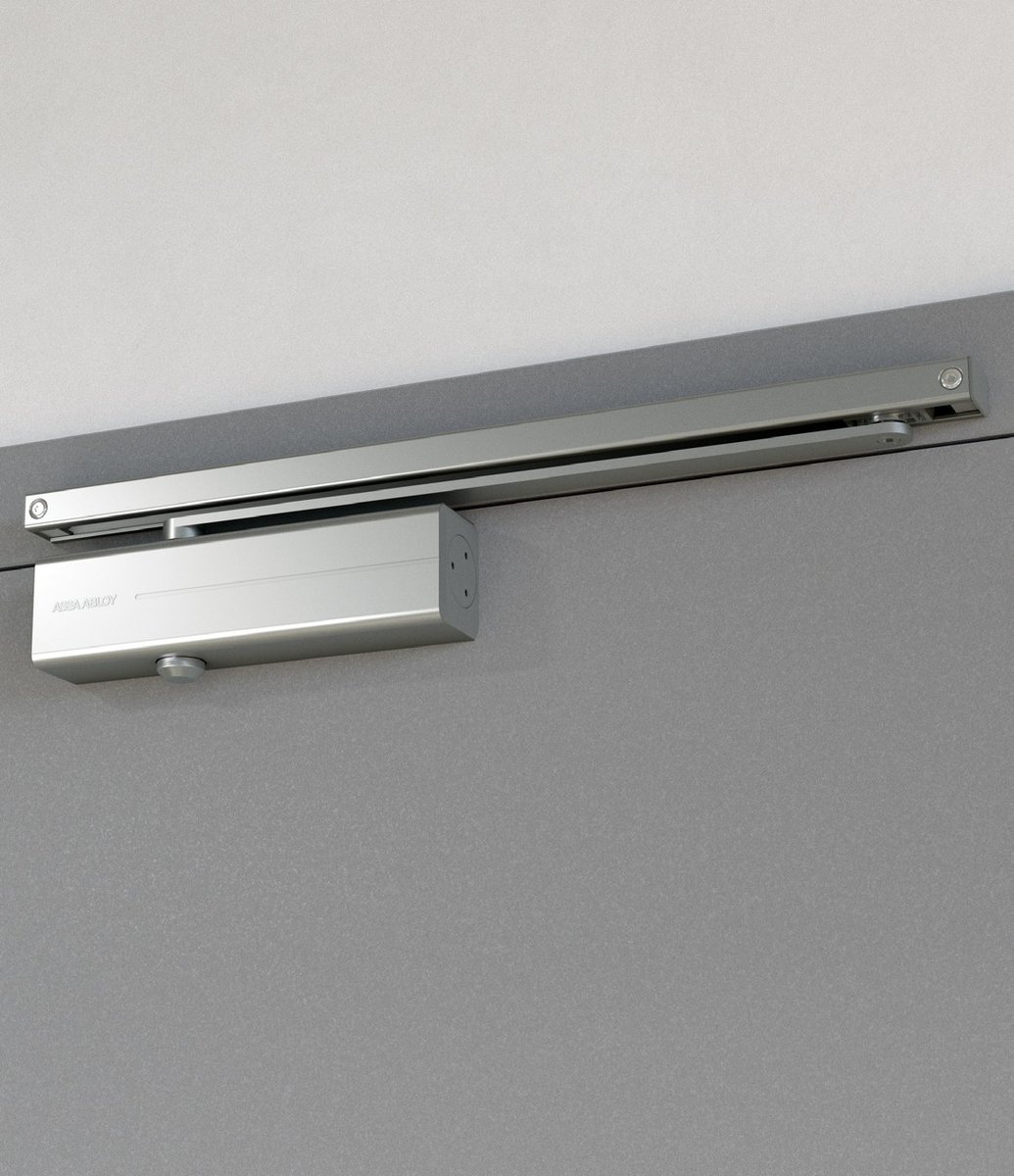
DC135
Surface-mount cam-action door closer for leaves up to ~38" wide. EN 2–4 strength, certified for fire doors. Specified where the closer can be visible on the head.
View specs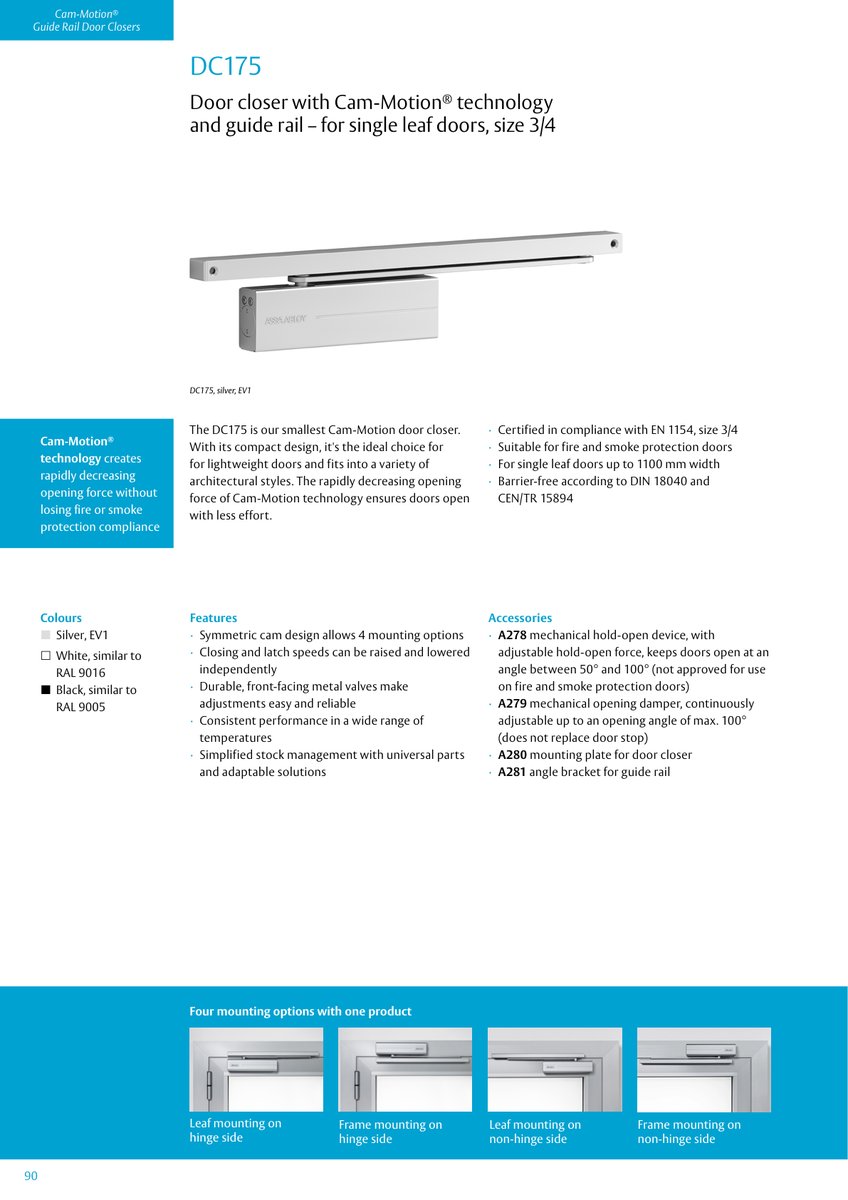
DC175
Surface-mount cam-action closer for wider leaves — up to ~44". EN 3–6 strength range, certified for fire doors. Specified on oversize and high-traffic openings.
View specs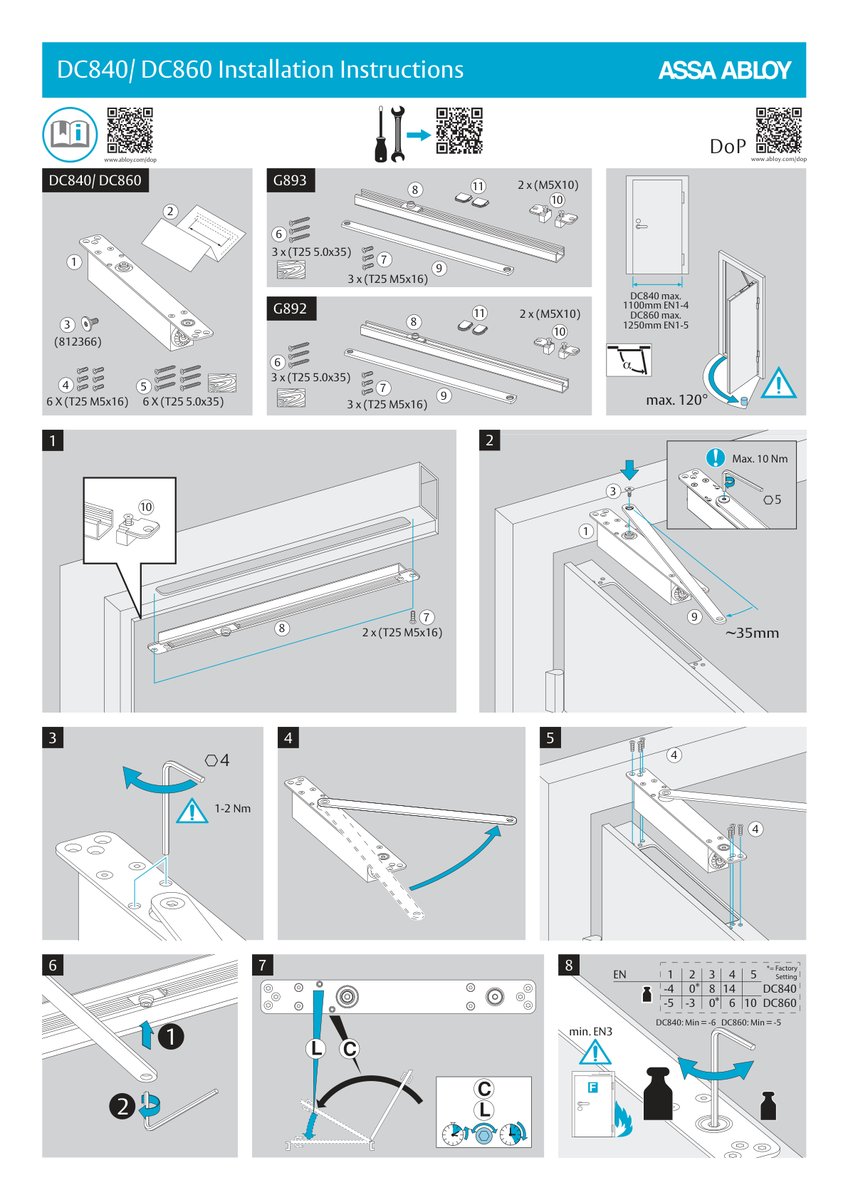
DC840
Concealed cam-action closer fitted into the head of the frame — invisible from both faces. Specified on CB elevator doors and GD wood-frame fire-rated doors.
View specsSpare parts & replacements
Replacement components for DND handles — springs, mechanisms, bases, screws, spindles. Add what you need to the cart and we'll confirm pricing, availability, and lead time.
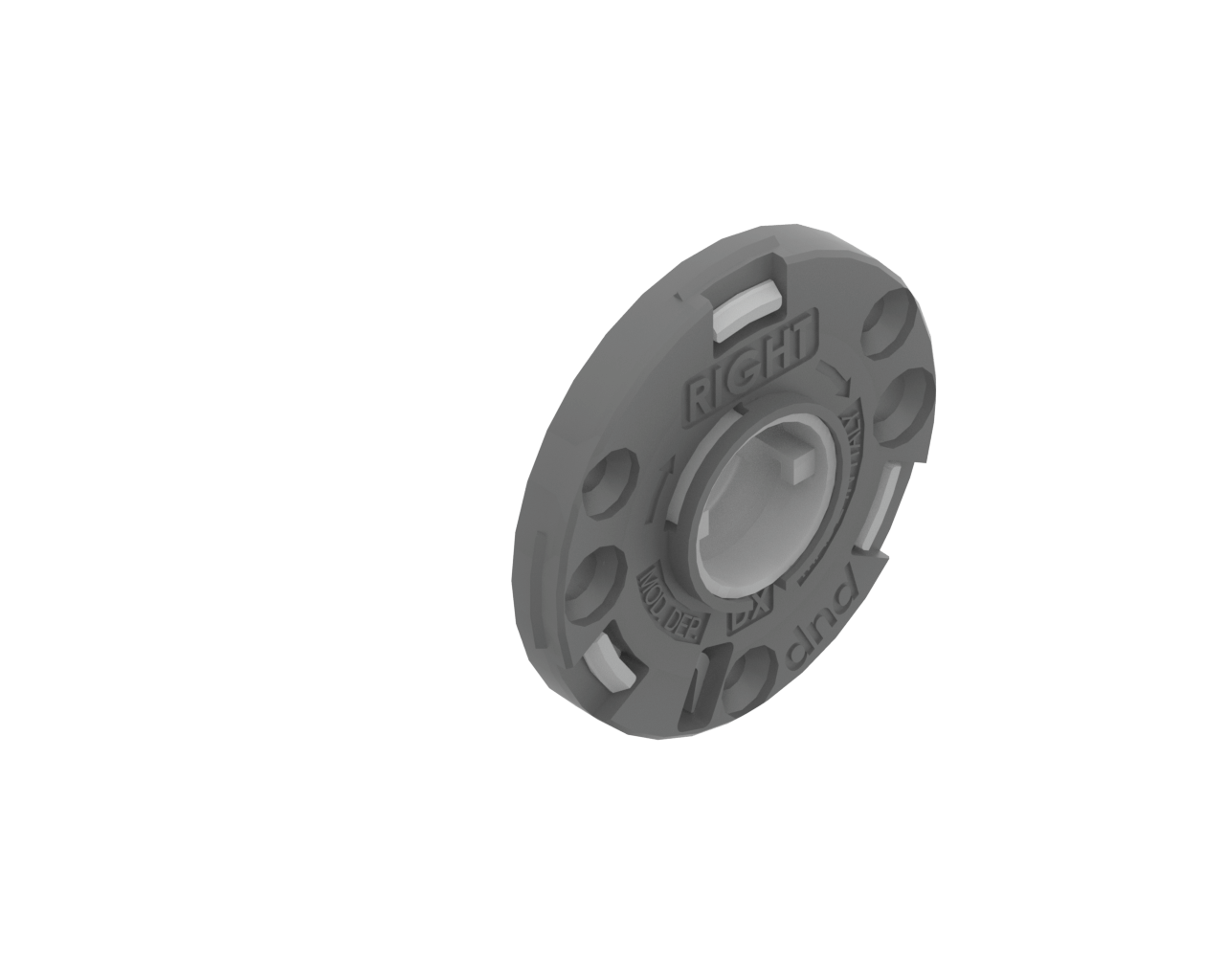
VIS round spring
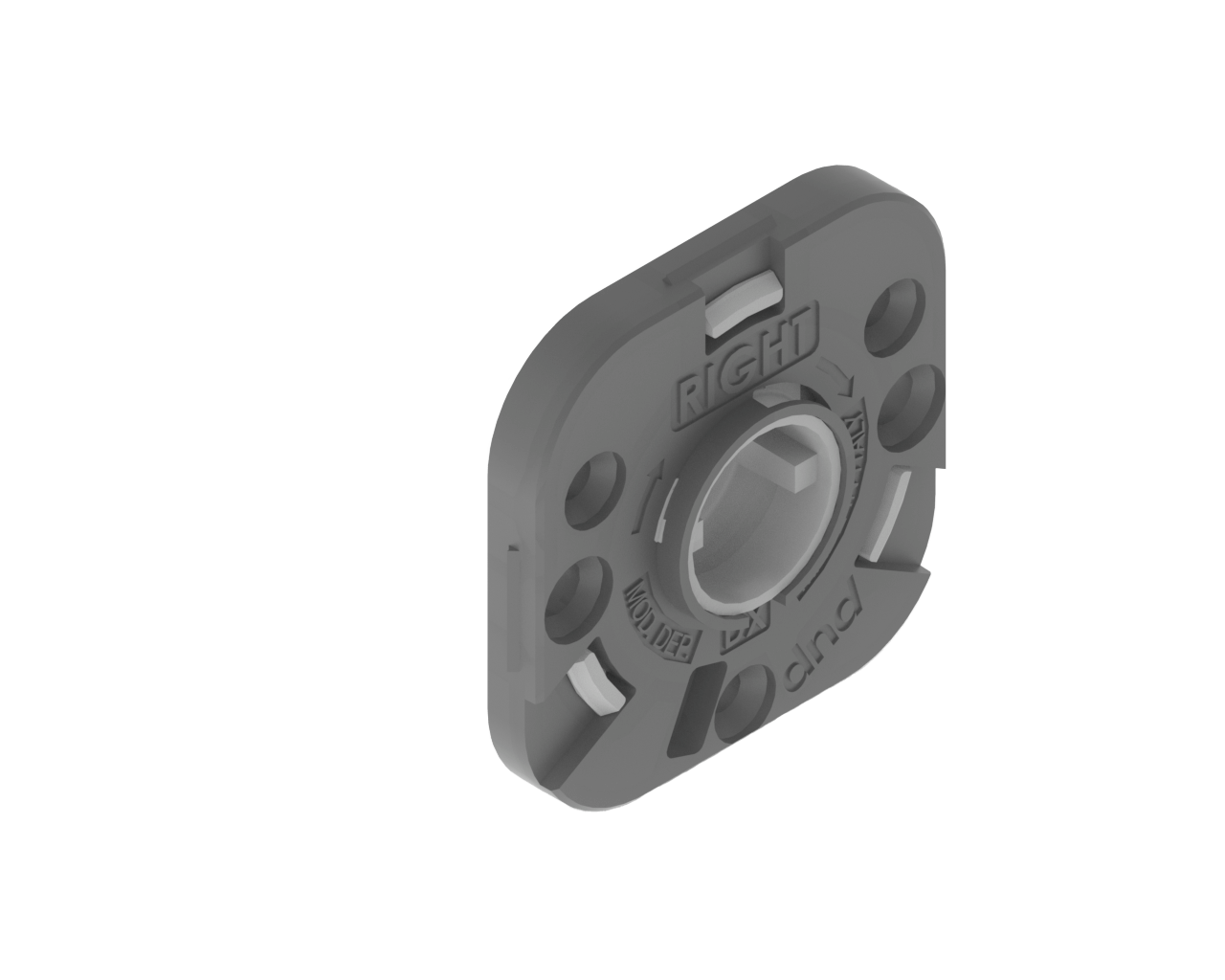
VIS square spring
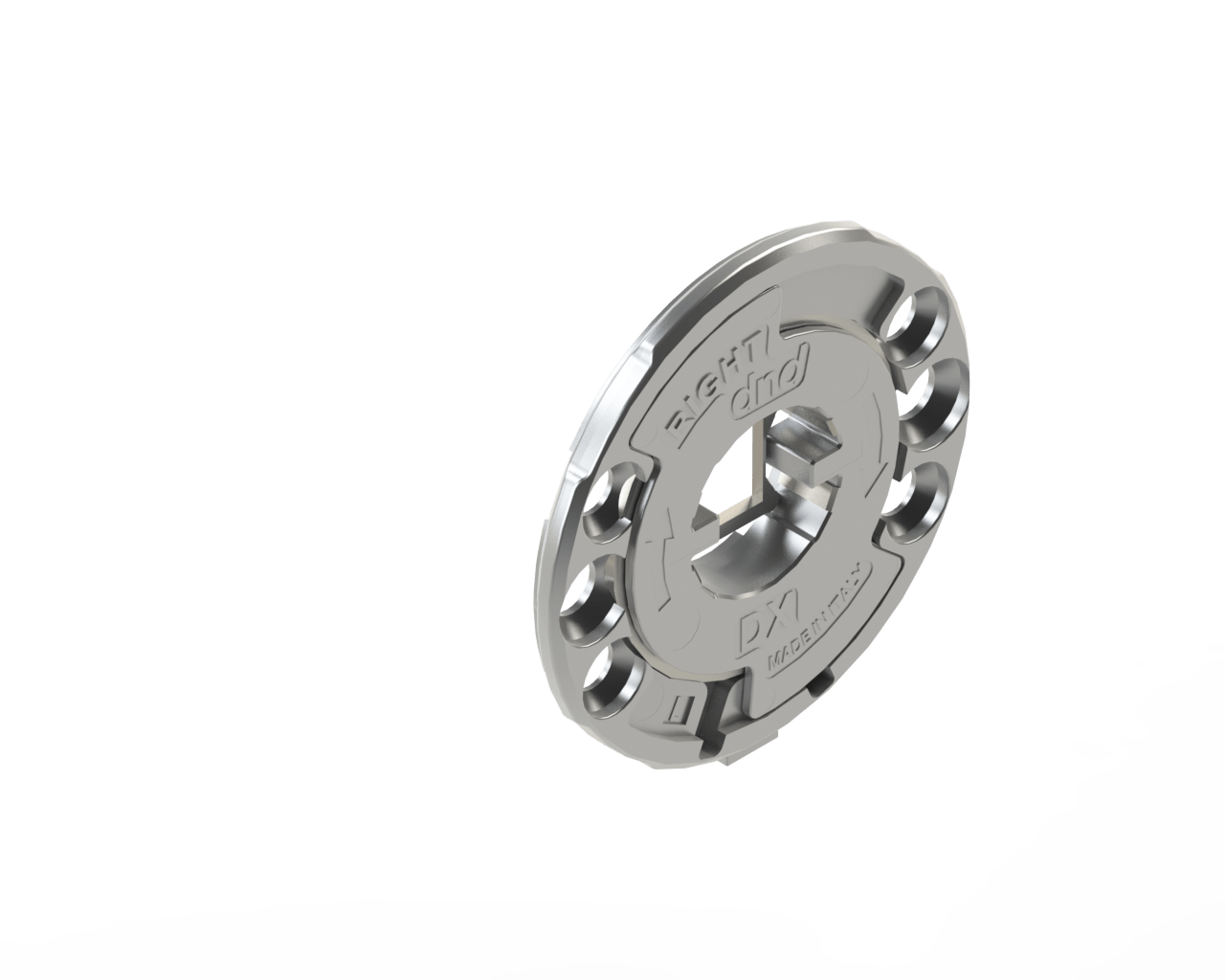
FINE spring
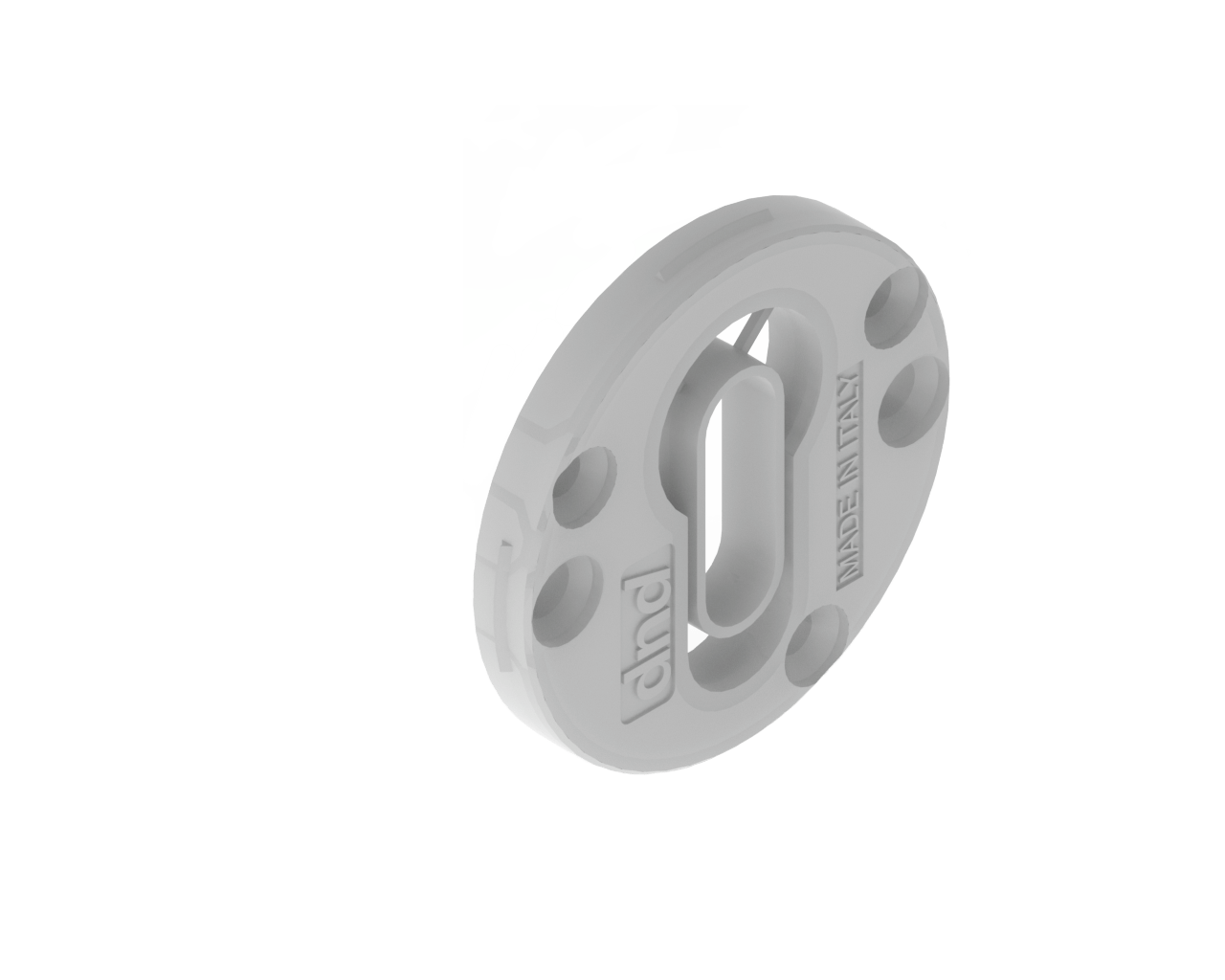
Round VIS escutcheon base
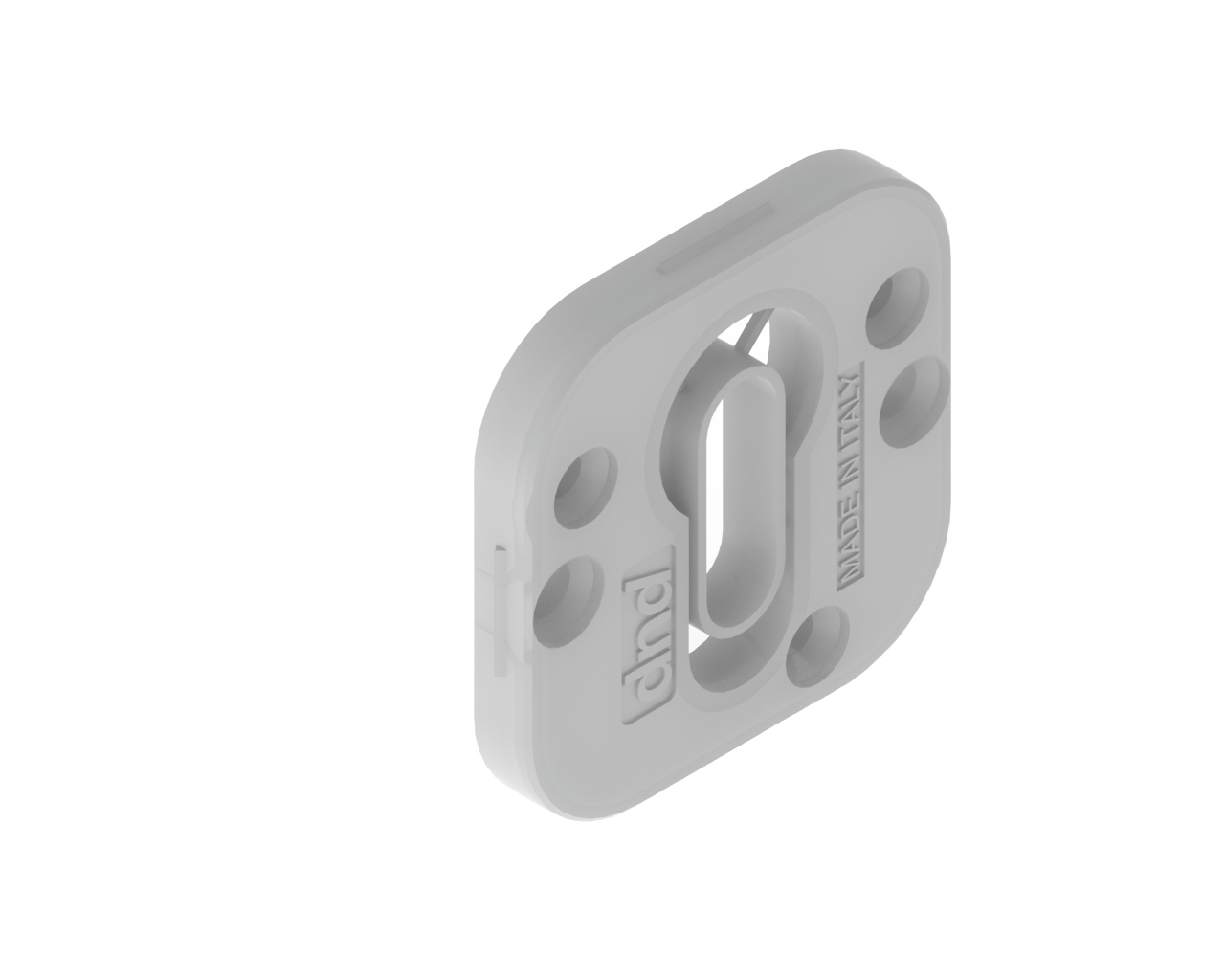
Square VIS escutcheon base
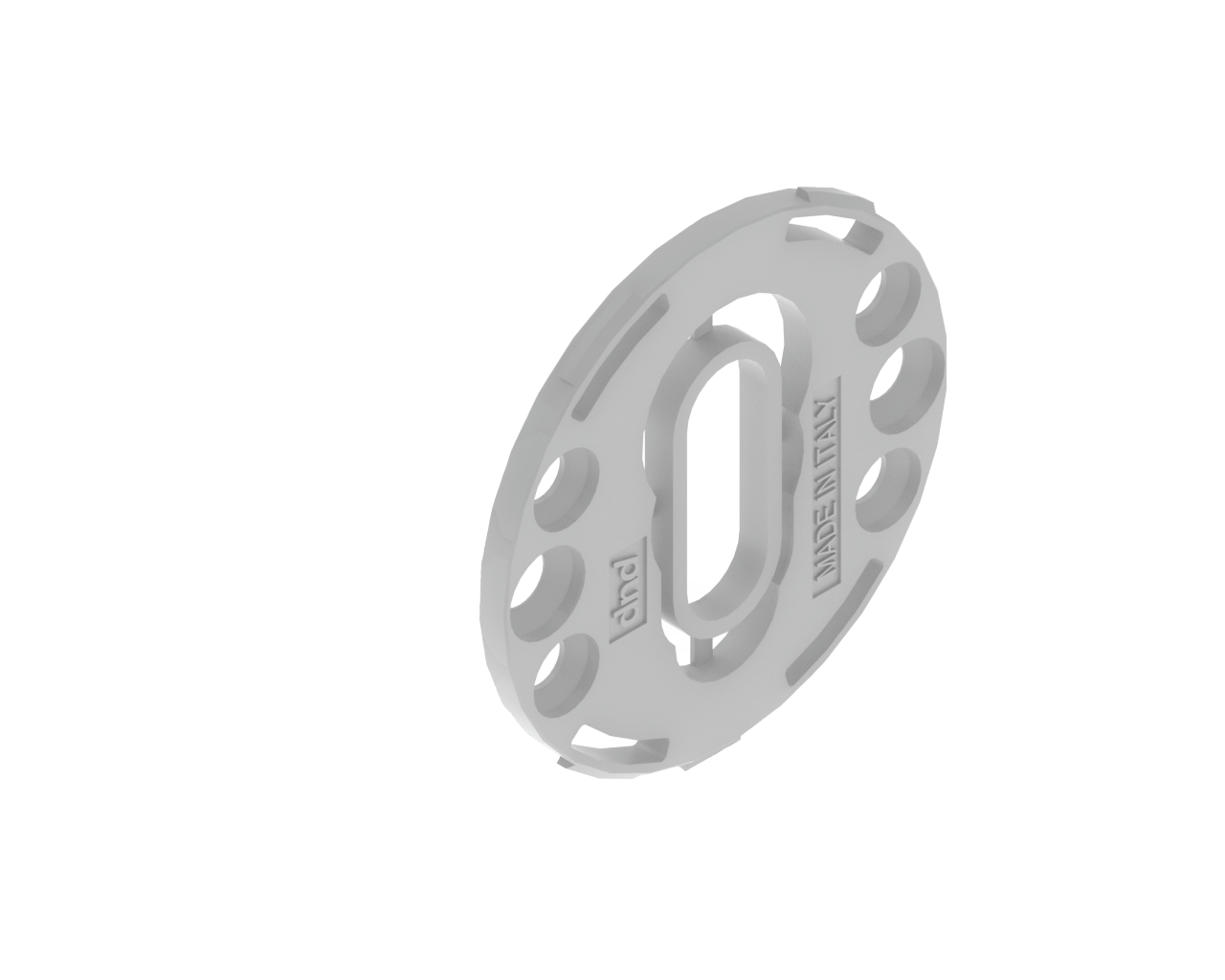
Escutcheon base / FINE turn & release base
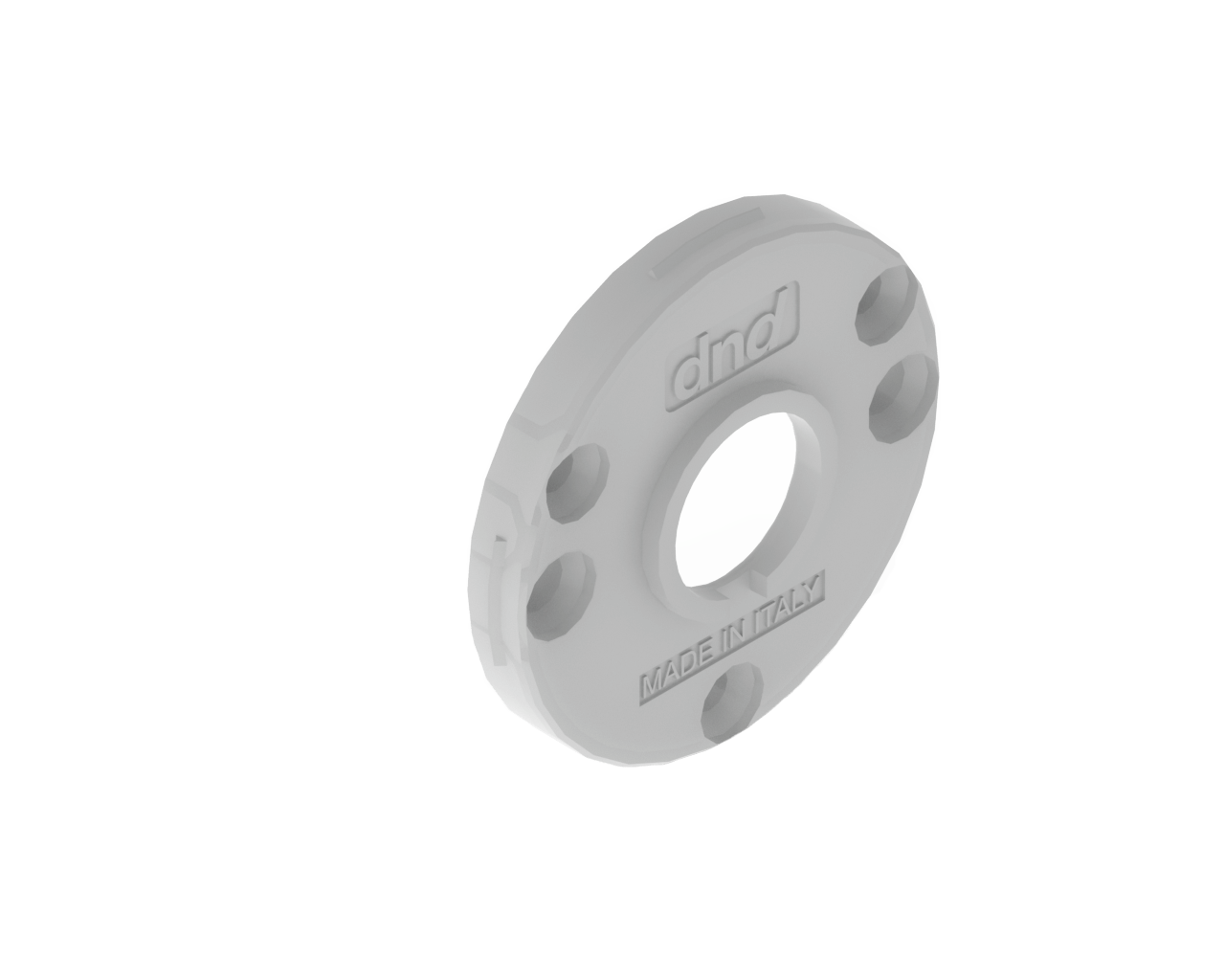
VIS base for turn & release
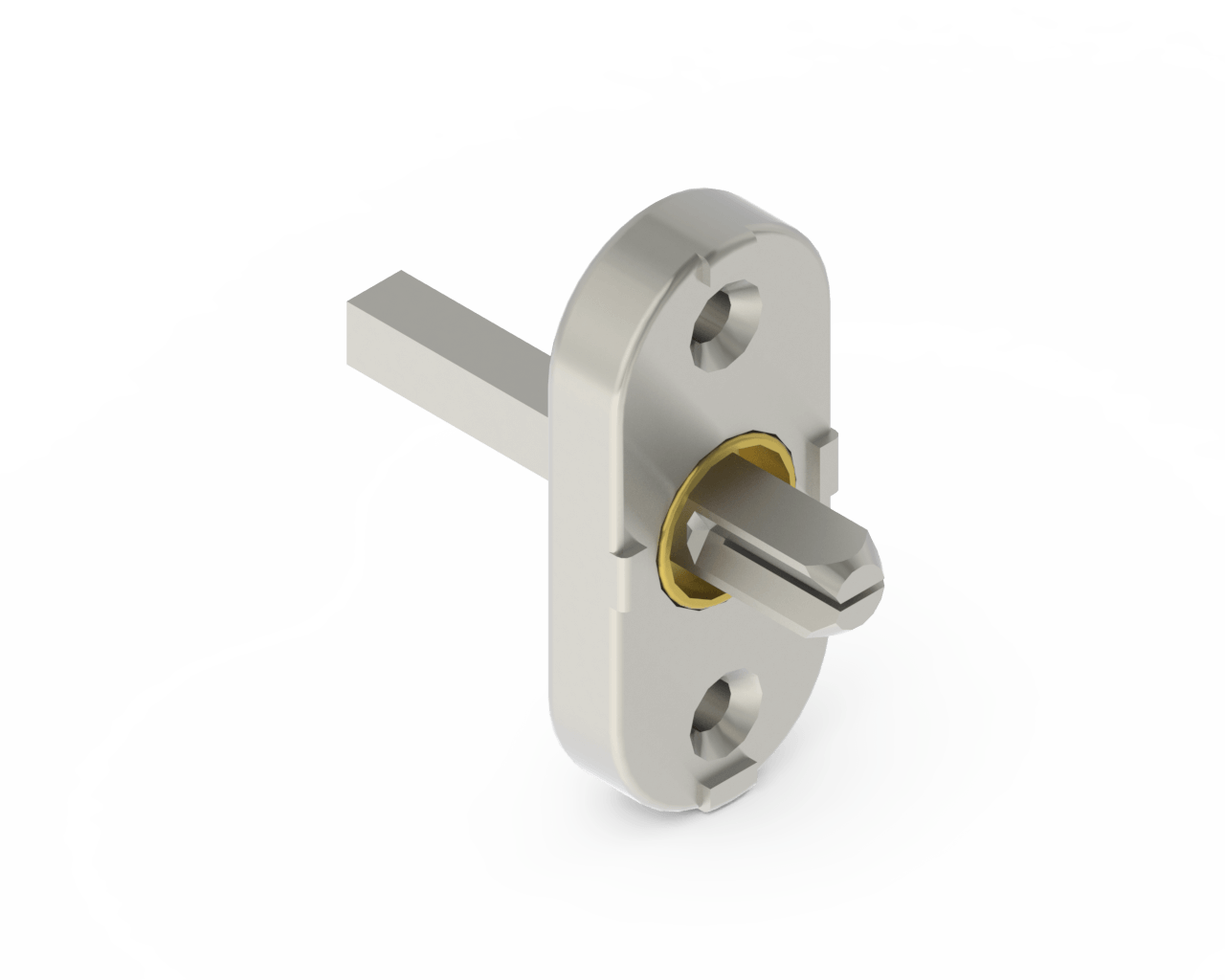
DK metal mechanism – 4 turns
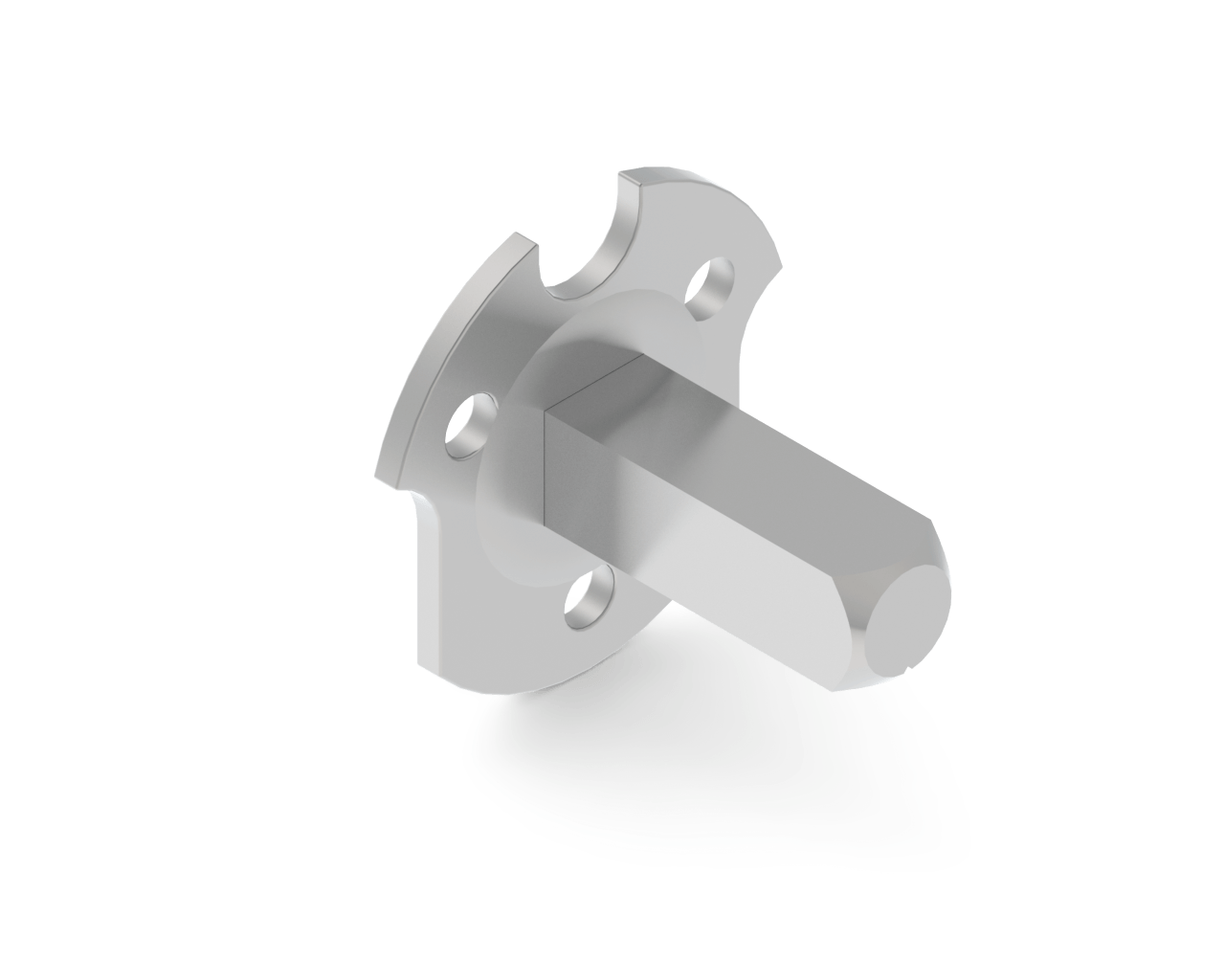
Fixing base with 〼 8 mm square spindle – VIS system
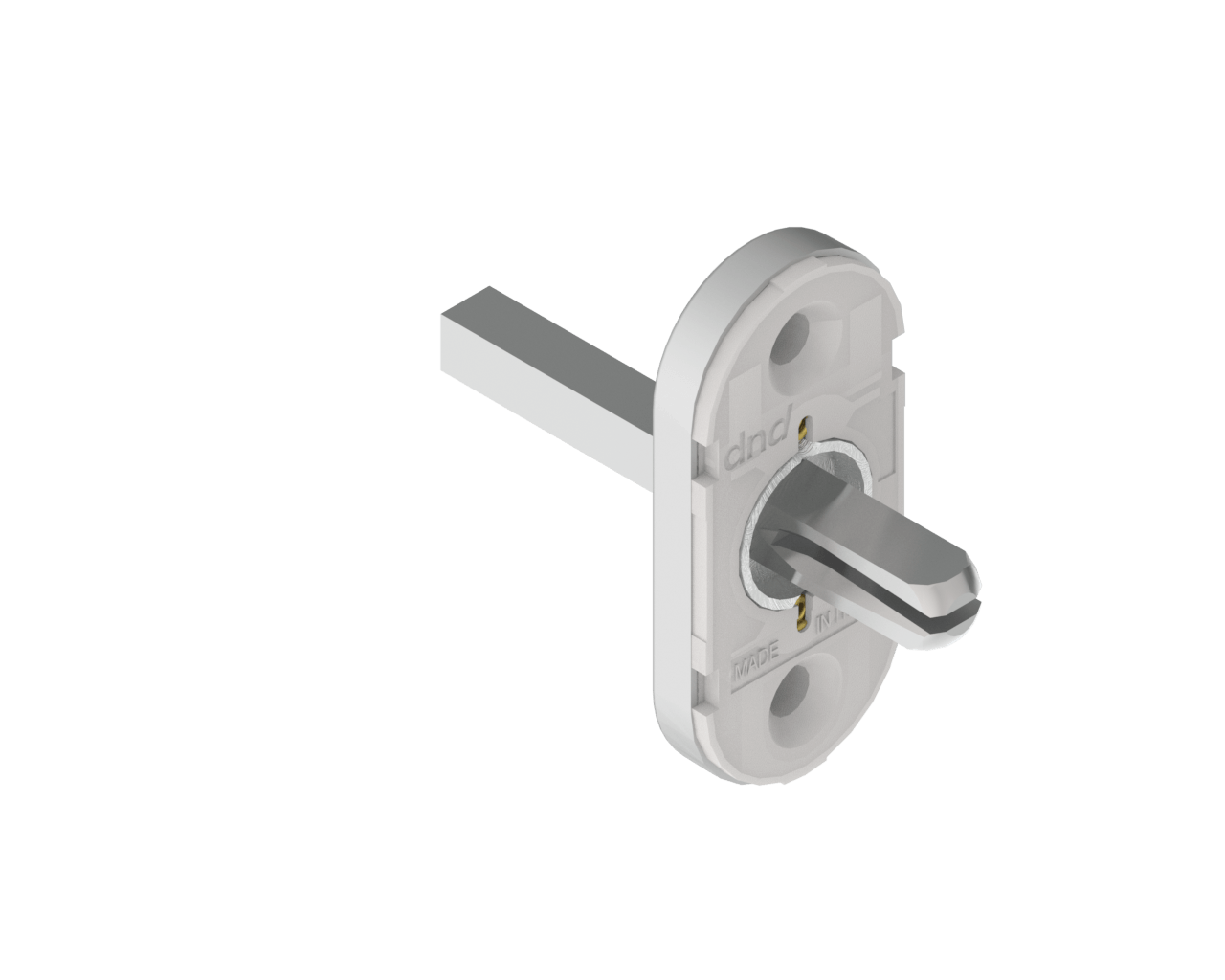
DK VIS mechanism – 4 turns
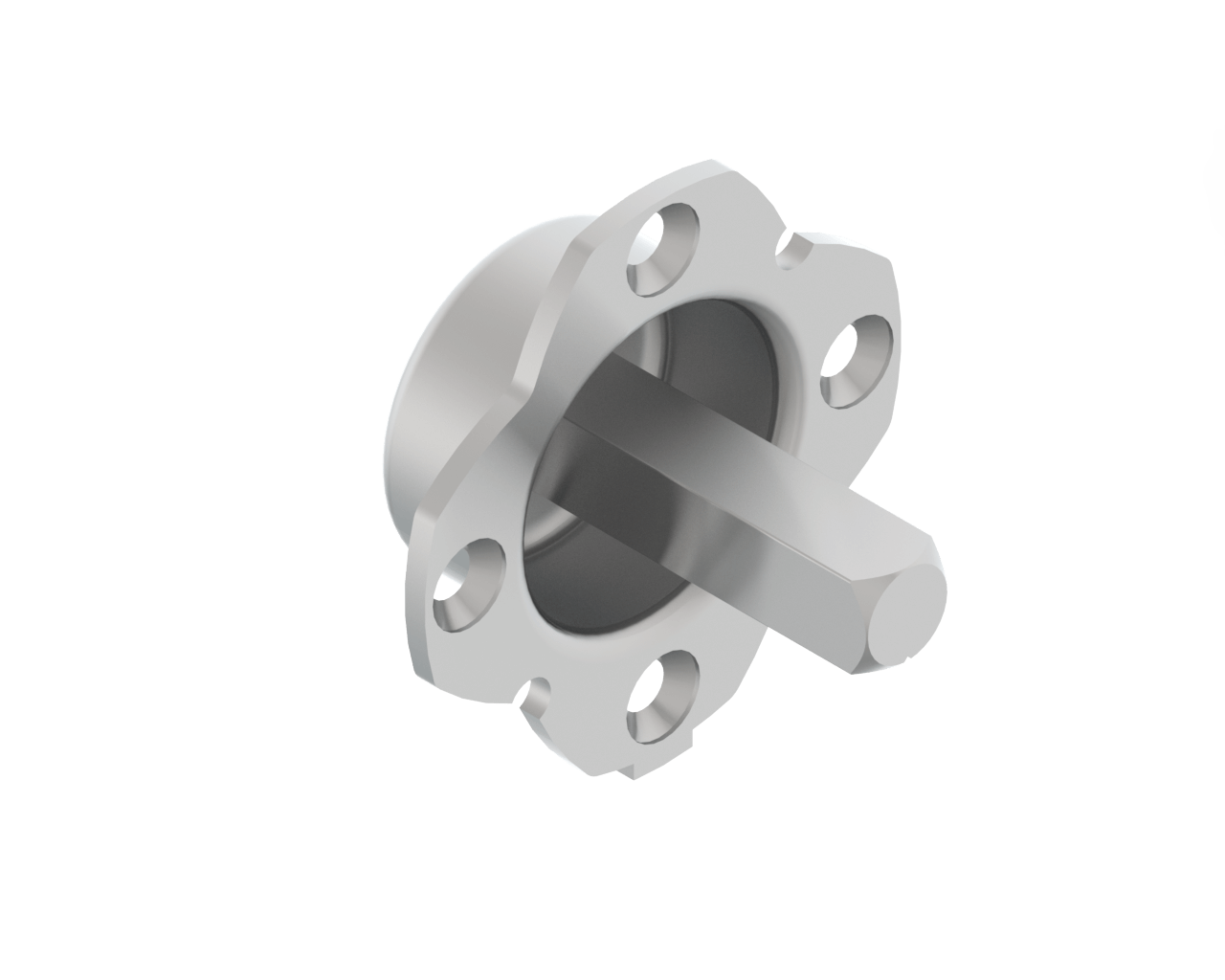
Recessed fixing base with spindle 〼 8 mm – FINE system
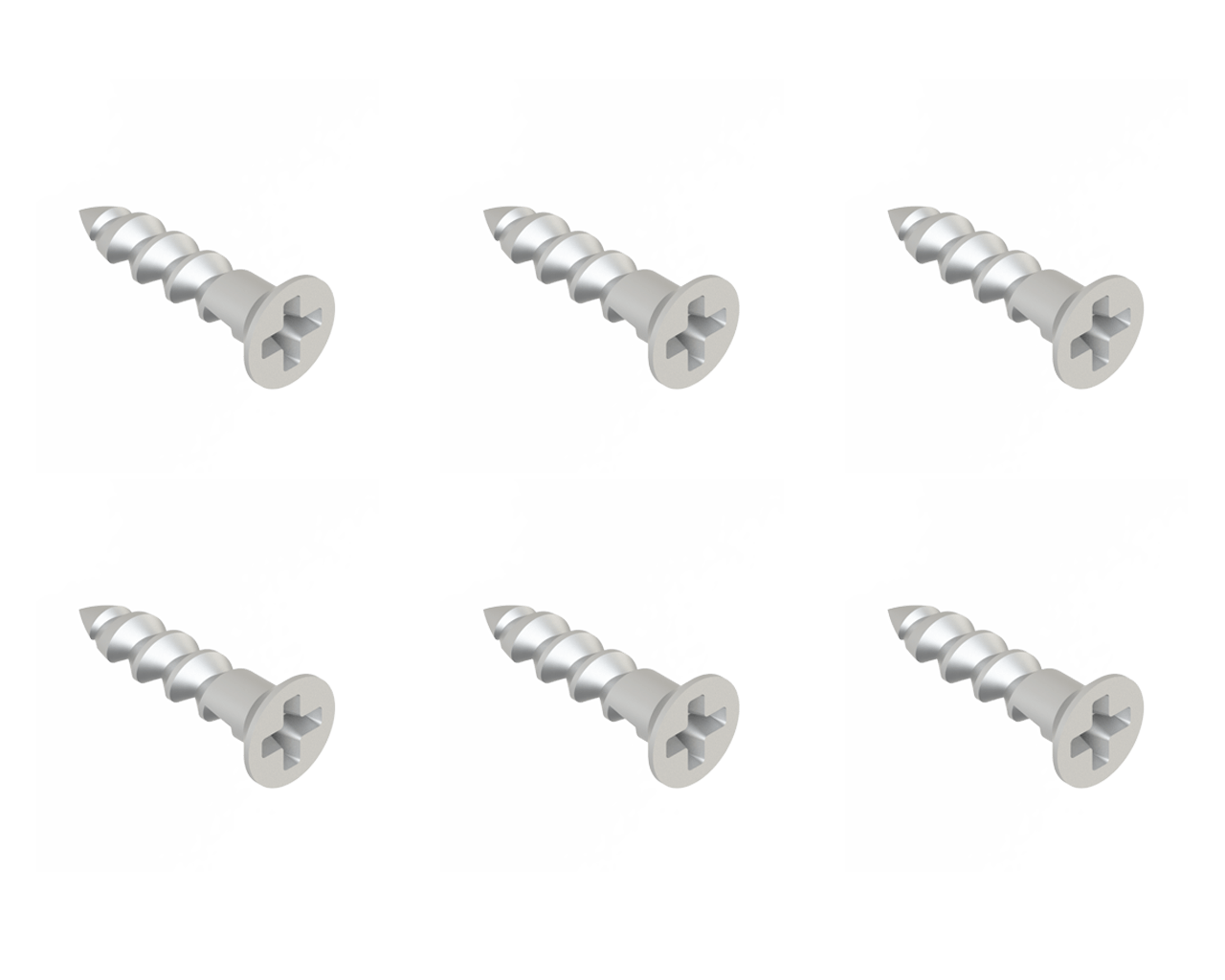
Set 6 wood screws – 3,5×16 mm
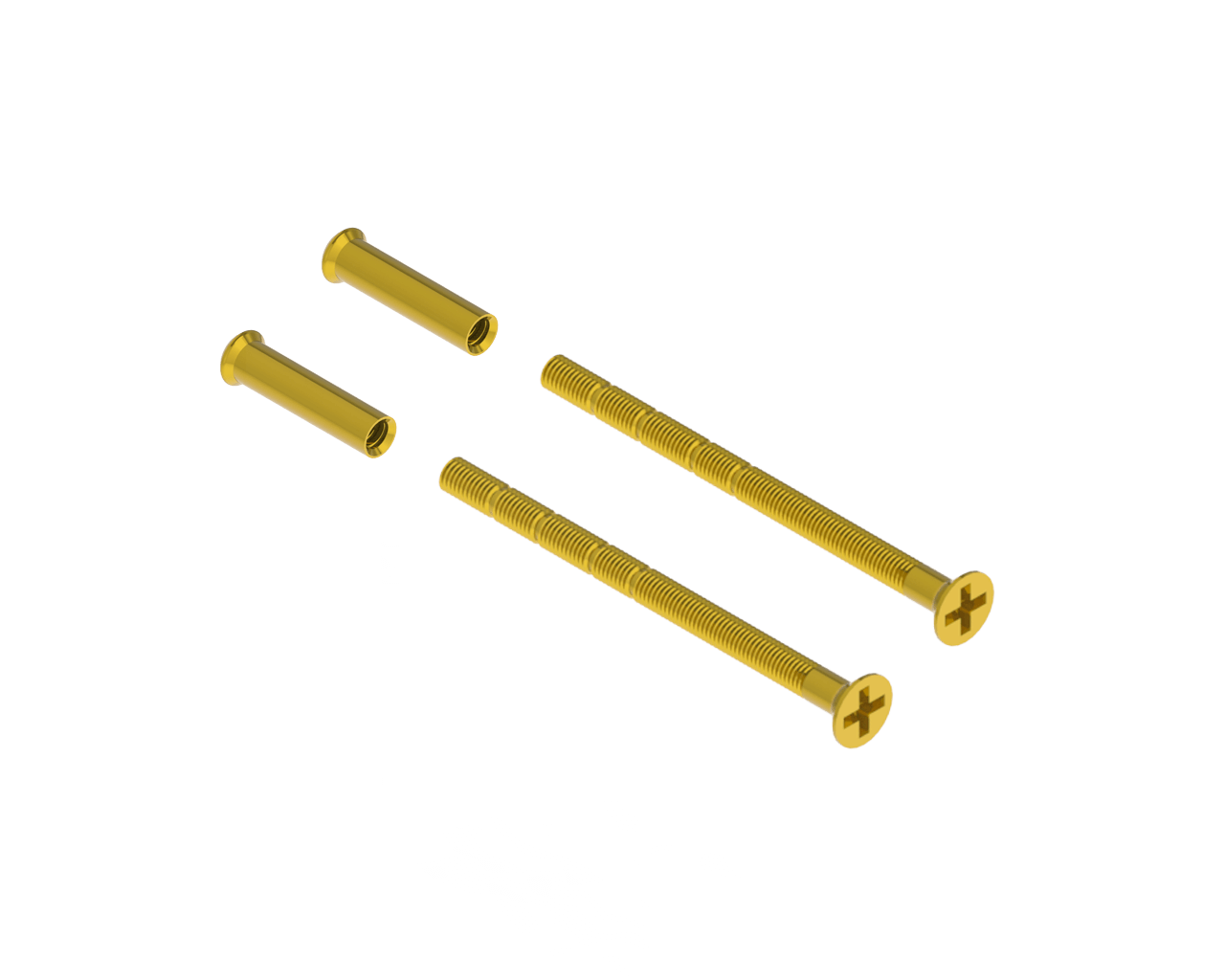
2 screws M4x45 mm
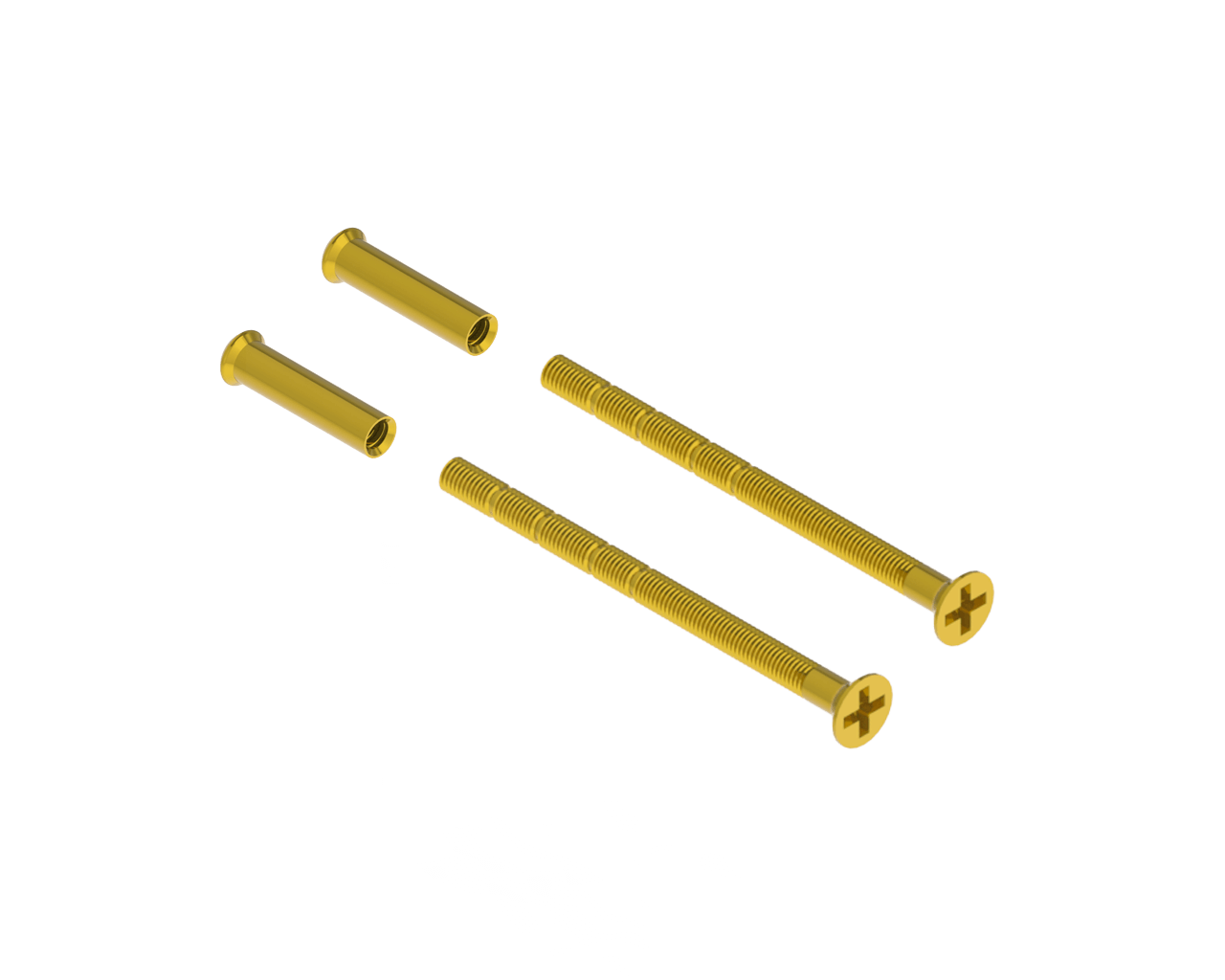
2 shortenable screws M4x60 mm
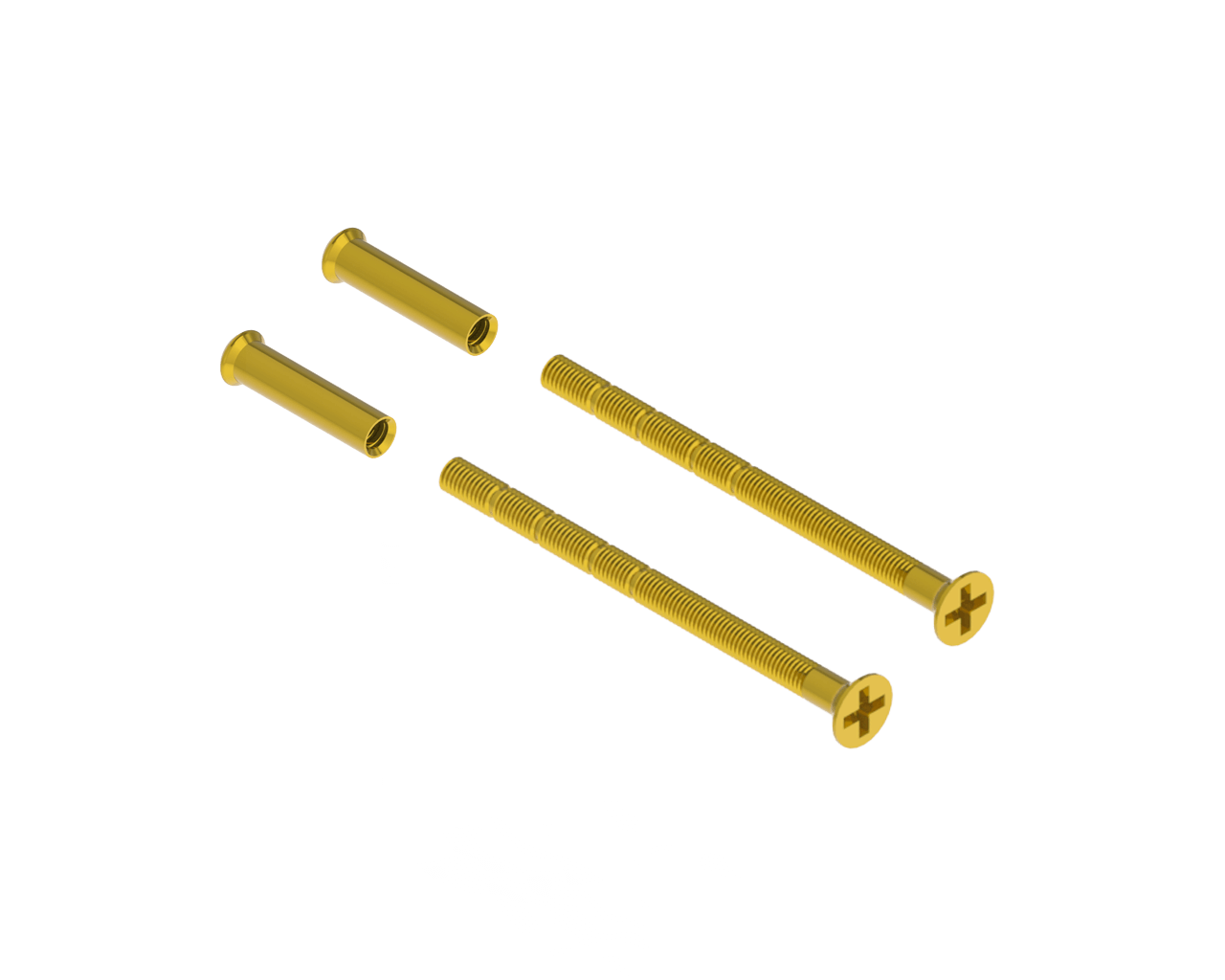
2 shortenable screws M4x90 mm
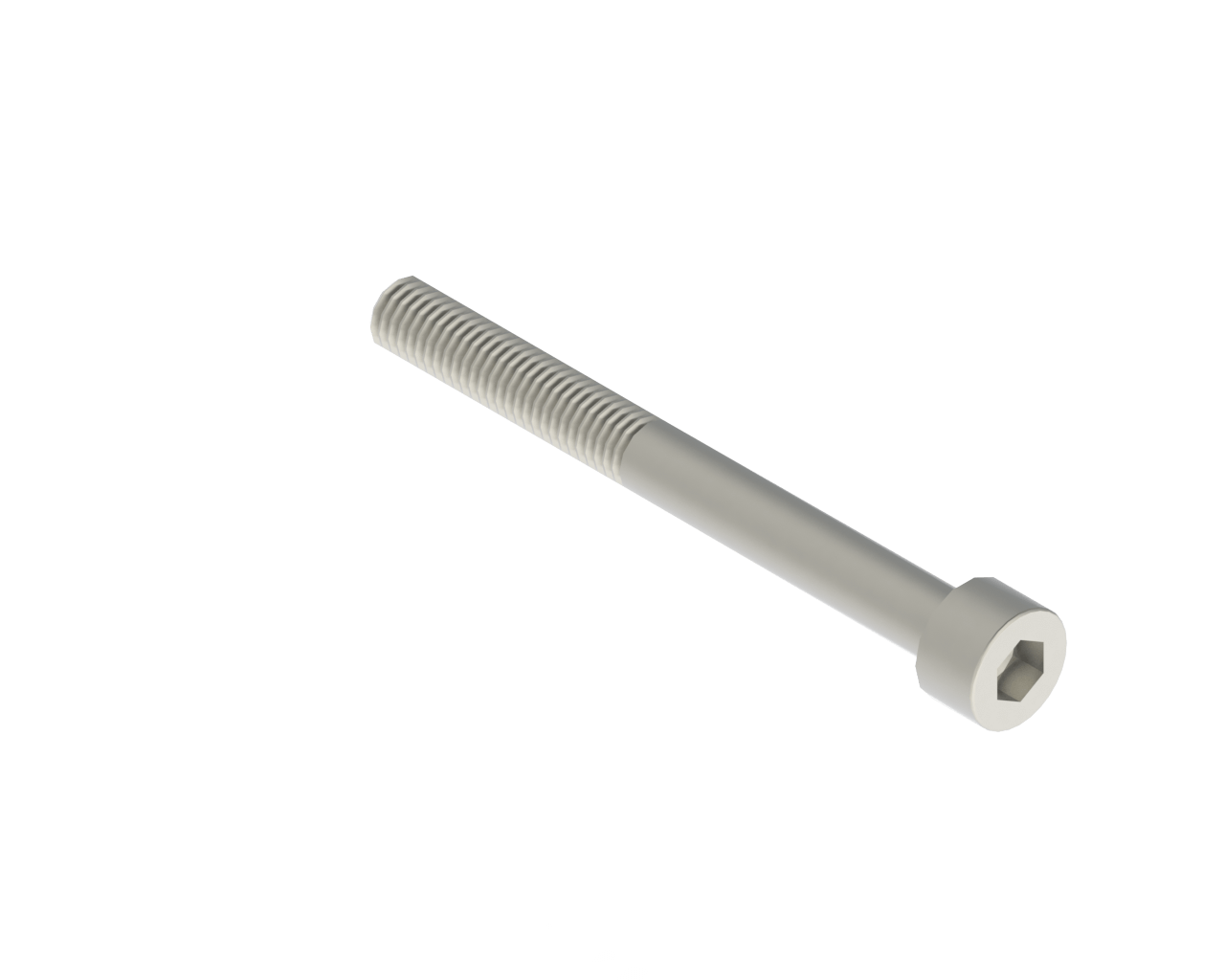
Screw M5x100 mm for lift & slide handles
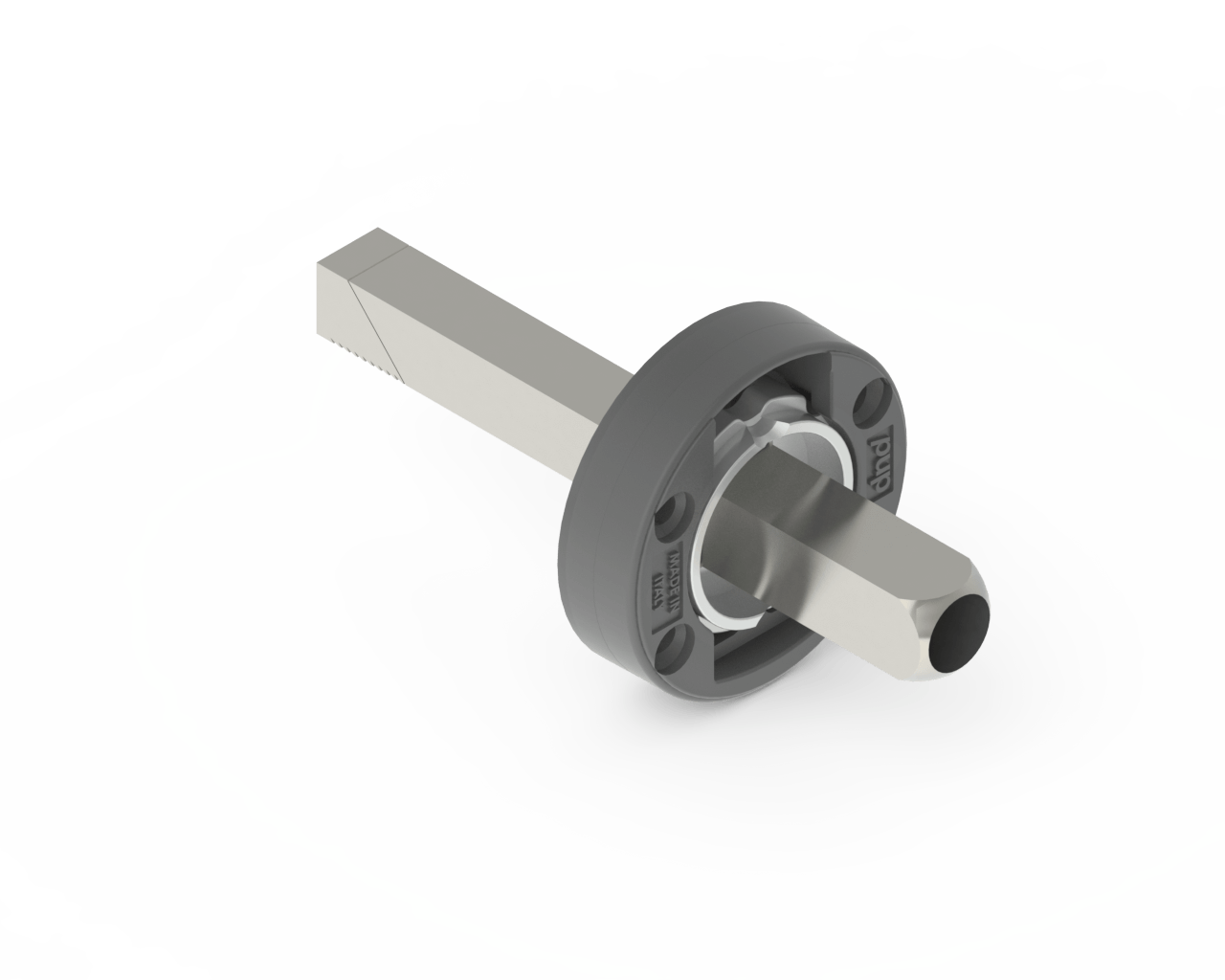
DK Unico mechanism – 8 turns
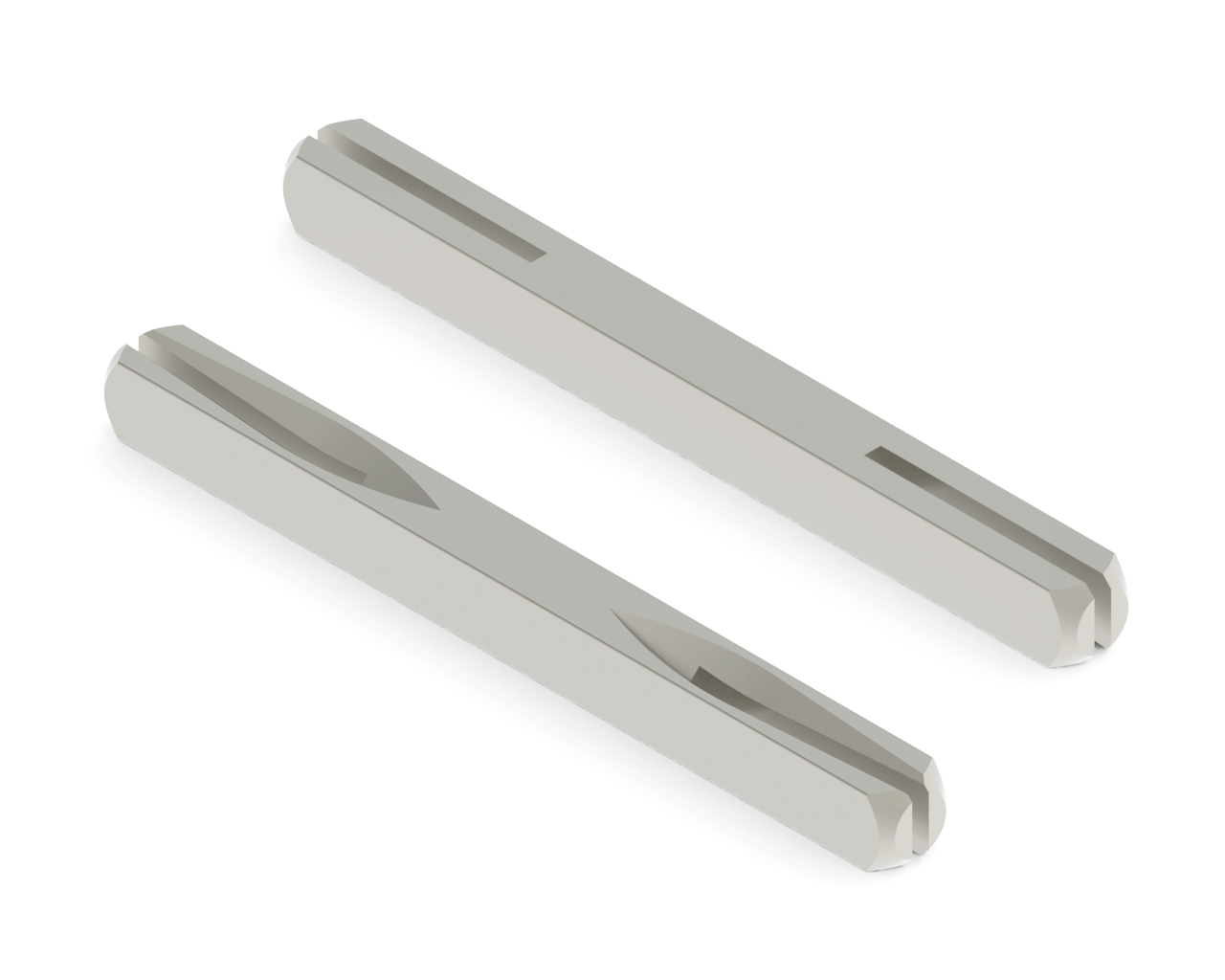
Square zink spindle
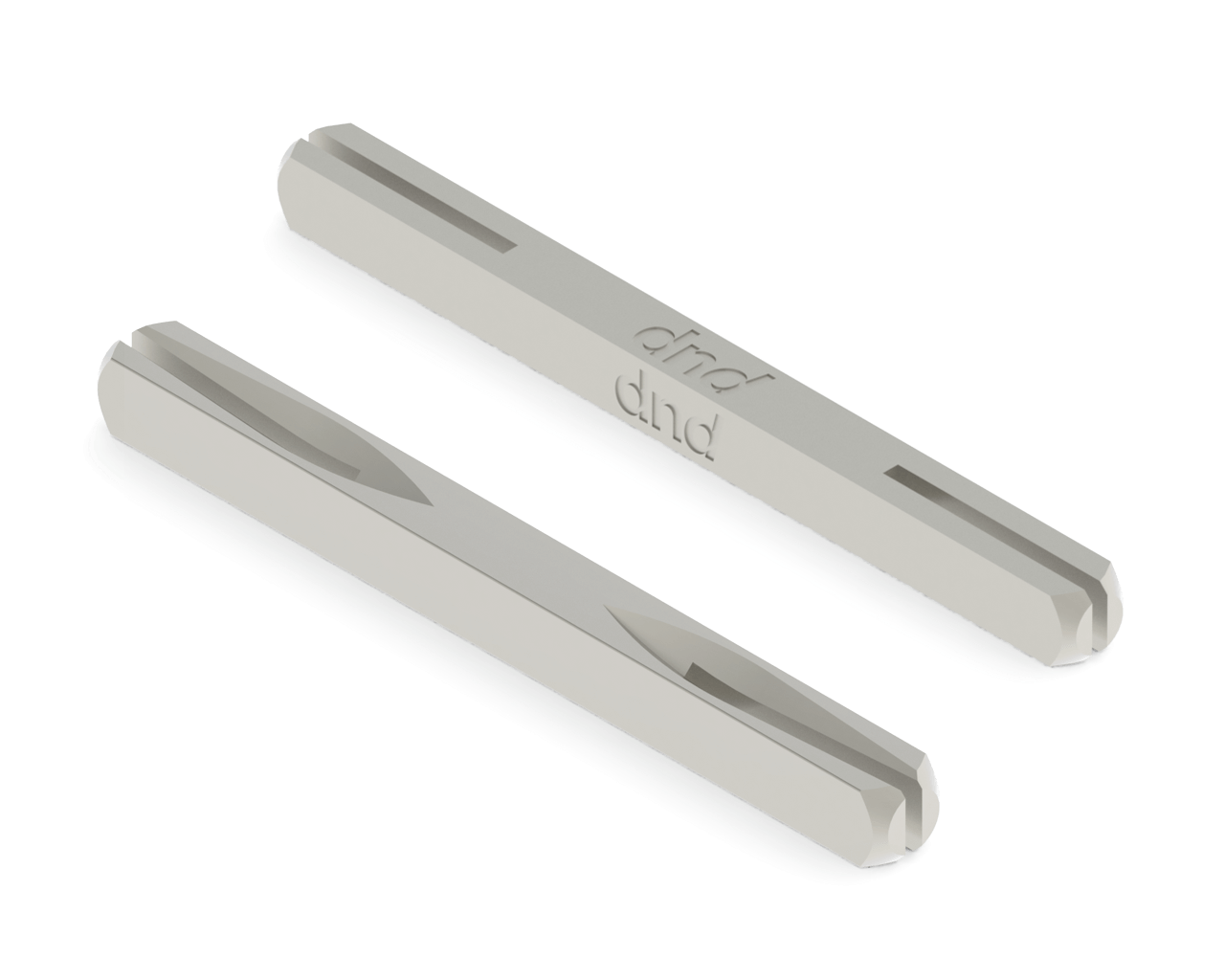
Dnd square zink spindle
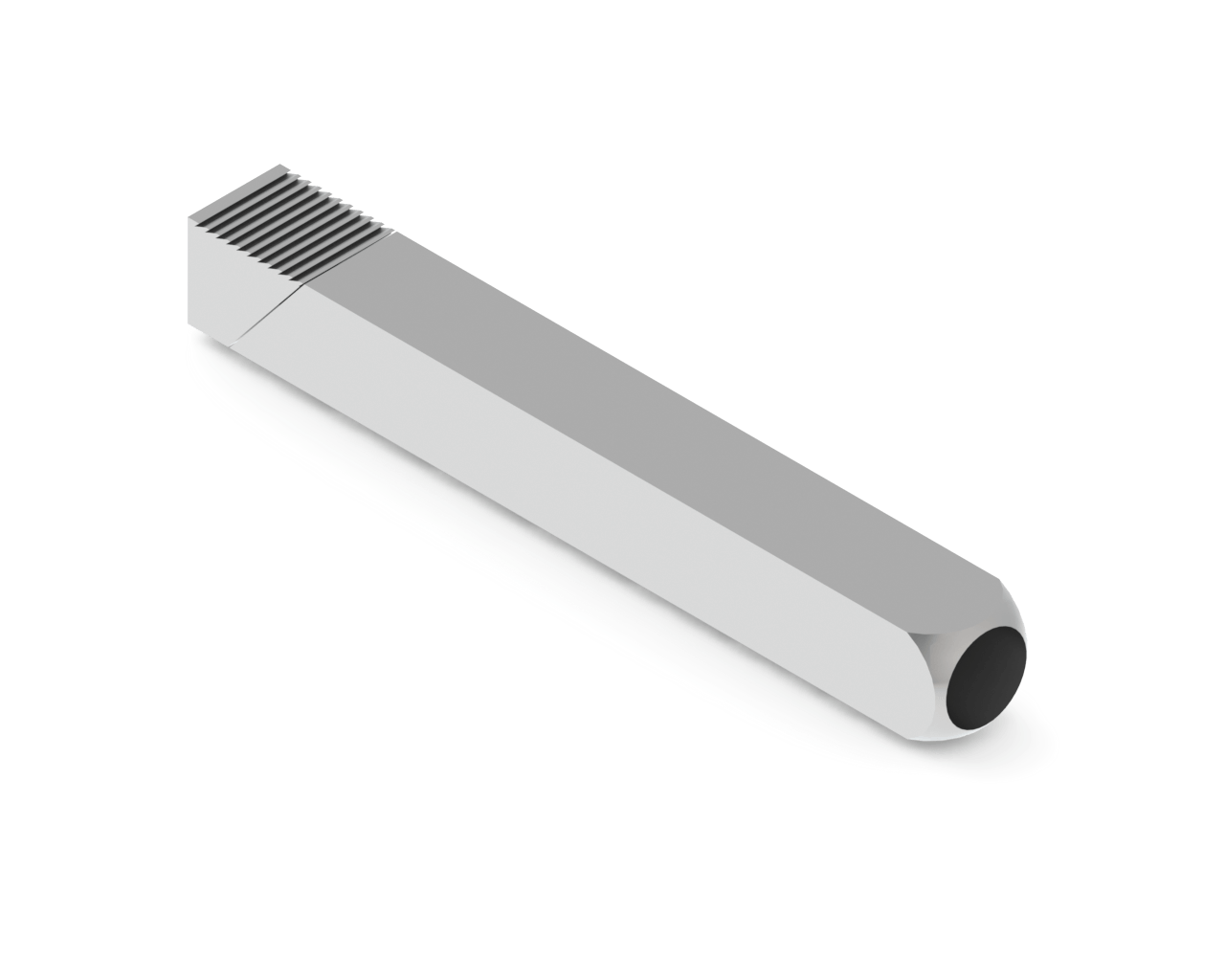
Expansion zink square spindle

Zink square spindle for pull handles sliding system
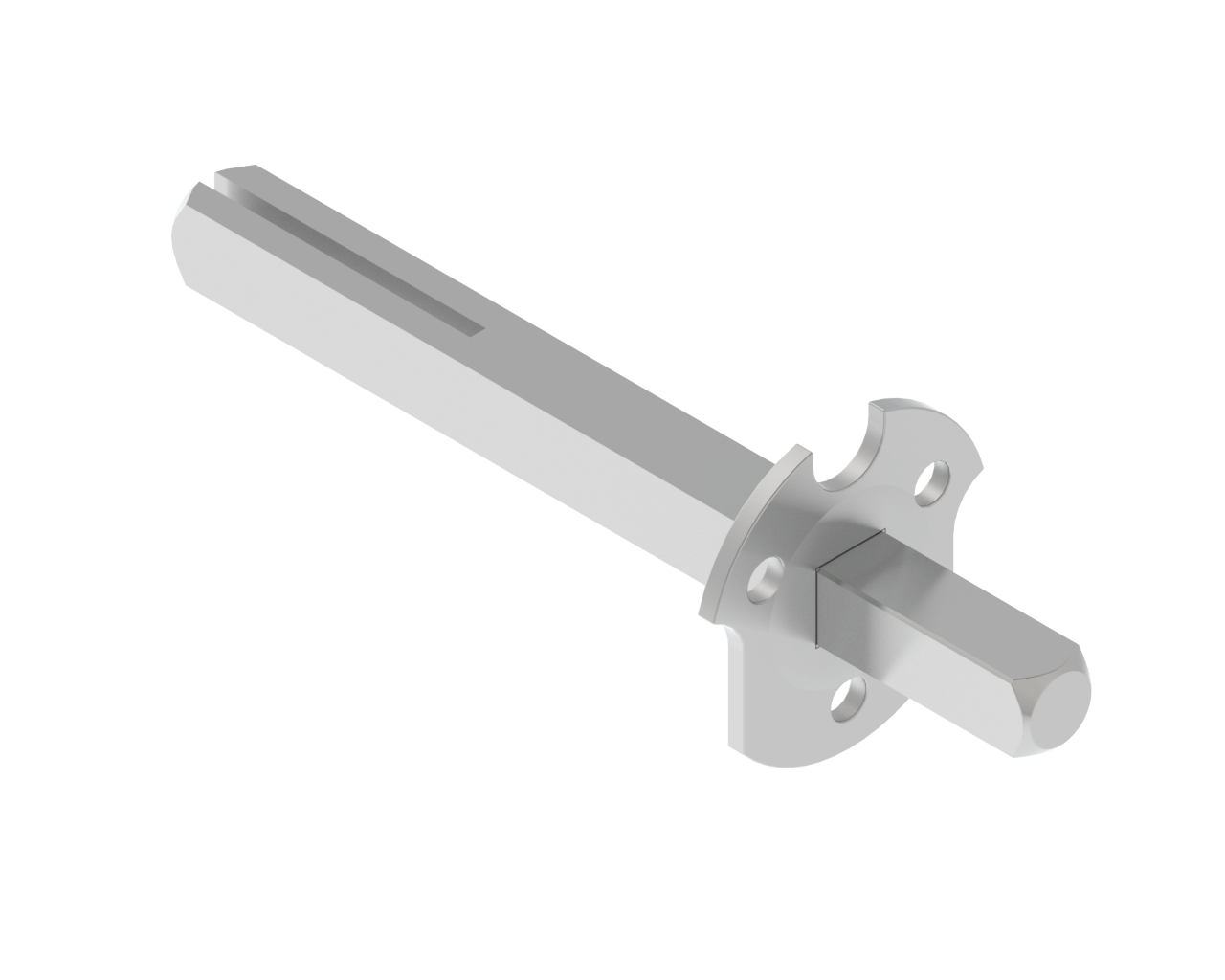
Zink square spindle for entry door system – VIS system
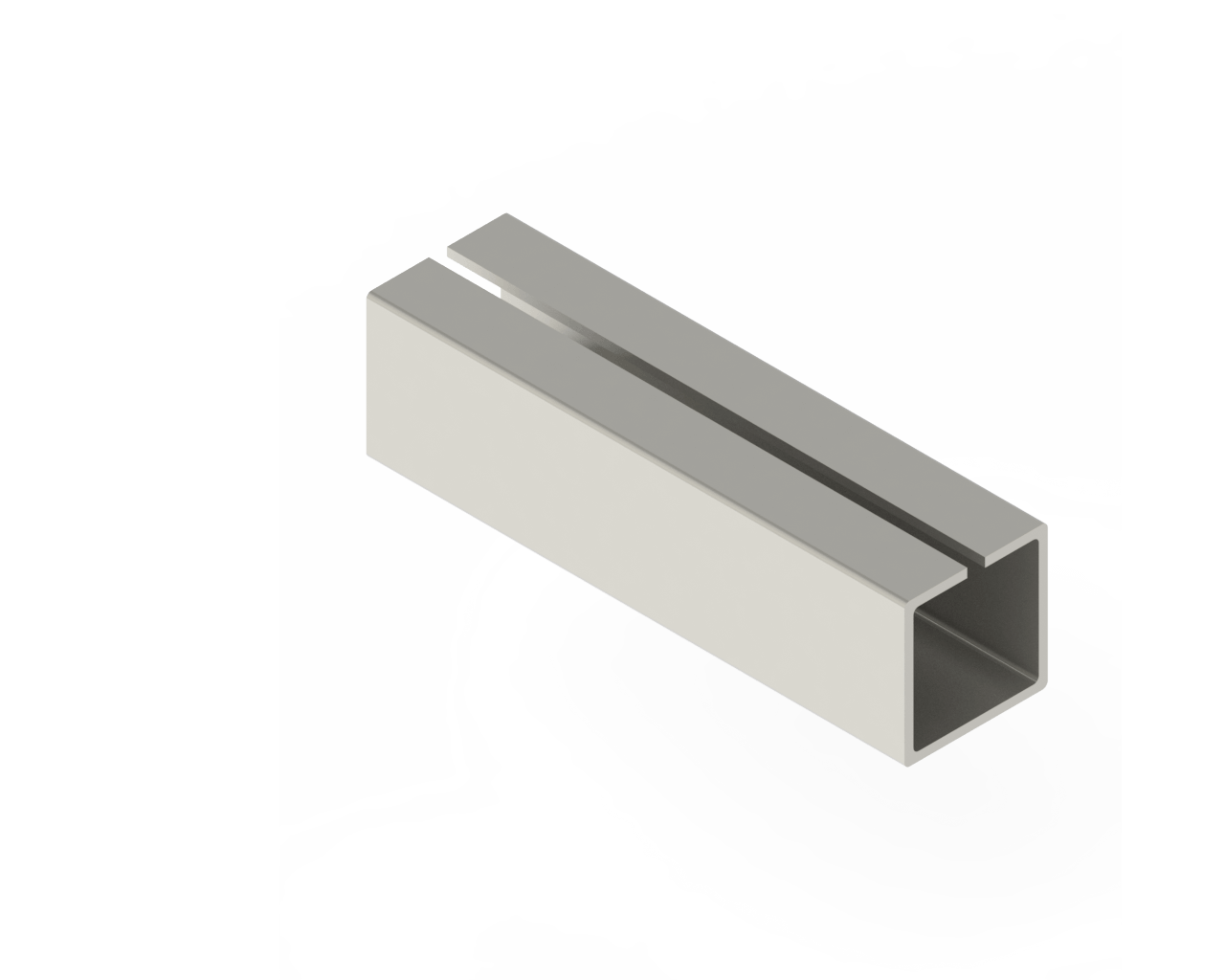
Iron squared
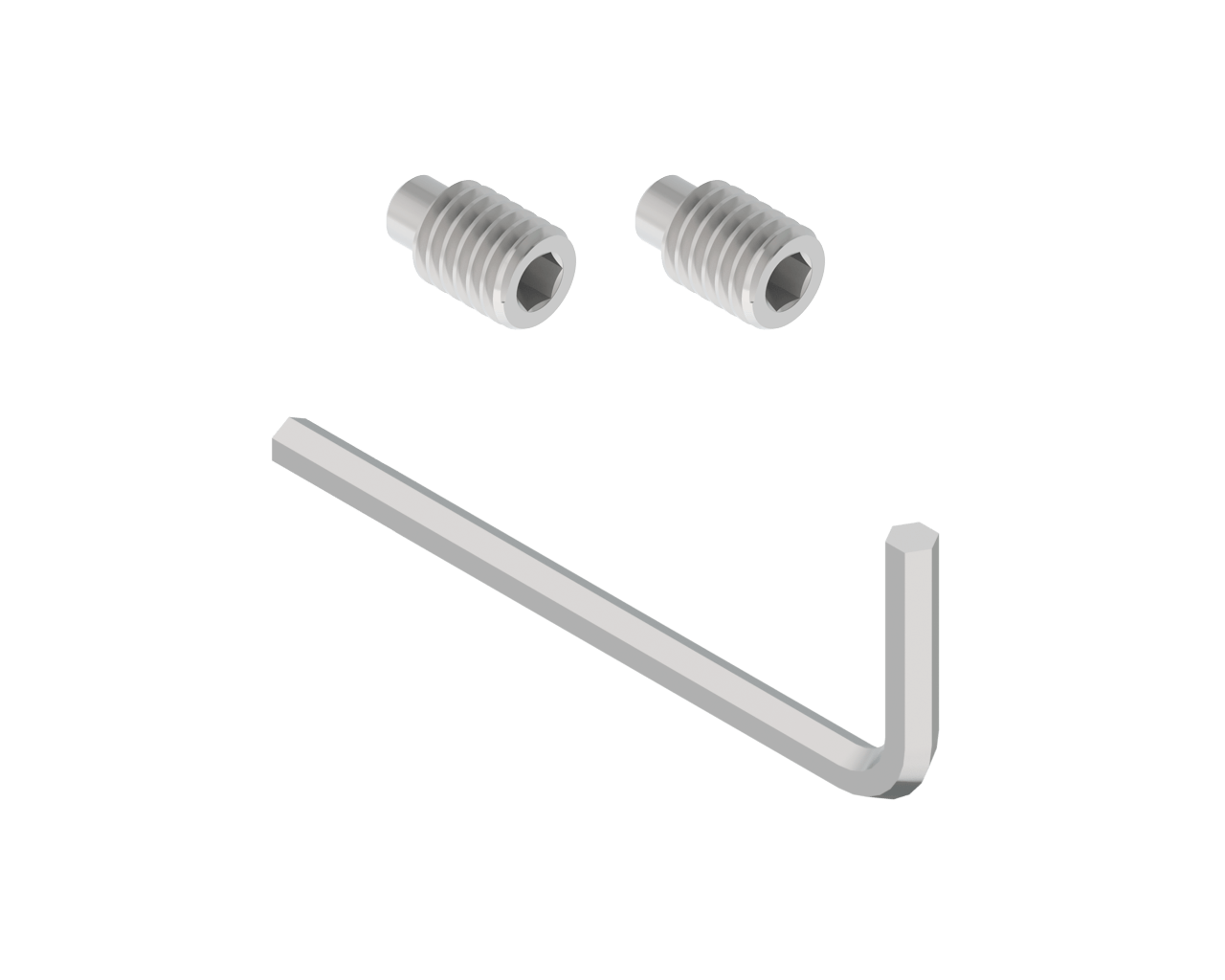
2 grubs set + allen key 3 mm
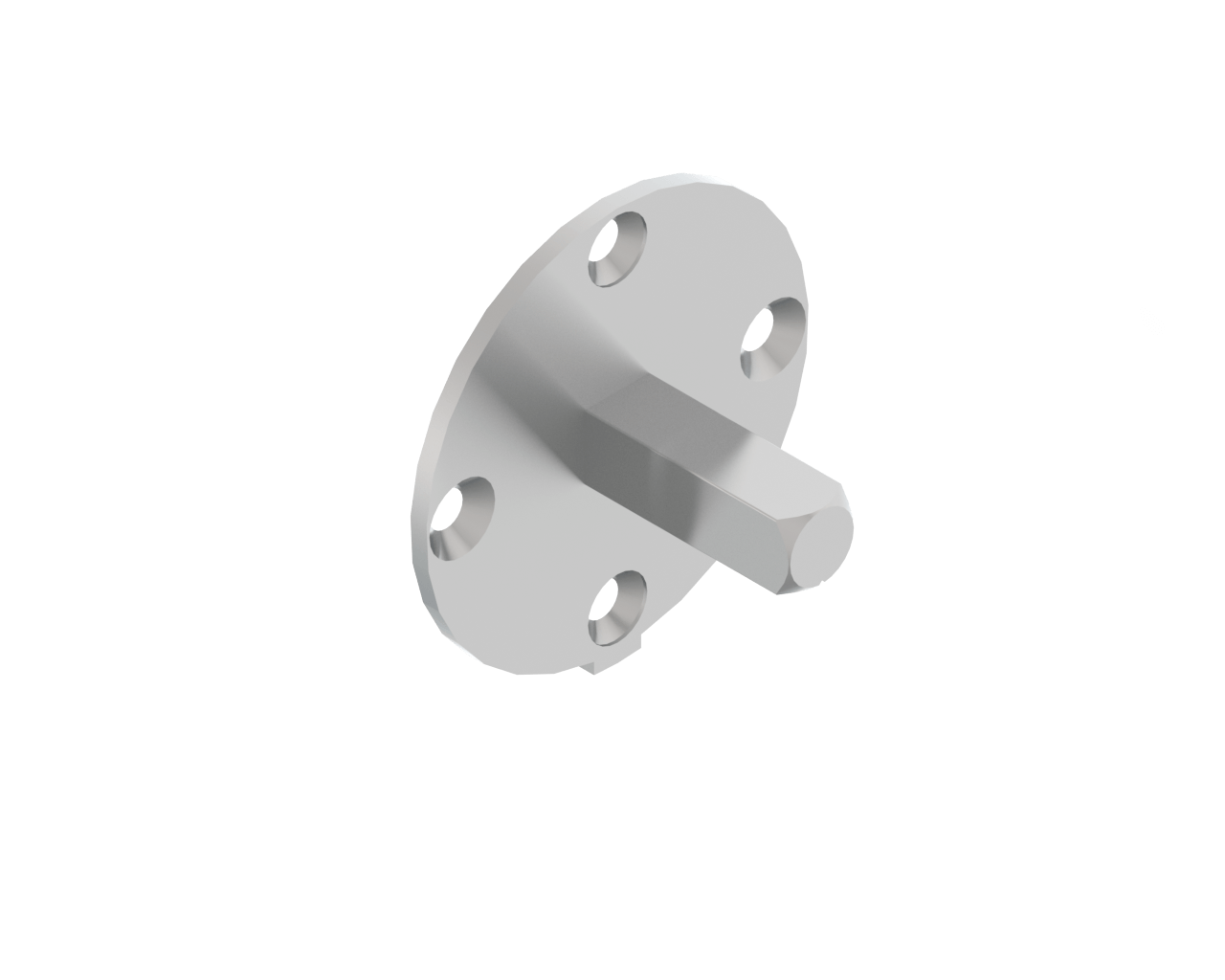
Fixing base with 〼 8 mm square spindle – FINE system
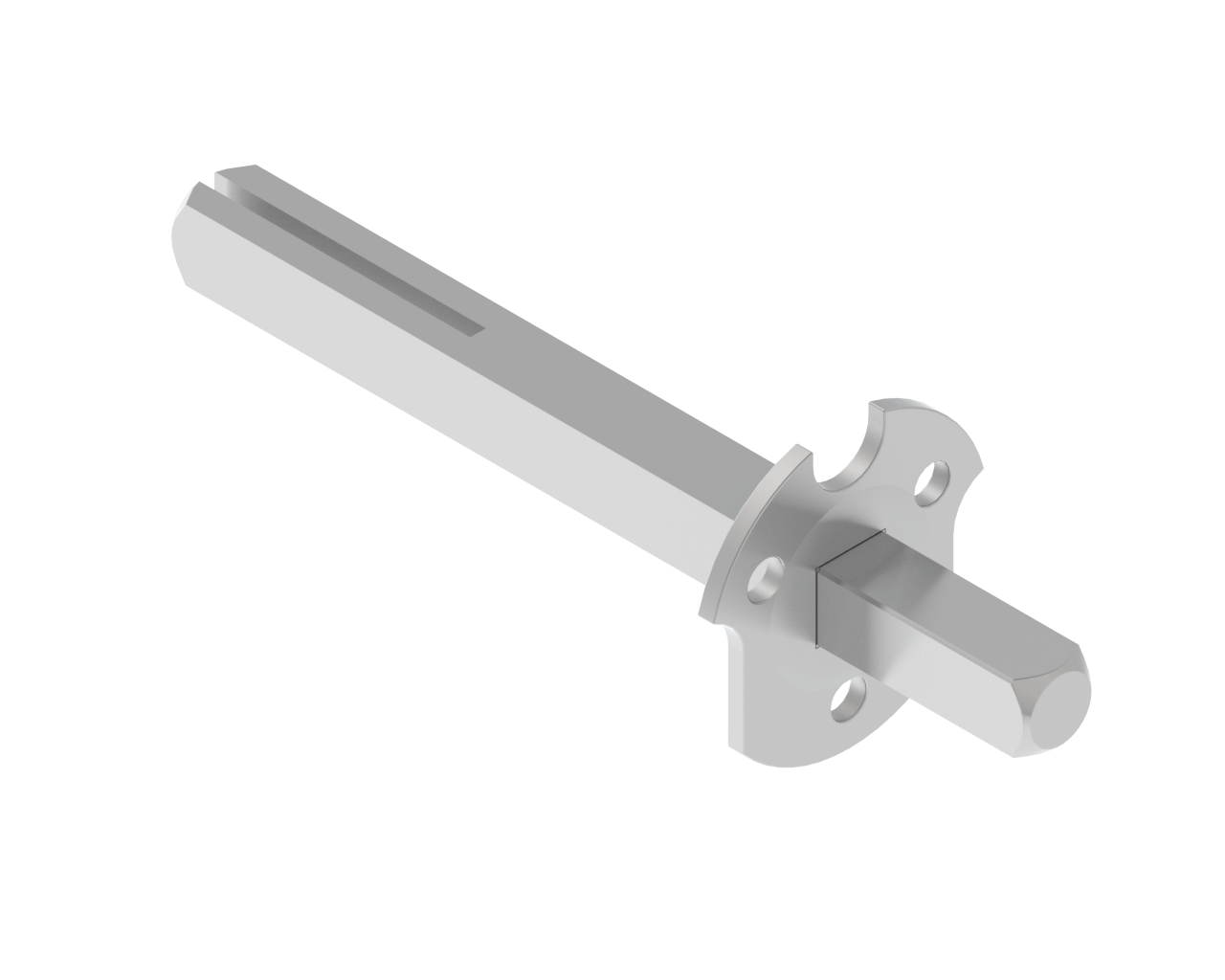
Zink square spindle for entry door system – FINE system
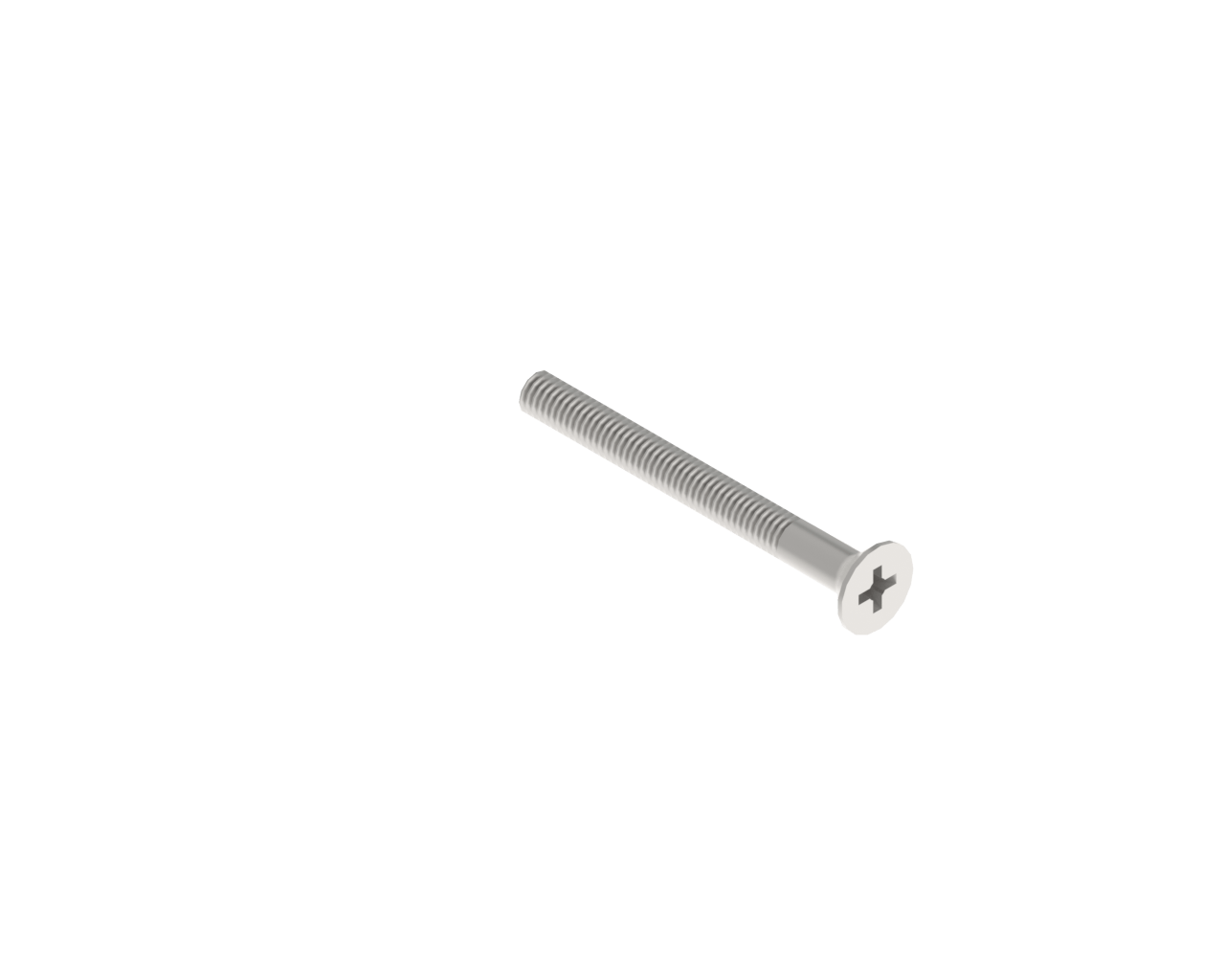
Set 2 screws for DK
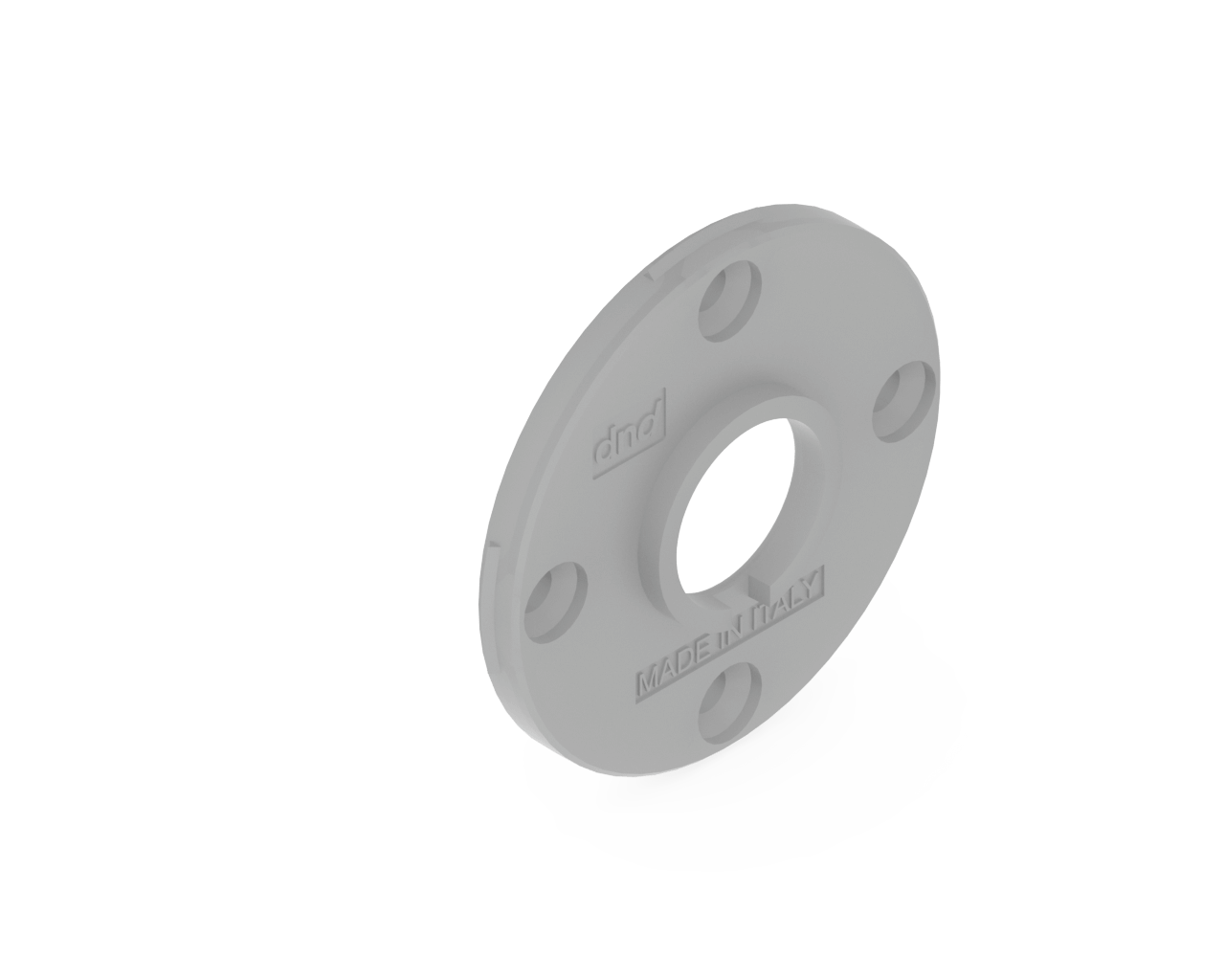
Adaptor for fixing base – VIS system